Share
By Ayella
No one takes their own life out of love—not for God, not for country, and not even for family. Even the Muslim jihadists who strap bombs to their chests are not dying because of an overwhelming devotion to Allah. Rather, they resort to suicide bombings because they lack the military power and technological capacity to fight their enemies in conventional ways. Their so-called sacrifice is, in reality, an act born of despair and desperation.
This is the uncomfortable truth about suicide: it is never about love, but about hopelessness. Despair is the underlying current that drives people to the edge, regardless of the form it takes—religious fanaticism, crushing anxiety, unrequited love, loneliness, or hatred. Suicide is not an expression of love or courage; it is the consequence of seeing no psychological escape from one’s situation.
Paradoxically, what society often condemns—addiction—can sometimes be the very thing that keeps a person alive. Addictions, whether to substances, habits, or even work, are forms of escape from life’s unbearable weight. They create an alternative outlet when despair closes in. A person drowning in loneliness may find temporary relief in alcohol. Someone suffocated by fear may cling to drugs. Another may lose themselves in endless work, meditation, or spiritual rituals. While these patterns can be destructive if unchecked, they serve a purpose: they help people cope with existence.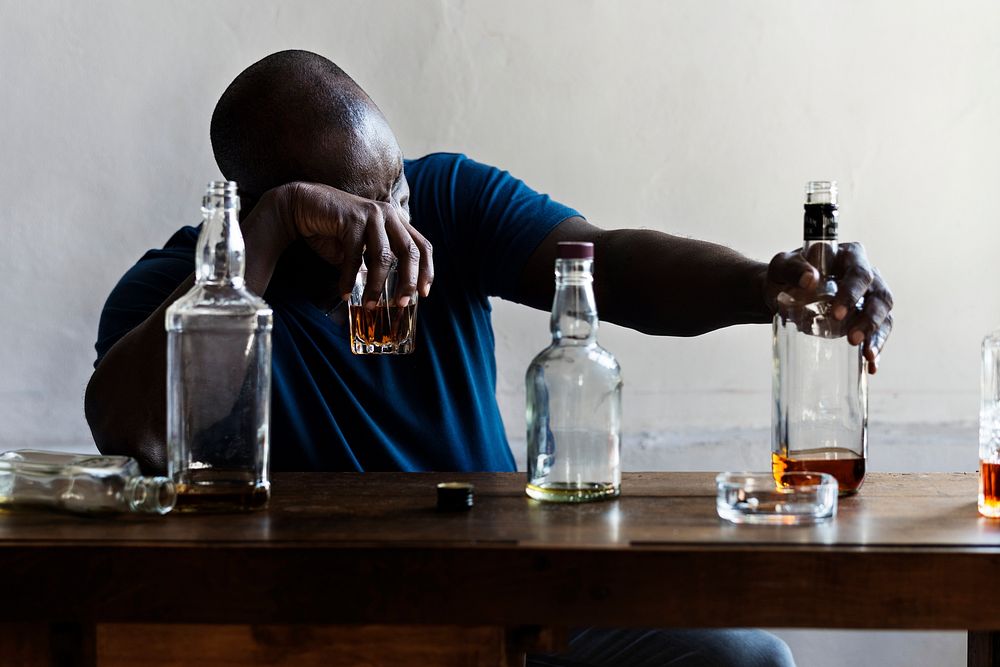
Addiction may not be the best answer—but for some, it could the only one keeping them alive
In truth, almost everything we humans do is a kind of escape. From binge-watching television, to praying, to exercising, to endlessly scrolling on social media—we are all, in one way or another, seeking distraction from the void that life sometimes presents. Addiction, then, is not an anomaly of human behavior but an extreme form of a universal tendency.
This does not mean addiction is harmless or should be encouraged. Addiction can kill, and it destroys families, friendships, and futures. But perhaps it should not always be met first with condemnation. The person addicted to alcohol or drugs may not simply be “weak” or “immoral”—they may be clinging to the only thing that stands between them and suicide.
The next time we encounter someone battling addiction, we would do well to pause before judging. Behind that habit may lie a desperate attempt to survive in a world that feels unbearable. Addiction may not be the best answer—but for some, it is the only one keeping them alive.
Torch Media Africa



