Share
By Ayella
Poverty is more than the absence of wealth—it is the presence of fear.
A man may toil and earn, yet still fastens a padlock on his fridge—not because he has plenty, but because he dreads loss. Another may buy a fine phone, yet hides its beauty beneath a bulky guard, trading elegance for the illusion of safety. Scarcity whispers that nothing is ever enough. It teaches us to preserve so fiercely that we forget to partake—to shield possessions so tightly that their joy is smothered.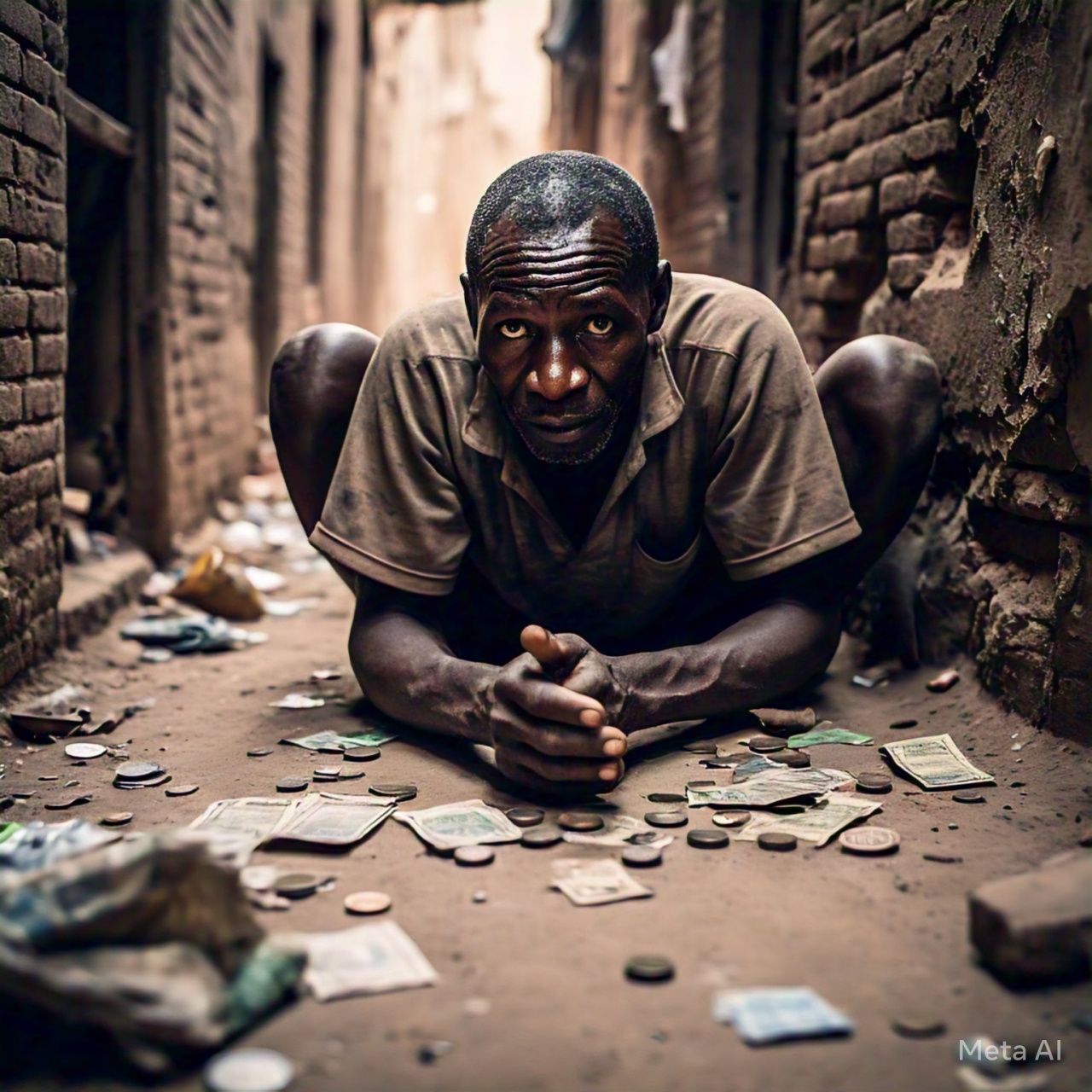
In poorer nations, doors are barricaded, gates are layered with locks, and food is rationed even in times of abundance. Security becomes a second skin; suspicion, a way of life. But in wealthier societies, doors are left ajar, fridges stand open without chains, and possessions are used freely and without fear.
The difference is not merely in material wealth, but in the psychology it breeds. Poverty plants anxiety; prosperity nurtures trust. One lives guarded, the other open.
Perhaps this explains why deeply religious monks choose lives of poverty and chastity—not because they lack alternatives, but because in renouncing possessions, they also renounce the fear of losing them. To own nothing is, paradoxically, to be freer than the man who owns much but lives haunted by the shadow of loss.
The deepest wound of poverty, therefore, is not the emptiness of the hand, but the captivity of the heart—a heart that cannot rest, that consumes even its own joys with suspicion.
True freedom may not lie in what we possess, but in how lightly we can hold it.
The writer is a social comentator



