Written By | Staff Writer
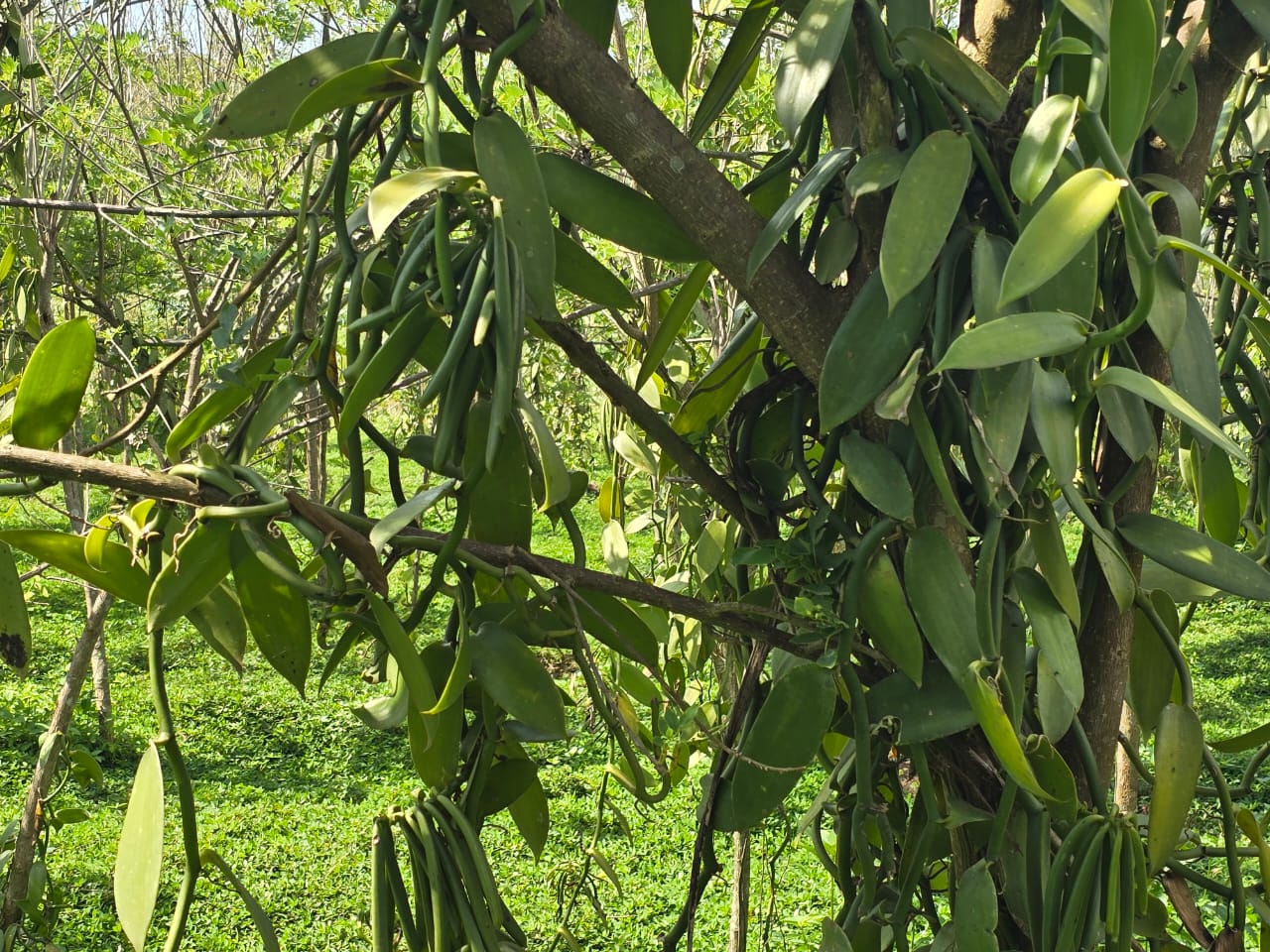
Uganda grows some of the world's most vanillin-rich beans and sits second only to Madagascar on volume, yet exports fell from 603 tonnes to about 455 and earnings dropped by roughly a quarter.
Agriculture Desk
At Enimiro Uganda's processing plant in Kayunga last weekend, the company crowned Sulaiman Kisuze the best vanilla farmer of 2026. The ceremony was meant to motivate growers. It also took place against a sobering backdrop. According to figures reported by Nile Post on 17 October, Uganda's vanilla exports fell from 603 metric tonnes in 2024 to about 455 tonnes last year, while earnings slid from about $21.9 million to roughly $16.19 million. For a country described as the world's second-largest producer after Madagascar, that is an awkward direction of travel.
Barbara Komushaago, the Ministry of Agriculture's vanilla focal person, told the event that Uganda could become a leading player if farmers expand their plantations, and attributed the decline to climate change, price fluctuations and theft. Kisuze's award, and the officials' optimism, sit alongside a farm-gate price the report put at about Shs20,000 per kilogram, which it described as low. The paradox is the story of vanilla in Uganda: a crop with real quality credentials and strong foreign demand that keeps failing the people who grow it.
A quality product, a thin margin
Uganda's selling points are genuine. The Nile Post report says the country's vanillin content is above 4 percent and that the Sustainable Vanilla Initiative rates Ugandan beans 4.5 out of 5. The crop is grown in 37 districts. Sam Himstedt, an international vanilla specialist and Enimiro board member, said interest is coming from the United States, Europe and Japan. Gael Lescornec, the initiative's executive director, advised farmers to diversify when prices are low but not to abandon vanilla altogether.
Enimiro itself buys up to 250 tonnes per season from farmers in 24 districts and hopes to reach 500 tonnes. Its chief operations officer, Melindar Atuhaire, acknowledged that the price is still low but said the company is working with government and other stakeholders to secure better prices. That is not a promise of a number, and farmers will have noticed.
Compare this with earlier prices. In August 2022 the Monitor reported vanilla selling at about Shs50,000 per kilogram, a price flat for a year after falling from Shs200,000 according to processor Aga Sekalala Senior. In Mukono prices ranged from Shs25,000 to Shs40,000. By January 2024, farmers in Rubirizi District were protesting after prices fell, by their account, from Shs30,000 to between Shs2,000 and Shs5,000 per kilogram, according to Food Business Africa. Today's Shs20,000 is an improvement on the worst of that crash, but far below the peak that drew many growers in.
The boom-and-bust cycle
Vanilla is a cruel crop for the unprepared. It takes years to establish, demands hand pollination and careful curing, and is extremely attractive to thieves when prices are high. In 2022, the Monitor reported that farmers in Mukono were paying about Shs800,000 per six-month season for private guards, with armed guards costing Shs300,000 to Shs350,000 per month and at least two needed per acre. Some farmers harvested before the official start date to avoid theft, and sold immature beans, which damages quality and, in turn, the buyer's trust.
The government's answer, announced in December 2023 by State Minister for Agriculture Bwino Kyakulaga, was to set an official harvest window, running from 5 January to 5 April for the 2024 season. The aim, he said, was to make theft harder, keep quality consistent for export, restore Uganda's reputation and give farmers fairer margins. The rule has not been popular everywhere. In the same January 2024 protests, Ntoroko farmer Rodgers Kule blamed an unfavourable ministry-set date for losses when crops rotted before picking. This month, Ibanda farmer Benon Abaine repeated the criticism: every part of the country has a different season, he said, and you cannot set a fixed date for vanilla harvesting.
There is a tension in the policy that officials will have to resolve. A single national window simplifies enforcement and protects against green-bean theft, but vanilla ripens at different times across districts with different rainfall patterns. The ministry's decision to vary dates by region in previous seasons reflects this, yet farmers still feel the calendar is imposed rather than negotiated.
Why exports are falling
The ministry's three explanations, climate, price volatility and theft, are plausible and interlinked. Climate change shifts flowering and fruit set, making yields harder to predict. Price volatility discourages investment in the care that vanilla needs, and the cycle of low prices then leads to neglected vines and farmers switching to cocoa or other crops. When Margret Biira of Rubirizi harvested under 100 kilograms from 2,500 plants after spending about Shs4.5 million, she told reporters she planned to move to cocoa, which then fetched about Shs11,000 per kilogram. Theft pushes growers to harvest early, reducing quality and eroding the premium that Ugandan vanilla could otherwise command.
The export fall of about 25 percent by volume and a bit more by value is therefore less a collapse in global demand than a supply-side wobble in Uganda: fewer, less confident growers and lower-quality beans.
Success stories show the margin
Not everyone is losing. Abaine, who began growing vanilla three years ago, harvested about 600 kilograms in his first season and one tonne in the next, earning about Shs20 million. His case suggests that where farmers manage curing and sell into organised buyers rather than roadside dealers, the crop can still be a powerful income source. Henry Kimera, a Kyotera farmer interviewed by the Monitor in 2022, similarly said vanilla still earns more than cash crops like coffee.
The difference between farmers like Abaine and those who abandoned plantations is largely access to a reliable buyer, secure storage and the patience to wait for fully mature beans. That is why contract-based models, such as Enimiro's purchases across 24 districts, matter more than exhortations to plant more.
What would change the picture
Four developments would do more than another appeal to expand acreage. The first is transparent price discovery: a published weekly farm-gate and export reference price, so farmers can see whether Shs20,000 reflects world markets or buyer power. The second is secure curing and storage at parish or cooperative level, which converts a theft-prone crop into a stored asset. The third is flexibility on harvest dates, with district committees agreeing windows based on maturity checks, not calendar dates. The fourth is traceability, which buyers in Europe and Japan increasingly demand and which can justify a premium for Ugandan beans with the vanillin content the Sustainable Vanilla Initiative rates so highly.
Madagascar's dominance means that global vanilla prices will always be shaped by cyclones and stock levels far from Uganda. But the country's strengths, a high vanillin content, many growing districts and growing buyer interest, are real. The question for 2027 is whether the ministry and processors can turn those advantages into a stable price floor and a reputation for reliability, or whether the next bad season will push another wave of farmers back to coffee, cocoa and maize.
For the farmer in Kayunga or Ibanda deciding whether to plant another acre, the message from the awards ceremony is clear: demand exists, quality is recognised, and the best growers earn well. The message from the export figures is just as clear: until the cycle of theft, low prices and uncertainty is broken, Uganda will remain the world's second-biggest vanilla producer on paper while its exports shrink in practice.



