Written By | Staff Writer
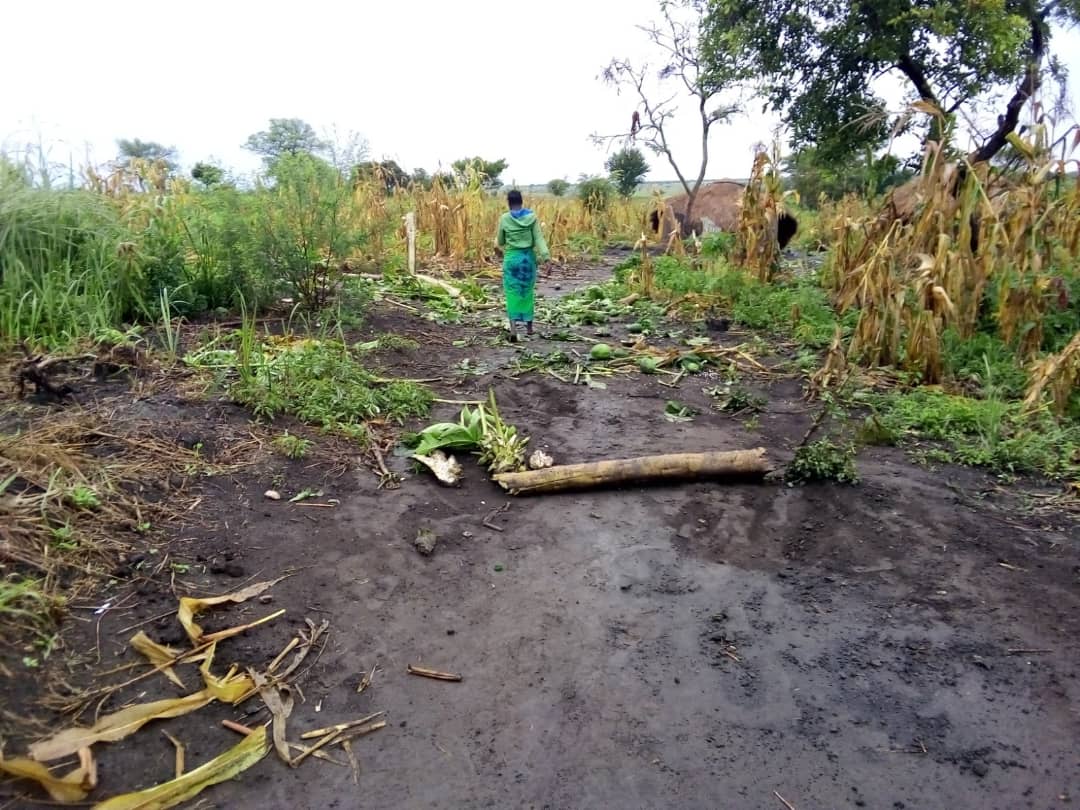
Residents of Lapono and Lukole say 207 cattle have been stolen and elephants are flattening gardens, while the question of whether anyone will be compensated remains unanswered.
Uganda Agriculture
'We are under siege'
In Agago District, in northern Uganda, an elder described his community's situation to Nile Post this month in four words: 'We are under siege.' The report, published on 14 October, describes two simultaneous pressures on the same households. Elephants believed to have strayed from Kidepo Valley National Park are flattening maize and sorghum gardens, and suspected cattle raiders are driving off herds, in some cases, residents say, from kraals that were meant to be protected.
The numbers in the report are specific. More than 107 cattle were taken from Kipaka and Ogwal Kamolo villages in Ogole Parish, Lapono Sub-county, over two weeks. About 100 more were driven away from Kaket, Bwol and Kiwaro parishes in Lukole Sub-county. Together, 207 animals. Paimol, Adilang, Lukole and Lapono are described as the worst-affected areas, and local leaders told the reporter that hundreds of households are now food insecure, with malnutrition cases rising at health facilities and school attendance falling.
Rose Awor, a mother in Adilang, put the economic logic of the loss simply: 'They took our cows at gunpoint. Now we have no milk, no bulls for ploughing, no money for school fees.' In a farming system that depends on animal traction, a stolen bull is not only lost capital. It is a lost planting season.
Two threats, one household budget
It is tempting to treat cattle raiding and crop-raiding wildlife as separate security and conservation stories. For a family in Lapono they are a single budget problem. A smallholder household in this part of Acholi typically relies on a few crops for food and a few animals for cash, traction and milk. When elephants take the crop, the family sells animals to buy food. When raiders take the animals, the family has to plant more crops, with less traction, to replace the lost income. The two shocks compound.
Agago's pattern is not new. A 2013 Uganda Radio Network report described about ten elephants crossing from Kidepo into Karenga and Alormar villages in Lapono and destroying crops in a single week, with local officials accusing wildlife authorities of being reluctant to chase them off. By November 2023, according to a Plus News and URN report from February 2024, district leaders had given the Uganda Wildlife Authority (UWA) a two-week ultimatum to stop elephants and buffalo leaving the park, and district production statistics estimated about 5,000 acres of cassava destroyed in 2022 and 2023. The 2026 report says elephant incursions have become more frequent over the past three months and that residents still bang jerrycans at night to scare animals away.
What has changed is the layering. The 2024 coverage already showed that crop losses were feeding into debt, with PDM beneficiaries in Agago struggling to repay because wildlife had eaten their gardens. A farmer interviewed then, Margaret Akot of Kaket, had spent at least Shs800,000 planting and weeding two acres of cassava that elephants destroyed. Her neighbours' complaint, voiced by village chairperson Kasita Oceng, was that the animals that destroyed their crops also belong to the government, and yet it was the farmers who would face penalties for non-repayment.
The compensation gap
Residents' fourth request in the October report is the most telling: they want government to clarify whether compensation is available for wildlife-destroyed crops and how families can apply. That a community that has lived with elephants for over a decade still does not know the answer says a lot about how the system has been communicated.
The legal framework exists. The Uganda Wildlife Act, 2019, provides in Section 83 for a compensation scheme, and regulations were gazetted in August 2022. At the time, Minister of Tourism, Wildlife and Antiquities Tom Butime told Parliament that the scheme covers claims for human death, injury or damage to property caused by wild animals outside protected areas, and that UWA had set aside two per cent of its revenue, which had accumulated to over Shs900 million, to seed a Wildlife Fund that was to begin compensating from 1 October 2022. The report of that statement did not spell out crops in the scheme's text, although the complaint that triggered it, from a Namayingo MP, concerned hippos destroying crops.
Claimants in Agago have faced a procedural wall. In the 2024 reporting, the acting officer in charge of crop-destruction compensation, Joseph Okello, said the lists forwarded from Lapono lacked police reference numbers, dates, crop types and acreage, and asked the district agricultural officer for detailed reports before forwarding claims to a verification team in Kampala. A smallholder who lost two acres of cassava at night, with no extension officer present, is unlikely to produce that paperwork. In practice, a scheme that demands forensic documentation of a night-time crop raid is a scheme most farmers will never use.
I could not establish from available reporting whether any crop-damage claims from Agago have been paid since the Wildlife Fund was to begin operating. That absence of public information is itself part of the problem.
The economics of prevention
The alternatives to compensation are physical barriers and early warning. Residents have asked for more UWA rangers and buffer trenches. Trenches and fences are expensive per kilometre and require maintenance, but they are cheaper than repeated relief food. Elsewhere in Uganda, communities near Murchison Falls and Queen Elizabeth national parks have debated the same trade-offs for years, and Parliament has repeatedly heard calls for compensation and mitigation funding.
A pragmatic package for Agago would combine three elements. A rapid-response ranger post within reach of Lapono and Lukole, resourced with vehicles and fuel, would address the grievance that UWA does not respond when called. A farmer-friendly compensation claims procedure, with village-level verification by local councils and extension staff and a simple form, would replace the current paperwork barrier. And protected overnight kraals with community-managed security, backed by UPDF and police patrols along the Karamoja border, would address the raiding.
None of this is cheap, and the north has other competing demands. The Karamoja region is already on the national agenda: the Integrated Food Security Phase Classification in August found 473,000 people in acute food insecurity across districts such as Kaabong, Kotido and Moroto, and President Museveni set out a three-phase Karamoja strategy in early September. Agago borders that territory, and conditions in Karamoja influence both where raiders move and where hungry wildlife and people compete for water and forage in a dry season.
Why this matters beyond Agago
The immediate stakes are food security heading into the second season. With the second-season rains arriving, a household in Lapono that has just lost its cattle and its gardens has no obvious way to plant. Sorghum and maize are the staple crops; if they are lost, hunger follows a few months later, which is what residents told the reporter.
The wider economic stake is the credibility of rural-finance programmes. Government wants farmers to borrow through PDM and Emyooga and to repay. Where the loss is caused by state-owned wildlife and by insecurity along an international and internal border, repayment pressure looks unfair to borrowers and collections officers alike. Any serious recovery drive should include a hardship mechanism for documented wildlife losses, or the pressure will fall on exactly the households least able to bear it.
Finally, there is a political point. Residents are not asking for charity. They are asking for three things: protection, a fair claims route, and an answer. Providing clear answers to the last would cost the state nothing.



