Written By | Staff Writer
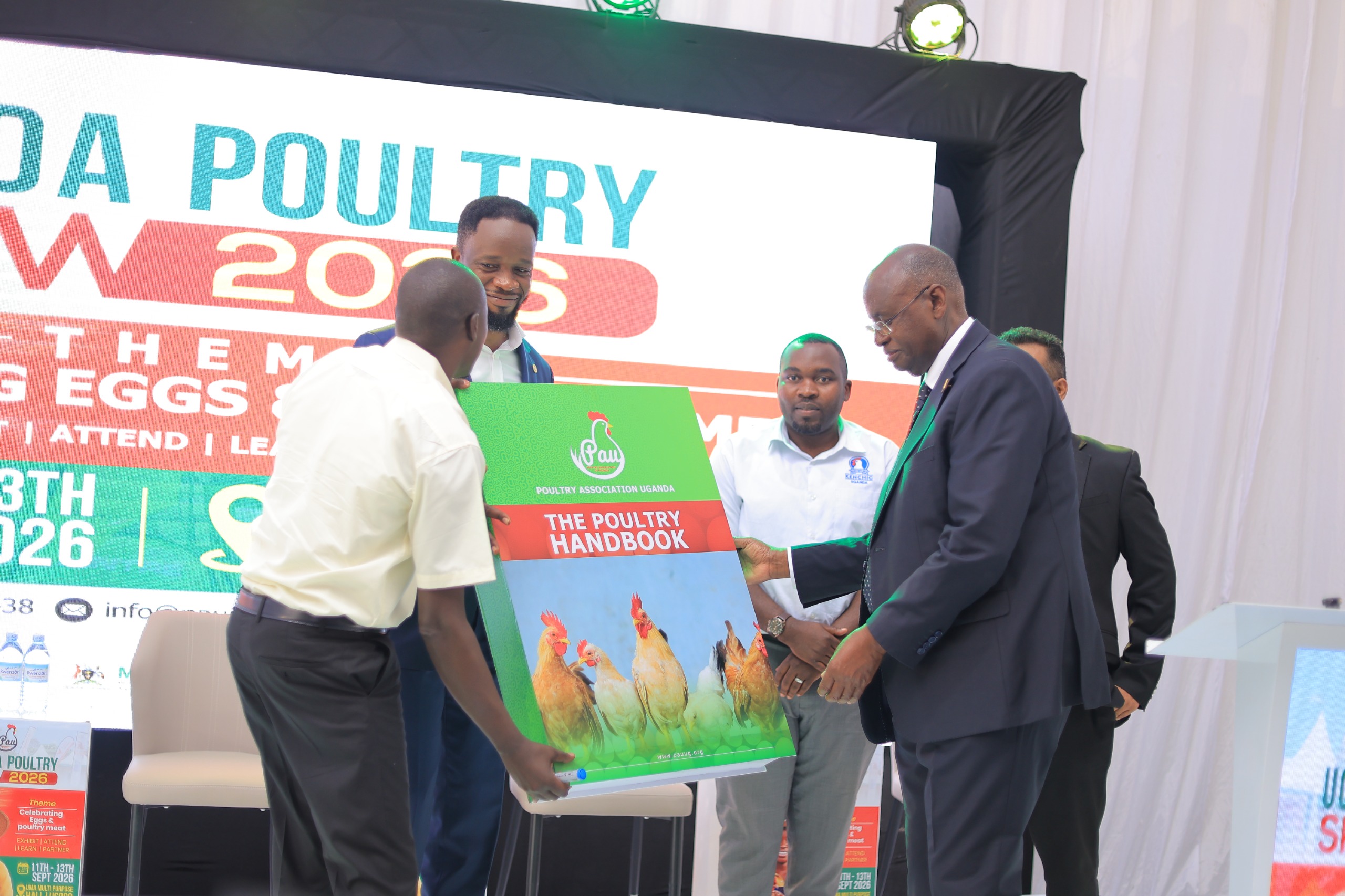
The country's first national poultry show opened in Kampala this week to celebrate a flock of up to 120 million birds.
Feature
When the inaugural Uganda Poultry Show 2026 opened on Friday at the Uganda Manufacturers Association Multipurpose Hall in Lugogo, Kampala, the theme printed on the banners was celebratory: "Celebration of Eggs and Poultry Meat." The message from the podium was rather less so. Peter Ssenkungu, chairman of the Poultry Association of Uganda (PAU), used the launch to tell farmers, feed millers, breeders and government officials that the industry they had gathered to showcase is now expanding faster than the country can grow the grain to sustain it.
Maize is the major source of energy in poultry feed, Ssenkungu said, while soya supplies the protein birds need for growth and productivity. Slow growth in the production of both crops, he argued, has left the feed industry undersupplied and pushed prices up, raising the cost of production for every commercial farmer in the country. Inadequate domestic supply, he added, has forced feed manufacturers to source maize and soya from other countries, exposing the sector to price and quality risks it cannot control.
It is not a small industry making the complaint. Bright Rwamirama, the Minister of State for Animal Industry, told the gathering that Uganda has an estimated 100 million to 120 million birds when commercial and backyard flocks are counted together, a population he said demonstrates the sector’s weight in employment, household incomes and national food security. He said government remains committed to creating a conducive environment for investment in poultry production and related industries, and that Uganda has made progress in cutting its dependence on imported poultry feeds, with feed imports having declined significantly.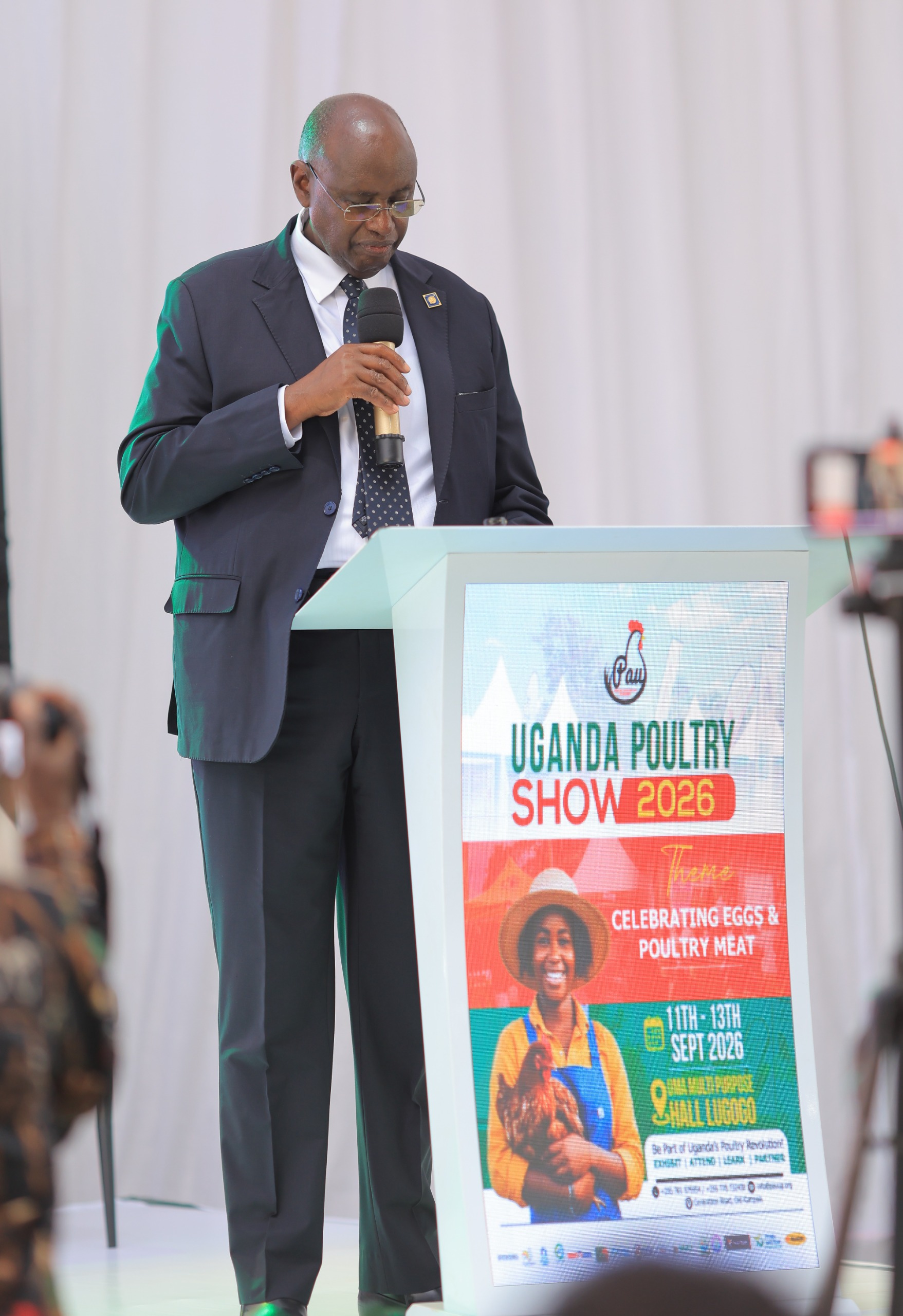
Bright Rwamirama
Why feed is effectively the whole business
The reason a feed-ingredient shortage lands so hard on poultry, and not equally on coffee or cocoa, is arithmetic. In most Ugandan broiler and layer budgets, feed accounts for roughly 70 to 80 per cent of total production costs. A ten per cent movement in the price of maize or soya therefore moves the farm-gate economics of a poultry unit almost immediately, and there is nowhere to hide it. A coffee farmer can hold parchment for a few weeks waiting for a better price; a layer flock eats every day, and a broiler batch has a fixed calendar. With a tray of thirty eggs retailing at around UGX 6,000 to 8,000 in most of 2026, the margin between a profitable and an unprofitable house is thin enough to be erased by one bad quarter in the grain market.
That bad quarter arrived this year from across the border. Kenya’s Agriculture Cabinet Secretary Mutahi Kagwe announced that Nairobi would facilitate the importation of up to 25 million bags of maize to close a looming food gap, and Kenyan buyers have been trucking directly into Ugandan collection points in Bugiri, Iganga, Mbale, Kapchorwa, Mubende and beyond. Daily Monitor reported that the resulting bidding war lifted the price of a 100kg bag in Kampala’s Kisenyi and Nakawa grain markets from a range of Shs105,000–125,000 to Shs135,000–150,000, while farm-gate prices in Mbale and Busia moved from about Shs900 to Shs1,400 a kilogramme. Feed prices rose by roughly 18 per cent on the back of it, with maize making up around 60 per cent of most formulations. Market bulletins put Kampala wholesale grain at UGX 1,300–1,350 a kilogramme in recent weeks, up from UGX 1,250 the week before.
Ugandan feed mills, in other words, are bidding for the same maize as an export market with deeper pockets and a national food emergency behind it. The Uganda Bureau of Statistics recorded headline inflation at 4.1 per cent in August 2026, with core inflation at 3.5 per cent driven in part by maize flour, cassava flour and rice — confirmation that the grain squeeze is already passing through to consumers well before it reaches the egg tray.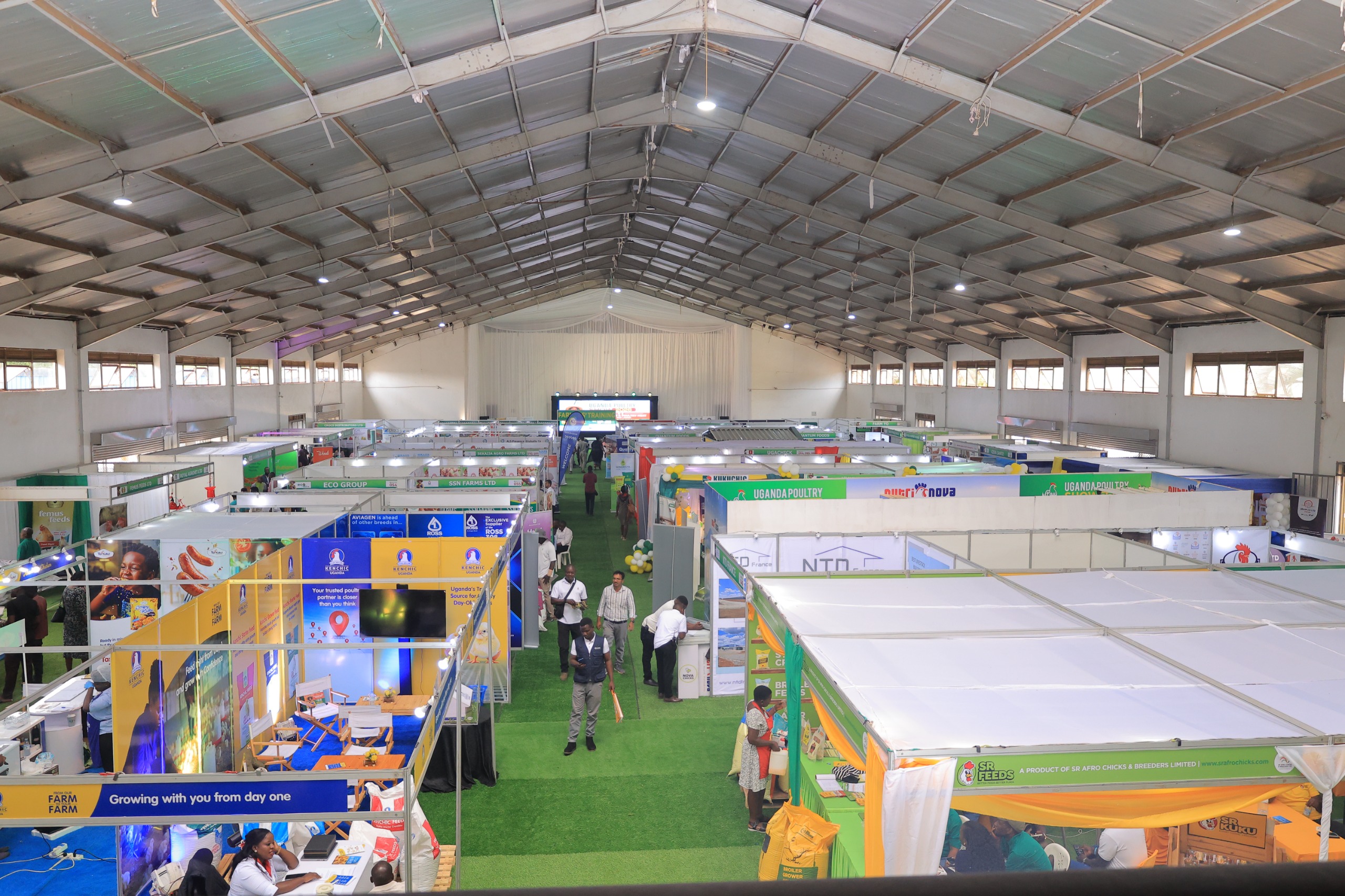
Soya’s slower arithmetic
Soya tells a quieter version of the same story. Uganda’s soybean output grew from roughly 93,000 tonnes in 2018 to about 174,000 tonnes in 2023 — genuine growth, but nowhere near the pace required to supply protein to a flock the size Rwamirama described, alongside the country’s expanding fish-farming and dairy-concentrate demand. Uganda is also a net exporter of soya, with Kenya as the dominant destination, meaning part of the domestic crop is pulled out of the country before it ever reaches a Ugandan mixer. What comes back in arrives mostly from Tanzania, which supplied about 72 per cent of Uganda’s maize imports between 2020 and 2024, worth roughly US$9 million in 2024 alone.
That is the uncomfortable subtext of Rwamirama’s claim that feed imports have fallen. Imports of finished, compounded feed may well be declining as local milling capacity grows — but if the raw materials fed into those mills are themselves increasingly imported or bid away by regional buyers, the import substitution is partly cosmetic. The exposure has simply moved one step up the value chain, from the feed bag to the grain silo.
The missing contract
Ssenkungu’s remedy — that Ugandans should invest in maize and soya because the poultry industry now offers a ready and growing market — is sound in principle and fragile in practice, because Uganda has no instrument that turns "a ready market" into a price a farmer can plan around. The Contract Farming Bill 2023, which would have given legal form to forward agreements between producers and processors, was introduced, reviewed and withdrawn by March 2026. Feed millers consequently buy spot, and maize growers plant on guesswork. When Kenya has a drought, as it does now, the guess pays; when Kenya has a good season, the same farmer is left holding grain at a price below the cost of drying it.
Quality compounds the problem. In late August, Bukedea County MP David Beecham Okwere told Parliament that roughly 80 per cent of cereals bought by PELA Commodities at the Soroti Industrial Park tested positive for aflatoxin, and that an aflatoxin removal machine there has sat idle since 2018. Aflatoxin in feed grain does not merely destroy export value — it moves into birds, depresses feed conversion and can carry into eggs and meat. Yet Ugandan village buying points still pay no premium for clean, properly dried grain, which removes any commercial reason for a smallholder to invest in a moisture meter or a drying slab. The Food and Agriculture Regulatory Authority Bill 2026, tabled for first reading on 25 August and now before the Committee on Agriculture, proposes a single regulator covering animal feeds among other products; whether it creates an enforceable feed-quality standard, or simply a new letterhead, is one of the more consequential questions in front of the twelfth Parliament.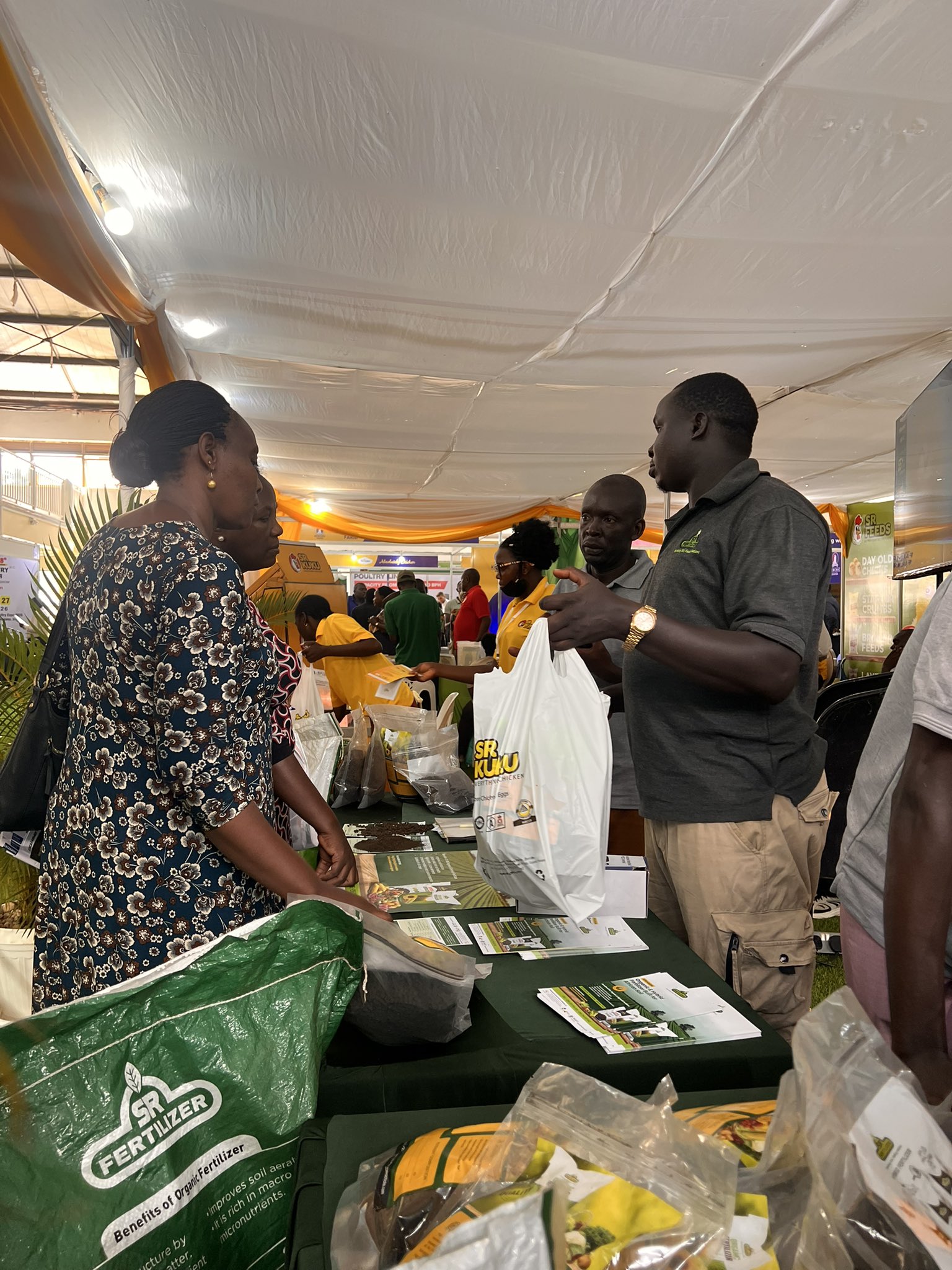
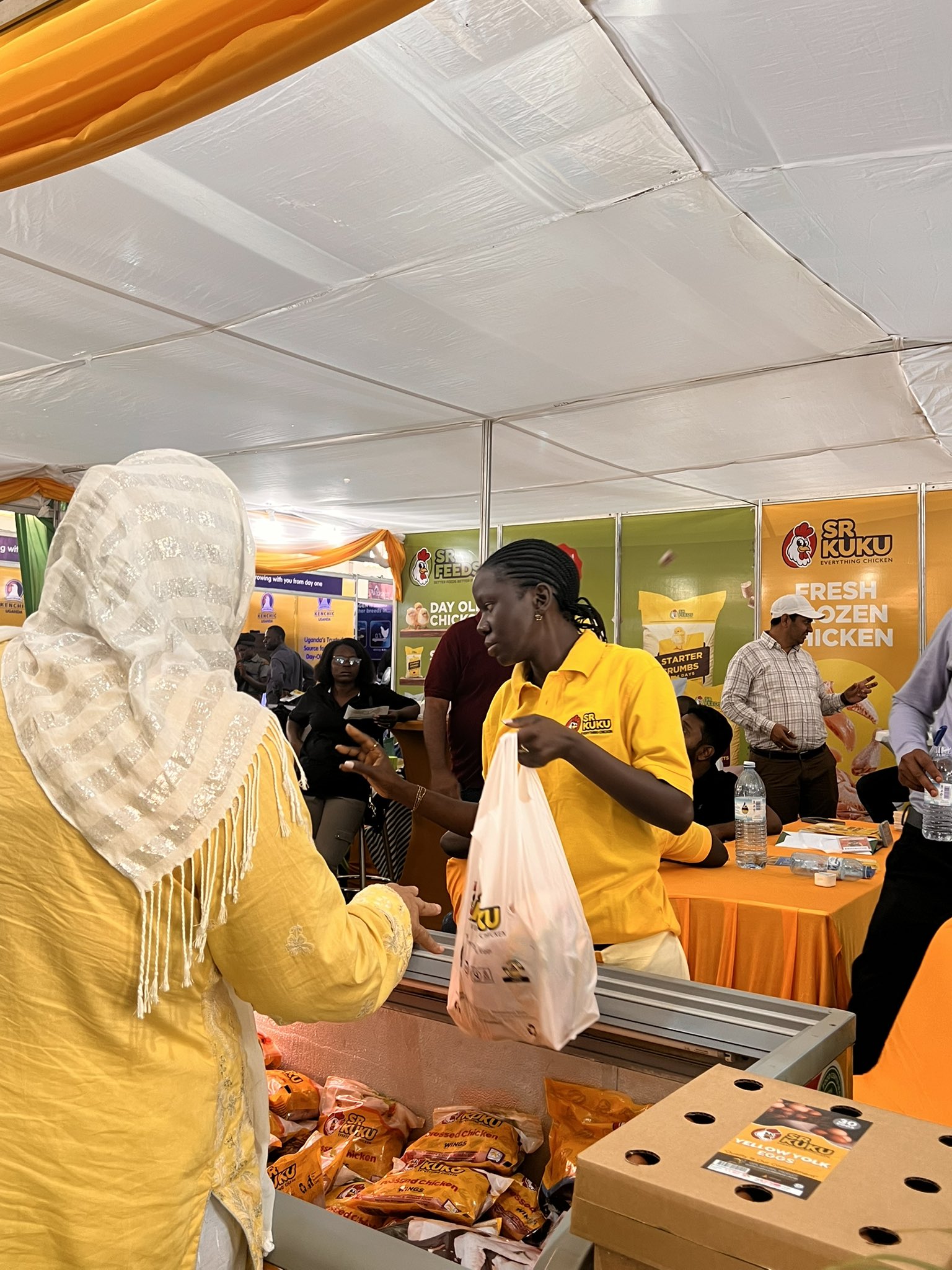
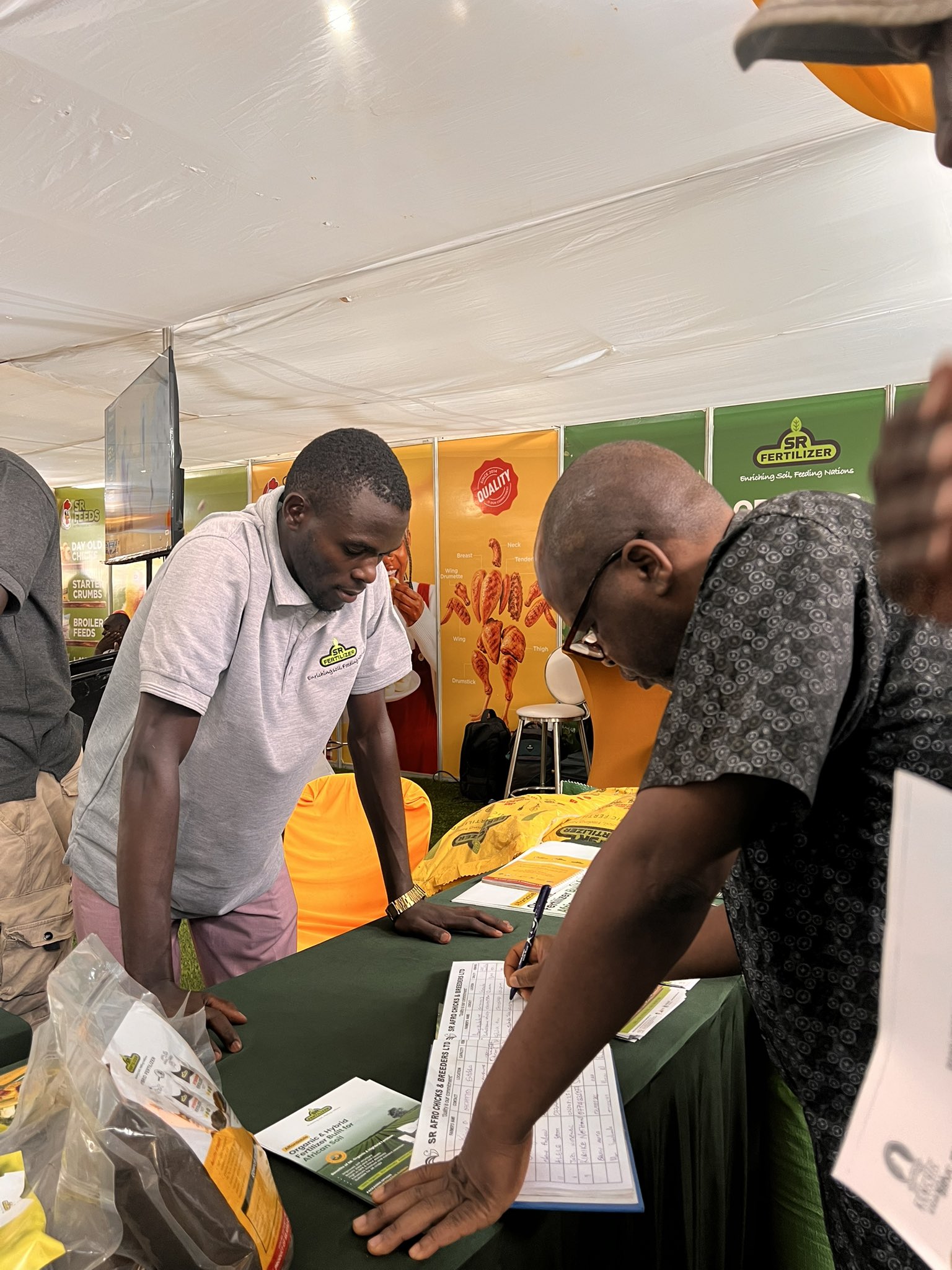
What the show is actually selling
Alongside the exhibitions, the three-day event running to Sunday has put a heavy emphasis on husbandry. Wesley Ruto, chairperson of Kukuchic and of the PAU technical committee, said the training sessions cover brooding, feed management, poultry housing, disease prevention and flock management, and argued that improving Uganda’s poultry industry should focus not only on increasing the number of birds but on improving the quality of poultry products. A Uganda Poultry Handbook was launched at the event.
That emphasis matters because the headline flock figure flatters the sector. A large share of the 100 to 120 million birds is indigenous backyard poultry that scavenges and eats kitchen residues; those birds are barely exposed to the feed market at all. The commercial segment that actually buys compounded feed is far smaller, far more capital-intensive, and is precisely the segment absorbing the full force of an 18 per cent feed-cost increase. If egg prices do not follow feed prices upward — and in a consumer market with 4.1 per cent inflation and squeezed purchasing power, they may not — the adjustment happens through exits: small layer units of 500 to 2,000 birds shutting down, and the sector concentrating into a handful of integrated operators who mill their own feed.
There is an opportunity buried in the complaint, and it is worth naming. A poultry industry of this size represents exactly the kind of guaranteed, year-round, domestic offtake that Uganda’s maize sector has never had — a buyer that does not disappear when Nairobi has a good harvest. Converting that latent demand into planted acreage, though, requires the contracting, warehousing and quality-grading architecture that the withdrawn Contract Farming Bill was meant to supply and that the Grain Council of Uganda’s proposed structured-bid warehouse system is still arguing for. The Uganda Poultry Show closes on Sunday. The harder test is whether anything said in Lugogo this week changes what goes into the ground next season.



