Written By | Staff Writer
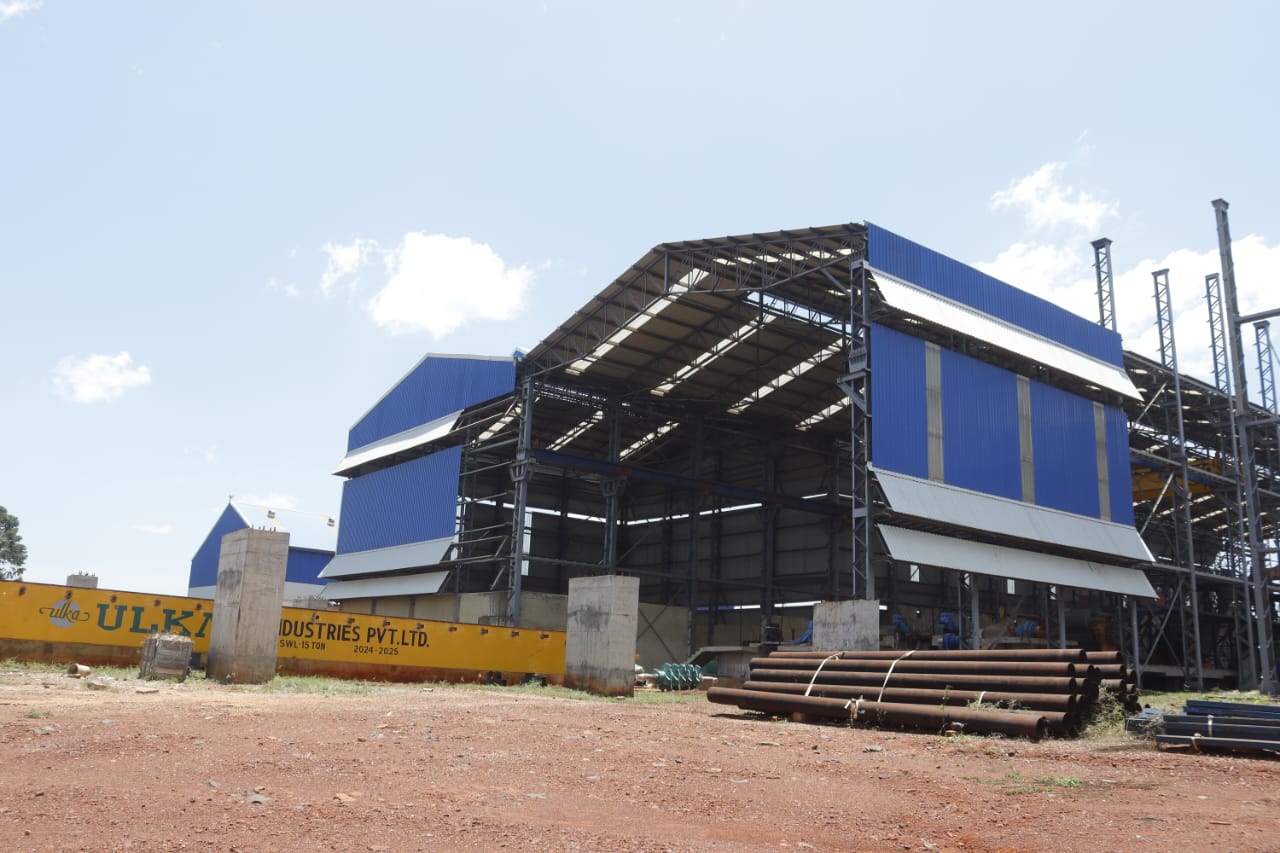
A factory the prime minister wanted open on 4 September still has no licence
Agriculture
On 2 October, sugarcane farmers in Namayingo District confronted members of the Uganda Sugar Industry Stakeholders Council who had come to inspect the long-delayed CN Sugar Company. The farmers wanted to know why a factory that has sat inactive for three years, and that the prime minister has publicly backed, still cannot get an operating licence. The council's answer, as reported by local outlet Sabasaba Updates, was that rival sugar companies have raised land-related objections. Namayingo District chairperson Ronald Sanya answered with a threat: if the licence keeps being withheld, the district will pass a resolution banning sugarcane growing altogether.
A district threatening to outlaw the crop its farmers depend on is a measure of how frustrated the community has become. It also shows how a single regulatory decision can freeze an entire local economy, with consequences well beyond one mill in Busoga.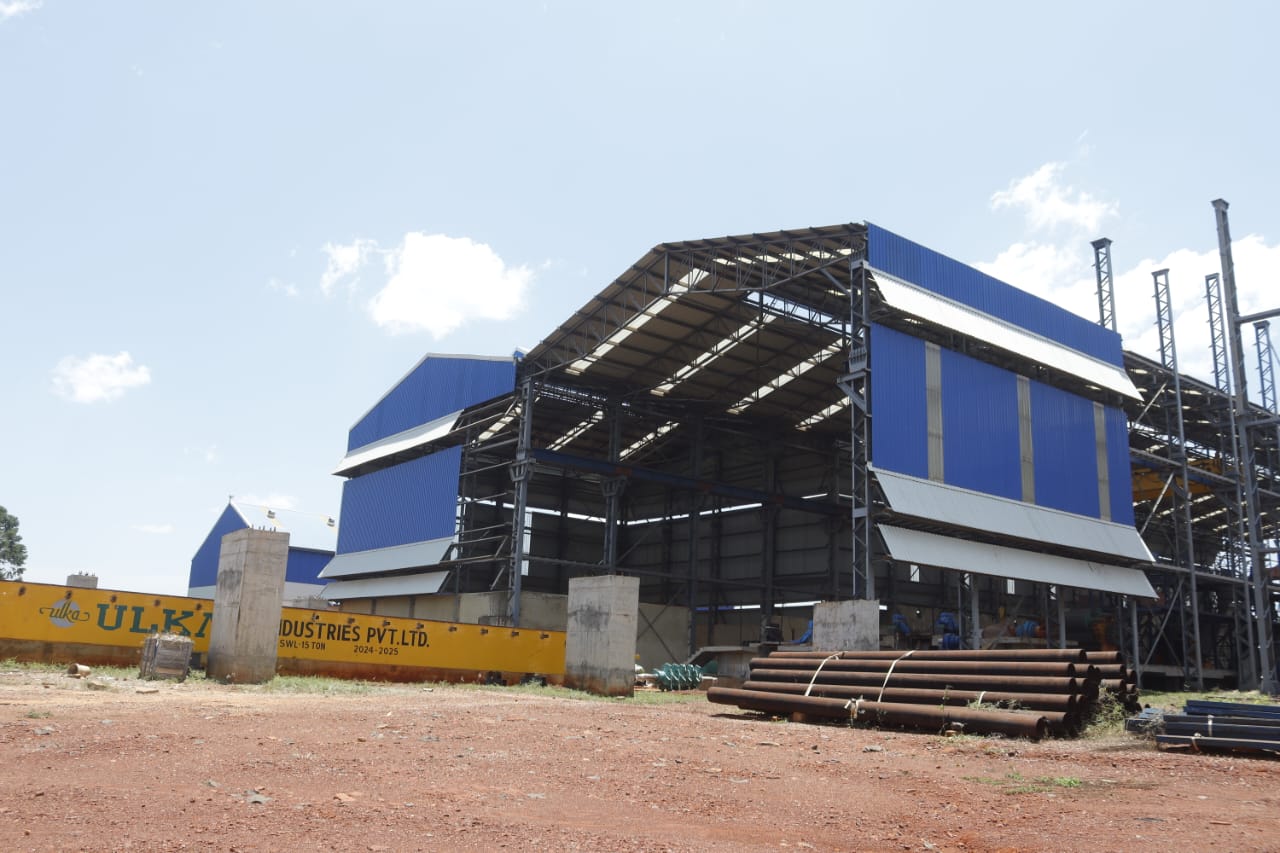
What is new this week
The latest development is the council's field assessment. Officials began assessing CN Sugar's roughly 3,000 acres in Nawampogo Village, Mayuge District, according to the report. The assessment matters because the licensing question has turned largely on whether the company controls enough cane land of its own. Farmers at the meeting also complained that construction at the Kifuyo Village factory site has stopped entirely, with machinery left abandoned, and that middlemen are buying cane at what they called throwaway prices. Some accused council officials of using site visits to solicit money from investors instead of resolving the licence. That is an allegation, reported as made by farmers; no evidence for it was presented in the coverage I reviewed.
How the dispute got here
The factory's troubles pre-date this week's confrontation by years. In June 2024 the trade minister halted establishment of the factory pending adequate raw-material sourcing, and Daily Monitor reported then that the closure put more than 600 jobs at risk. On 20 January 2025, Justice Douglas Karekona Singiza ordered the factory closed, finding that the Ministry of Trade had acted illegally by issuing licences when no Sugar Board was constituted, and that the plant breached zoning policy by operating within a 25-kilometre radius of Bugiri Sugar Factory, as reported by Daily Monitor in February 2026.
The Uganda Sugar Industry Stakeholders Council was formally inaugurated on 23 October 2025, creating a body that could take a fresh look at the application. In February 2026 the CN Sugarcane Growers Association chairperson, Twaliki Isabirye, told Daily Monitor that 939 farmers had 2,525 acres of mature cane ready for harvest with nowhere to take it. A decision was expected on 13 March 2026, but the licence did not materialise.
In August 2026 the Monitor reported that Prime Minister Robinah Nabbanja had written on 13 August that she would travel to Namayingo on 4 September to commission the factory, instructing officials to ensure that all required processes were complied with by that date. The same report noted that the licensing application was still pending, that the company had established 121 hectares of cane against a required 500-hectare nucleus estate, and that existing policy places mills at least 50 kilometres apart, whereas CN Sugar and Bugiri are about 19 kilometres from each other. I could not find published confirmation of what happened on 4 September; the 2 October report describes the factory as still without a licence.
The farmers' case
For growers the arithmetic is simple and painful. Cane that is mature must be cut and crushed within a narrow window or it loses sucrose and weight. Daily Monitor reported in February that farmers were forced to haul cane to distant mills at a cost of between Shs750,000 and Shs1 million per trip, with weighbridge discrepancies cutting returns further. Where haulage is uneconomic, the buyer is whoever turns up with a lorry, and that buyer sets the price. That is the middleman dynamic farmers describe in Namayingo.
Supporters of the licence argue that the community cannot wait. Julius Katerevu, chairperson of UNASGO, told the Monitor in March that current millers were proving more powerful than government and the will of the people, while Sanya said farmers could not keep waiting while their cane went to waste.
The millers' case
The opposing argument is not frivolous. Under the 2010 National Sugar Policy's distance guideline and the Sugar Act framework, licensing is meant to prevent too many mills competing for too little cane. Naboth Kusiima, the Bugiri Sugar manager, told the Monitor: when factories operate in the same area, none of them can get enough raw materials. A March report by AllAfrica described Busoga millers warning of closures because cane supply has fallen, with factories running below capacity and production stoppages becoming common. That is a sharp reversal from years when cane trucks queued for days. S.C. Sharma of the Mehta Group argued that licensing without addressing the court ruling risks exposing decision-makers to contempt of court.
So the same landscape produces two opposite complaints: farmers in Namayingo have too much cane and no mill, while established millers nearby say the cane base is shrinking and a new mill would starve everyone. Both can be partly true, because supply varies by parish and by season, and because cane that is not delivered on time is the cane that eventually gets abandoned.
Why it matters beyond Namayingo
First, it tests whether Uganda's post-2020 sugar regulatory architecture can actually decide hard cases. The Sugar Council exists to separate licensing from political pressure, yet the public record shows a ministerial closure, a court ruling, a prime ministerial commissioning date and farmers' complaints all competing in the same space. If the council cannot produce a reasoned, published decision, the credibility of zoning rules suffers whichever way it eventually rules.
Second, it raises a legal risk. The January 2025 judgment found the earlier permissions unlawful. Any licence issued now will be scrutinised against that ruling and against the nucleus-estate requirement, which the company, per the Monitor's August reporting, had not met.
Third, it affects the economics of the wider sector. Sugar is a major cash crop in Busoga and an input for the food and beverage industry; delays that strand mature cane waste farm income and discourage investment in both factories and out-grower schemes. A district-level ban on cane, were Namayingo to follow through, would be a poor outcome for everyone including the incumbents it is meant to pressure, though it is better read as a bargaining move than a settled plan.
What to watch
The key signals are whether the council publishes the results of its Nawampogo land assessment, whether it issues a decision with written reasons, whether the Ministry of Trade or the Attorney General signals how the January 2025 court ruling will be handled, and whether the prime minister's office reschedules the commissioning. For farmers, the practical question is more immediate: with mature cane in the fields and the rains setting in, each week of delay deepens losses regardless of who is right on the policy.
Neither side has yet shown that the cane base can sustain another mill, and neither has been forced to prove otherwise. A published, evidence-based supply assessment of Namayingo, Bugiri and Mayuge, covering planted acreage, harvest schedules and mill capacity, would do more to settle the argument than another round of site visits.



