Written By | Staff Writer
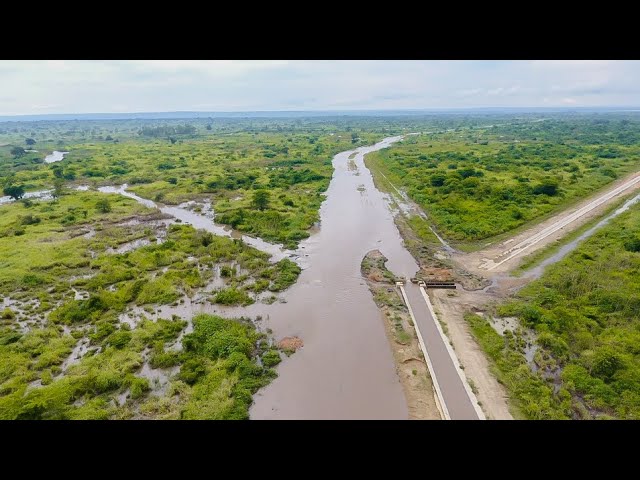
Only 122 of 687 planned schemes were finished by the June 2024 deadline. Parliament has since approved a second, larger loan. Farmers are watching what changes
Feature
Uganda has spent years telling farmers that the answer to erratic rain is water on demand, drawn from a lake or borehole and pushed to crops by the sun. A Nile Post investigation published this week, "Sinking Shs500bn in the Sun", gives an uncomfortable account of how the first attempt to deliver that promise went, and it lands just as the country prepares to borrow again for the same purpose.
The numbers are the starting point. Parliament approved a loan of about €113.4 million, roughly Shs500 billion, from UK Export Finance in 2019, according to the Nile Post report. The loan was priced at 0.79 percent over 13 years with a three-year grace period, was managed through Standard Chartered Bank, and was meant to establish 920 solar-powered water supply and irrigation systems across the country. That is cheap money by any standard. Yet the report says that only 122 of the 687 schemes planned were complete by the June 2024 deadline, a completion rate of 18 percent.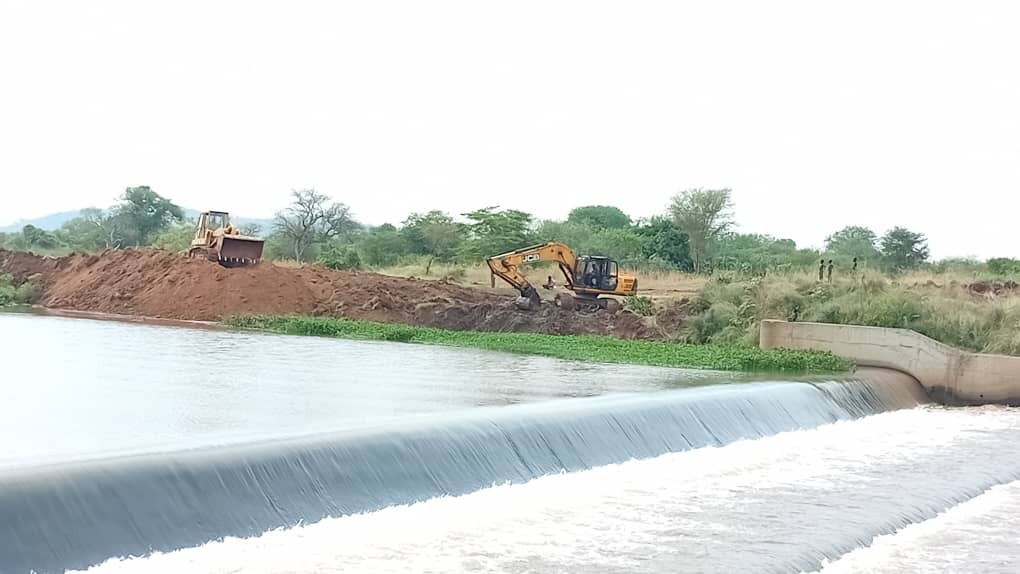
Where the money and the sites fell away
The attrition happened at every stage. According to the findings the Nile Post cites from the Auditor General, 162 of 1,009 candidate sites, or 16 percent, failed at the feasibility stage, and the extra studies cost €320,344.98. A further 58 schemes failed at design, 21 of them irrigation and 37 water supply, at a loss of €208,530. Another 17 approved schemes failed during construction, three irrigation and 14 water supply, at a cost of €61,120.82.
None of those figures is large next to a half-trillion-shilling loan, and that is partly the point. The waste that matters is not the fees for failed studies. It is the years of farmer expectation attached to sites that never got water, and the opportunity cost of a scheme that reached fewer than one in five of its planned locations before the money's window closed.
The report also records a candid admission. A Ministry engineer, Edward Babona Tumwesigye, is quoted as having admitted on record that political interference influenced how sites were selected and executed. Irrigation engineers will tell you that the single most important variable in a scheme's success is where it is placed: near a reliable water source, close to a cluster of farmers who can use it daily, and with a clear body responsible for maintenance. When siting follows politics rather than hydrology and demand, schemes fail at design or sit unused after commissioning.
Who gets the water once it flows
The Nile Post found a second, quieter failure in access. In Ngalonkalu village, a community water system was allegedly taken over by the host farmer, Winnie Kalyesubula, who restricted neighbouring farmers' use of it even though project guidelines stress wider domestic and productive access. The allegation is the report's, and the host farmer's side is not set out in the material available to us, but it illustrates a design tension familiar across Africa. Solar schemes are usually built on one household's land because land tenure makes it simple, and the host then becomes a gatekeeper. Without a written water-sharing agreement, a user committee and a fee structure everyone understands, a public investment can quietly become a private asset.
The Auditor General's recommendations, as the Nile Post summarises them, read like a checklist for avoiding all of this: proper pre-feasibility studies, early community engagement, protection of the water source, and strict maintenance frameworks. These are unglamorous requirements. They are also the ones that determine whether a solar panel is still pumping in year five.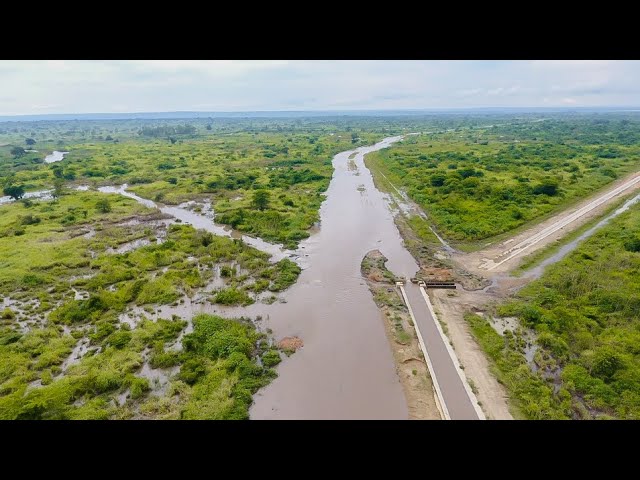
The second loan: bigger, dearer, more targeted
The lesson is now being tested for real. On 10 June 2026 Parliament approved a follow-on borrowing of €168.9 million, according to the Parliament of Uganda's own news release. It combines €148.5 million from UK Export Finance at a fixed 3.65 percent over 13 years with a three-year grace period, and €20.5 million from Citi Bank at about 7.5 percent over seven years. The blended cost is markedly higher than the 0.79 percent attached to the first loan, and one MP, Karim Masaba, argued on the floor that a cheaper option than 7.5 percent existed and should be explored.
The scope is different, too. The new money is earmarked for 427 solar-powered irrigation systems in coffee-growing regions, covering about 4,768 acres and an estimated 2,562 households, with projected coffee yields rising from 1.3 to 6.5 kilograms per tree. That is a fivefold jump, and a bold one. Farmers who have watched robusta trees wilt through recent dry spells will find it attractive; agronomists will want to see field trials before accepting it as a planning figure.
Agriculture Minister Frank Tumwebaze defended the loan by pointing to climate pressure and the credit gap, noting that farmers with 10 to 20 acres cannot borrow from the Uganda Development Bank on workable terms. Another MP, Julius Muntu, stressed the budget constraints that push government towards external finance. But the process attracted criticism. Rules were suspended to bypass committee scrutiny because the committee had not yet been constituted, and the loan carried a deadline of 13 June 2026. MP Patrick Nsamba objected to skipping scrutiny, and Leader of the Opposition Joel Ssenyonyi demanded accountability for how the first phase had performed before a second was approved.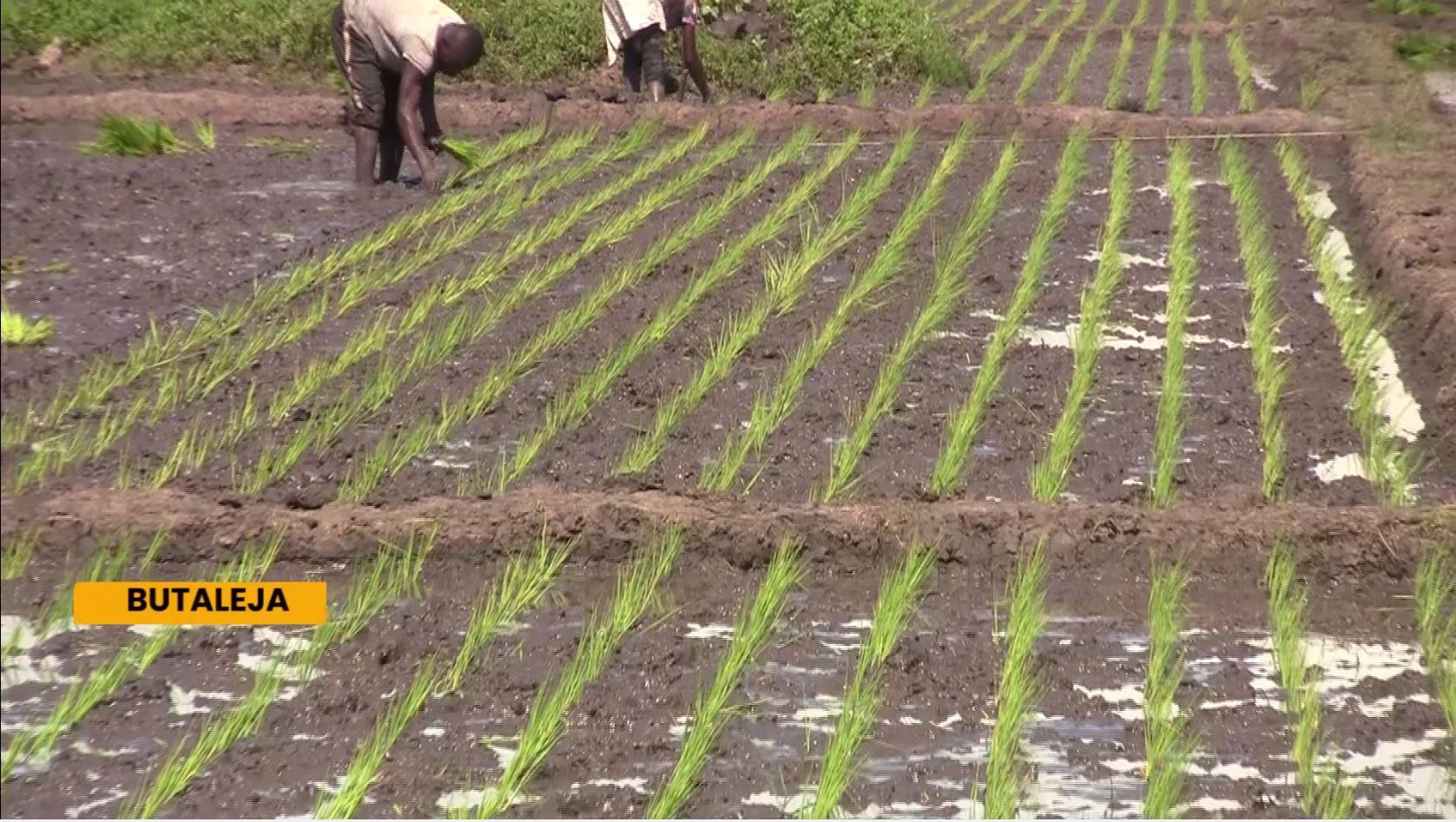
What it means for farmers and the economy
For a coffee farmer, the promise is simple and valuable. Uganda's coffee earnings have slid this month as robusta farm-gate prices fell, and yields are the one lever a farmer controls when prices do not cooperate. A drip system that carries trees through a dry spell can protect both the harvest and the loan repayments that follow. Concentrating the second phase on coffee also aligns irrigation with the country's most important agricultural export, which the Bank of Uganda numbers show accounts for a large share of merchandise exports alongside gold.
For the wider economy the stakes are debt and delivery. Every shilling borrowed at 3.65 or 7.5 percent must be repaid whether or not a single scheme works. If phase two repeats phase one's 18 percent completion rate, the state will owe money for infrastructure that farmers never used. If it succeeds, 2,562 households is still a modest number set against the millions of smallholders exposed to drought. The scheme therefore cannot be judged only by whether it is built, but by whether the water reaches farmers who would otherwise go without, and stays reachable.
Three questions will decide the outcome. First, who selects the sites, and on what published criteria? Making the selection method public, including the hydrological and demand data behind each site, would answer the interference concern directly. Second, who runs each scheme after handover? A registered water-user group with elected leaders and a maintenance fund is worth more than another year of construction. Third, will the Auditor General's early findings be tracked publicly against phase two? Quarterly completion figures against the 427-scheme target would let Parliament act before money is sunk, not after.
Uganda has never lacked solar panels or ambition. It has often lacked the institutional follow-through that turns them into harvests. The first loan is now a case study. The second is the chance to show that lesson was learned, and farmers in the coffee belt will be the first to notice whether it was.



