Agriculture Desk
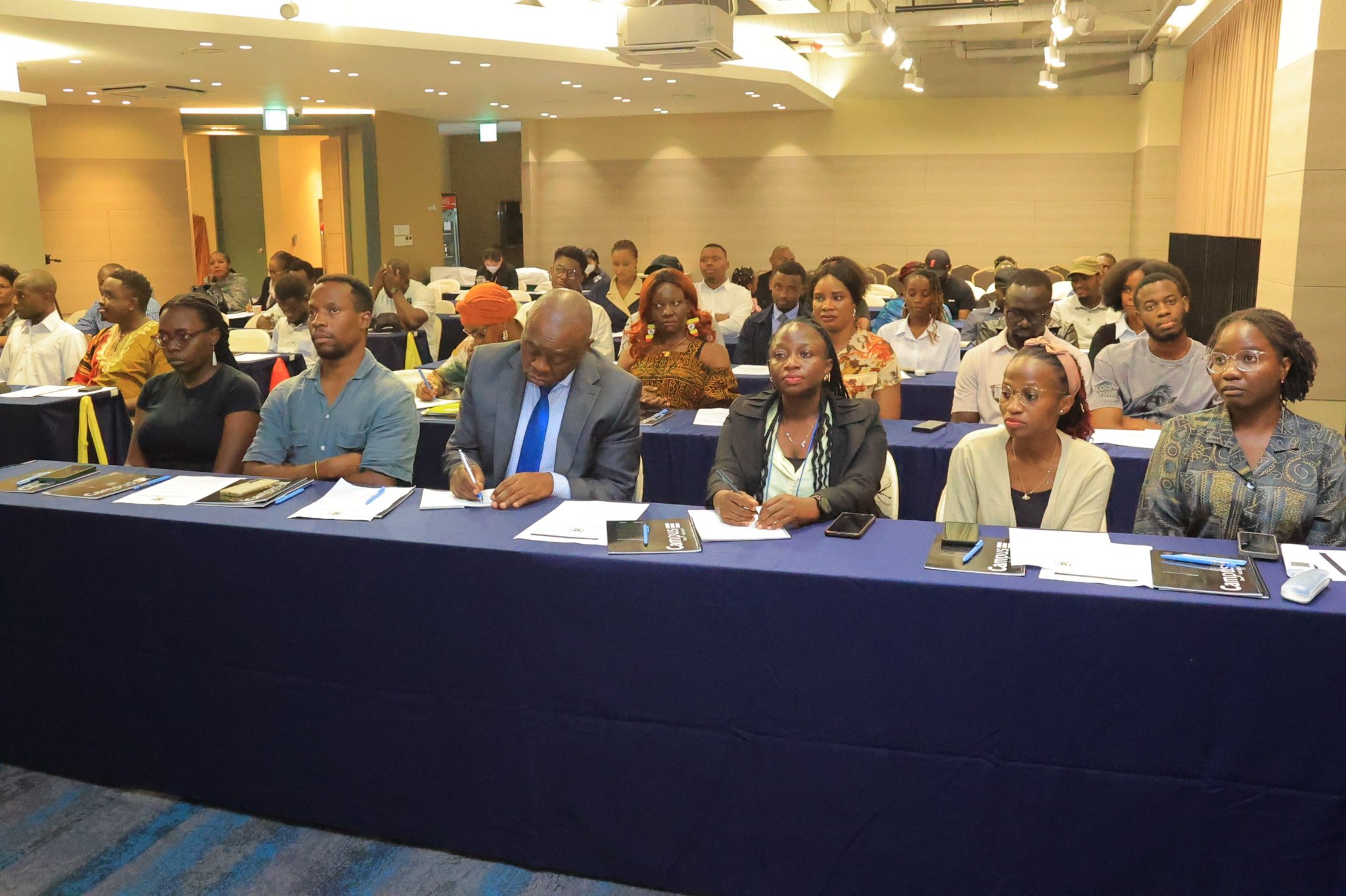
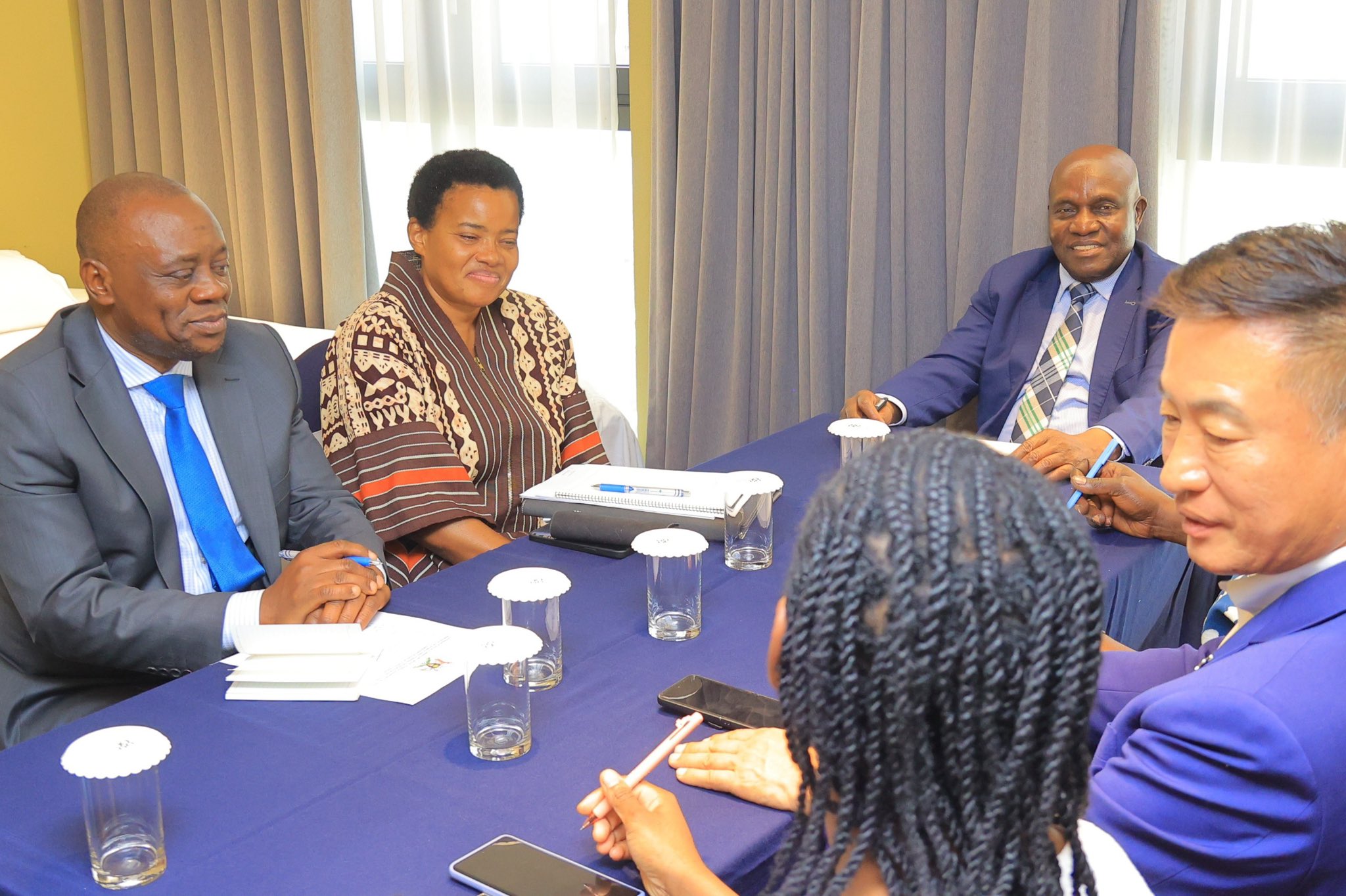
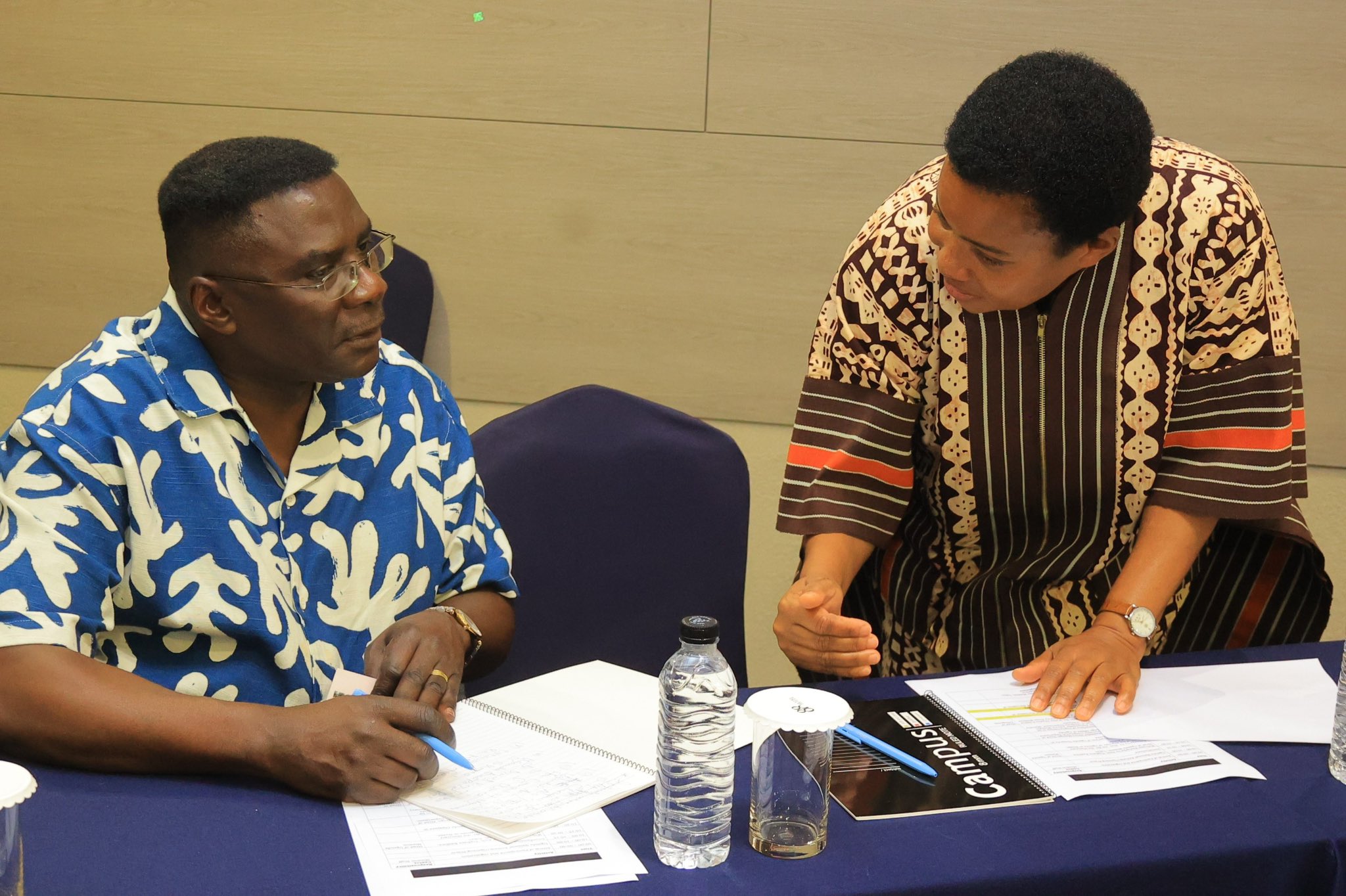
A Ugandan delegation led by Second Deputy Prime Minister Dr Crispus Kiyonga opens the Uganda–Korea Trade and Investment Meeting in Seoul today, the start of a five-day programme running to 10 September organised in partnership with the Korea International Trade Association (KITA).
The scale of what is being negotiated over is easy to miss. Uganda's merchandise exports to South Korea were worth about US$7.18 million in 2023, according to UN COMTRADE data — tobacco, coffee and oilseeds, essentially unprocessed. For a country whose total goods exports now run into the billions, that is a rounding error. It is also, in the government's framing, the entire point: there is nothing to defend and everything to build.
The concentration problem behind the trip
Uganda's agricultural export book has a structural vulnerability that has become harder to ignore this year. The Ministry of Finance's July 2026 Performance of the Economy Report showed coffee earnings falling 36.3 per cent year-on-year in June to US$184.43 million, with export volumes dropping from about 1.01 million bags to 773,308. In the same report, the United Arab Emirates accounted for 98.9 per cent of Uganda's exports to the Middle East — a single-destination dependency inside a single region.
When one crop and a handful of destinations carry the export account, a bad flowering season or one buyer's policy shift transmits directly into the current account and into farm-gate prices. Uganda ran a US$598 million merchandise trade deficit in June. The diplomatic response has been a visible scramble for new counterparties: a Saudi agro-trade push in August, a halal standards dialogue in Kampala earlier this week, the World of Coffee Brussels Portrait Country campaign for 2027 — and now Seoul.
Northeast Asia is a rational target on paper. South Korea is a high-income, import-dependent food market with almost no domestic capacity in coffee, cocoa, vanilla, sesame or fresh horticulture, and a consumer base that pays premiums for specialty and certified-origin product. It is also a market where Uganda currently has no meaningful shelf presence, no established importer relationships and no resident embassy — consular services for Korea are run from Tokyo, a gap several participants raised at a diaspora meeting in Seoul on Saturday.
What Uganda is actually selling
Ambassador Henry Mayega, representing the Permanent Secretary of the Ministry of Foreign Affairs, told the weekend diaspora session that Ugandans abroad were key to delivering the government's ATMS priorities — agro-industrialisation, tourism, minerals, and science, technology and innovation — with agro-industrialisation listed first. Uganda's Ambassador to Korea, Tophace Kaahwa, resident in Tokyo, pointed to agro-business alongside tourism and minerals as the opportunity set, and argued that increased power generation was moving the economy “to a higher gear.”
Dr Kiyonga put the economy at roughly US$70 billion and repeated the target of US$500 billion by 2040 — the Tenfold Growth Strategy, under which agro-industrial exports are meant to grow roughly fivefold to about US$20 billion. Getting there requires exactly the kind of processed, certified, contract-backed shipments that Uganda has struggled to organise: not green beans in jute sacks, but roasted and packed coffee, cocoa liquor, refined sesame oil, dried fruit and processed fish.
That is the same wall Uganda has hit in other markets. The Uganda Free Zones and Export Promotion Authority is still working through an operationalisation backlog that has been blamed for delayed export certification and at least one lost Shs180 billion deal. PACEID's plan for eighteen regional aggregation centres exists to solve the volume-and-consistency problem that kills small-country export deals. Neither is finished.
The quieter track: technology, not tonnage
The more consequential Korea relationship may not be the trade one at all. Through KOPIA — the Korea Programme on International Agriculture — the Rural Development Administration has worked with Uganda's National Agricultural Research Organisation on rice breeding and dissemination, producing fast-maturing, high-yielding aromatic varieties including KAFACI-39 and NARO-Rice 1.
Uganda is also one of seven African countries in Korea's K-Ricebelt initiative, alongside Senegal, The Gambia, Guinea, Ghana, Cameroon and Kenya, which aims to produce about 11,140 tonnes of seed rice annually across the group by 2027. For a country that imported an estimated 360,000 metric tonnes of rice from Tanzania to cover its deficit — and that has set a 2030 self-sufficiency target under its second National Rice Development Strategy — seed multiplication capacity is arguably worth more than a shipping container of green coffee.
KOICA, Korea's grant agency, lists agriculture and rural development among its priority sectors. The Ugandan ask in Seoul this week is therefore layered: buy more, but also transfer irrigation, post-harvest and mechanisation technology into a sector where formal irrigation still covers under two per cent of farmland and post-harvest losses run at 22–30 per cent.
A very small diaspora, a very specific role
The commercial diplomacy is being routed partly through a community that is tiny by regional standards. Hamza Kyamanywa, president of the Ugandans in South Korea Association, reported 654 Ugandans living in Korea as of 31 July 2026 — 407 men and 247 women, mostly students, employees and entrepreneurs.
Ambassador Muhindo told the meeting that government is developing a comprehensive diaspora policy, with consultations largely complete in North America and Europe and now moving to Asia, and pointed to the Uganda Diaspora Convention scheduled for 18–22 December 2026. Six hundred people will not move Uganda's export numbers by themselves. What a small, technically skilled diaspora can do is act as market intelligence and as first-mile importers — the function that Ugandan communities in the Gulf and the UK have quietly performed for matooke, groundnut paste and specialty coffee.
What farmers should watch for
The test of this week is not the communiqué. It is whether three specific things emerge: a named Korean buyer or importer with a volume commitment; a sanitary and phytosanitary or standards-recognition step that lets Ugandan product clear Korean customs without a bespoke audit each time; and any expansion of the KOPIA seed and technology programme with dated deliverables.
Uganda's recent trade diplomacy has produced a good deal of the first kind of headline and rather less of the second and third. The Saudi engagement in August surfaced a stark asymmetry — US$9.11 million in exports against US$149.15 million in imports — and a twenty-five-year sanitary ban on Ugandan beef that no amount of goodwill has yet shifted. The halal dialogue this week produced an unusually candid admission from an OIC official that Uganda's abattoirs largely do not meet the required standards.
Korea will not be different in kind. Its food import regime is among the most exacting in Asia, with pesticide residue tolerances that would immediately test the nine-chemical agrochemical ban MAAIF is phasing in by the end of this year. The upside is that meeting the Korean standard would qualify Ugandan product for most of the OECD.
For a coffee farmer in Masaka watching berries dry on the branch after four months of insufficient rain, none of this changes the season. But the composition of Uganda's export book is one of the few things that determines, over a decade, whether the farm-gate price they receive is set by one buyer or by several. That is the argument for a five-day meeting in Seoul over a US$7 million trade line.
Published By | Features Editor