Written By | Staff Writer
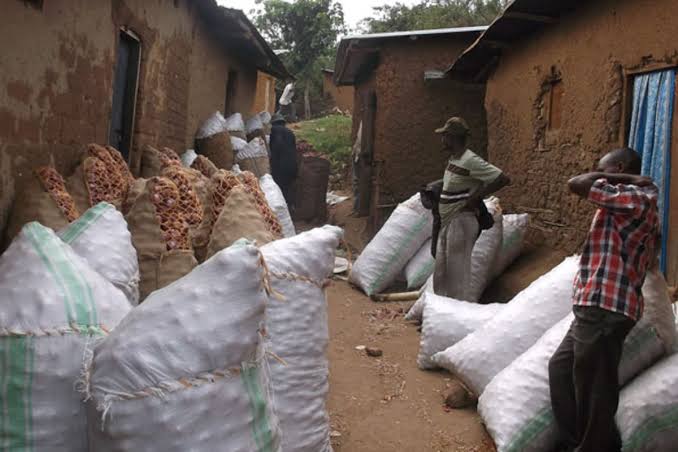
Hybrid maize seed, bean seed and phosphate fertiliser cost up to 136% more than a year ago in a region still counting drought losses.
Agriculture
Before the rains arrive, the farmers of Greater Masaka are doing arithmetic they dislike. Francis Lukwago, secretary of the Kabonera Farmers' Society in Kimanya-Kabonera Division, told the Uganda Radio Network that a two-kilogram packet of treated hybrid maize seed now costs about Shs20,000, up from less than half that a year ago. Two kilograms of bean seed cost about Shs13,000, against Shs5,000 last year. A kilogram of phosphate fertiliser costs Shs5,200, up from Shs2,200. The Independent carried the report on 21 October 2026.
Those are increases of roughly 100 percent or more for maize seed, 160 percent for beans and 136 percent for fertiliser, on a year-on-year basis. Few farm households have incomes that grew at anything like that rate. The season in which they must plant comes immediately after a drought that, by farmers' own account, flattened crops. The result is a squeeze that officials in Masaka now describe in terms of food security.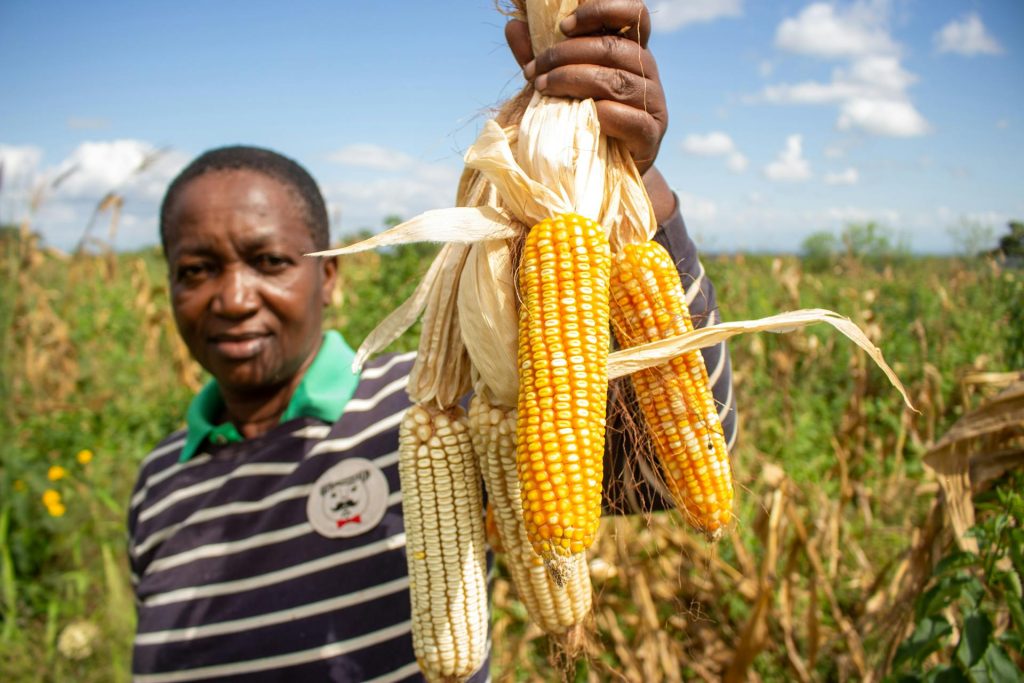
A season that starts in debt
The timing is the cruel part. Masaka and neighbouring Lwengo endured a prolonged dry spell that damaged both seasonal and perennial crops. Mark Tamale of Kingo Farmers' Cooperative Society in Lwengo said many farmers have still not secured seed for the new season. Gardens are being prepared for the expected rains, which the Meteorological Department says should peak in late October and November, but preparation without seed is only tilling.
Many farmers are therefore falling back on home-saved seed, which is cheap but often poor, or borrowing from neighbours without any check on quality. That choice has costs of its own. Saved maize seed from hybrids loses vigour, and untested bean seed can carry disease. A farmer who plants poor seed in a late season risks a second consecutive failed harvest. Coverage earlier this month from Ntungamo and Tororo showed similar pressures: bean seed prices rising sharply and hailstorms forcing replanting. Masaka is the same story at a larger scale.
John Kakande, the Masaka District chairperson, said his office is overwhelmed with requests for inputs. His technical team has compiled a situation report for the Ministry of Agriculture, Animal Industry and Fisheries. He warned that without help, food insecurity could worsen and the government might eventually have to buy food for affected communities. That is a notable admission from a district leader: an input subsidy now is cheaper than food relief later.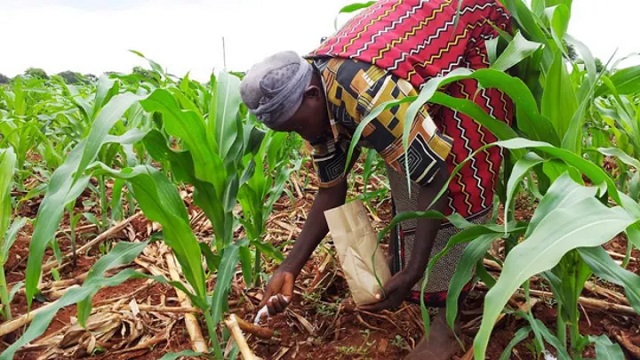
Why prices jumped
The Independent report does not explain the price rise, but the broader record offers several drivers that readers can weigh.
The first is the exchange rate. The shilling has fallen to record lows against the dollar this month, and fertiliser and many seeds are imported or priced off imported components. The Bank of Uganda's emergency rate rise in mid-October, which lifted its policy rate to 12 percent, was intended to defend the currency, but it also raises the cost of the credit that input dealers use to stock their shelves.
The second is global supply. An earlier Independent report on 15 October warned of fertiliser cost pressure as the Iran crisis disrupts shipping. Economists at the Economic Policy Research Centre cited in that coverage noted that a large share of Uganda's fertiliser imports comes from the Gulf. Fuel prices, which govern transport cost from Mombasa to Masaka, have also risen.
The third is drought itself. When one season fails, demand for certified seed in the next jumps because farmers cannot rely on their own saved stocks. Dealers raise prices into that demand. And the fourth, as the counterfeit-seed debate in Parliament this month has underlined, is that cheaper alternatives are not always safe: experts have estimated that a large share of seed on the market is counterfeit or of dubious quality, which pushes risk-averse farmers toward the expensive genuine product.
What government has done, and what farmers say is missing
The government has not been absent. Last month, Permanent Secretary Maj. Gen. (Rtd) David Kasura-Kyomukama flagged off fertiliser consignments for drought-affected districts, part of a wider free-fertiliser programme the ministry announced in August. Kakande acknowledged this but said it is insufficient against the scale of need.
Official statements to Parliament this month also emphasised achievements: sector growth of 6.4 percent in the last financial year, the Parish Development Model's Shs4.4 trillion envelope and mechanisation plans. Yet farm-level conditions in Masaka suggest a gap between aggregate figures and the household that cannot afford 2 kilograms of bean seed. Growth in agriculture's share of GDP does not automatically reach a farmer who must choose between seed and school fees.
There is also a design question. The free-fertiliser drive has focused on particular crops and districts, beginning with tea and then coffee and cocoa. Farmers growing maize and beans, which feed the household and the urban market, may receive little from it. If the aim is to protect the next food harvest, seed access, not only fertiliser, may be the binding constraint.
Options on the table
Policymakers have a few practical choices, each with trade-offs. Targeted seed vouchers or e-vouchers would let farmers in declared drought-affected districts buy certified seed from registered dealers, cutting out counterfeits and avoiding the logistics of state distribution. The risks are leakage and delayed disbursement, a problem that has dogged previous subsidy efforts.
Cooperative bulk purchasing is the second route. Kingo Farmers' Cooperative Society and Kabonera Farmers' Society are exactly the structures that could negotiate volume discounts with seed companies, but only if they have working capital. Concessional credit tied to cooperatives, rather than the 17 to 19 percent lending rates now common in commercial banks, would make bulk buying viable.
Third, government could lean on the Parish Development Model revolving funds, which are meant for production but, as recovery problems in places like Bugisu and Nebbi have shown, are often poorly repaid. Directing some funds explicitly to input purchases for the second season, with community guarantees, could convert a general-purpose fund into a targeted tool. That would need clear rules and prompt disbursement because the planting window is short.
Finally, there is extension. Farmers saving seed need guidance on selection and treatment, and those borrowing from neighbours need simple quality checks. These are cheap measures that district production offices can run if they have fuel and staff, which is the same capacity shortage Kakande describes.
The stakes
Uganda's food-insecurity picture is already heavy. The national analysis launched in late October projected 4.4 million people in crisis or worse conditions by early 2027, with relief funding thin. Masaka, a traditionally food-surplus district feeding Kampala, is not at the top of that list. But if the central region's second season underperforms, the effect would be felt in market prices across the country, not just in Masaka. Food and fuel inflation was already running above its trend earlier this autumn, and matooke, beans and maize are the items households notice first.
There is an asymmetry worth emphasising. The cost of an effective seed intervention in a handful of central districts is small compared with the cost of food procurement, relief and lost output if farmers plant poor seed, or no seed, in the coming weeks. Kakande's warning, that the government may have to procure food, describes the expensive path.
What to watch
The key signals over the next two to three weeks are straightforward. Does the Ministry respond to the Masaka situation report with seed or fertiliser support beyond the earlier consignments? Do input dealers hold prices if rains arrive on schedule, or push them higher as demand peaks? Does the Meteorological Department's forecast of near- to above-normal rainfall hold, since good rain would reward those who plant good seed and punish those who cannot? And do banks and SACCOs offer any short-term relief to cooperatives?
For the farmers of Kimanya-Kabonera and Lwengo, the answers will decide whether the new season repairs the damage of the old one or compounds it. The prices Lukwago quoted are a reminder that in agriculture, a drought does not end when the rain returns; it lingers in the cost of the next seed.



