Written By | Staff Writer
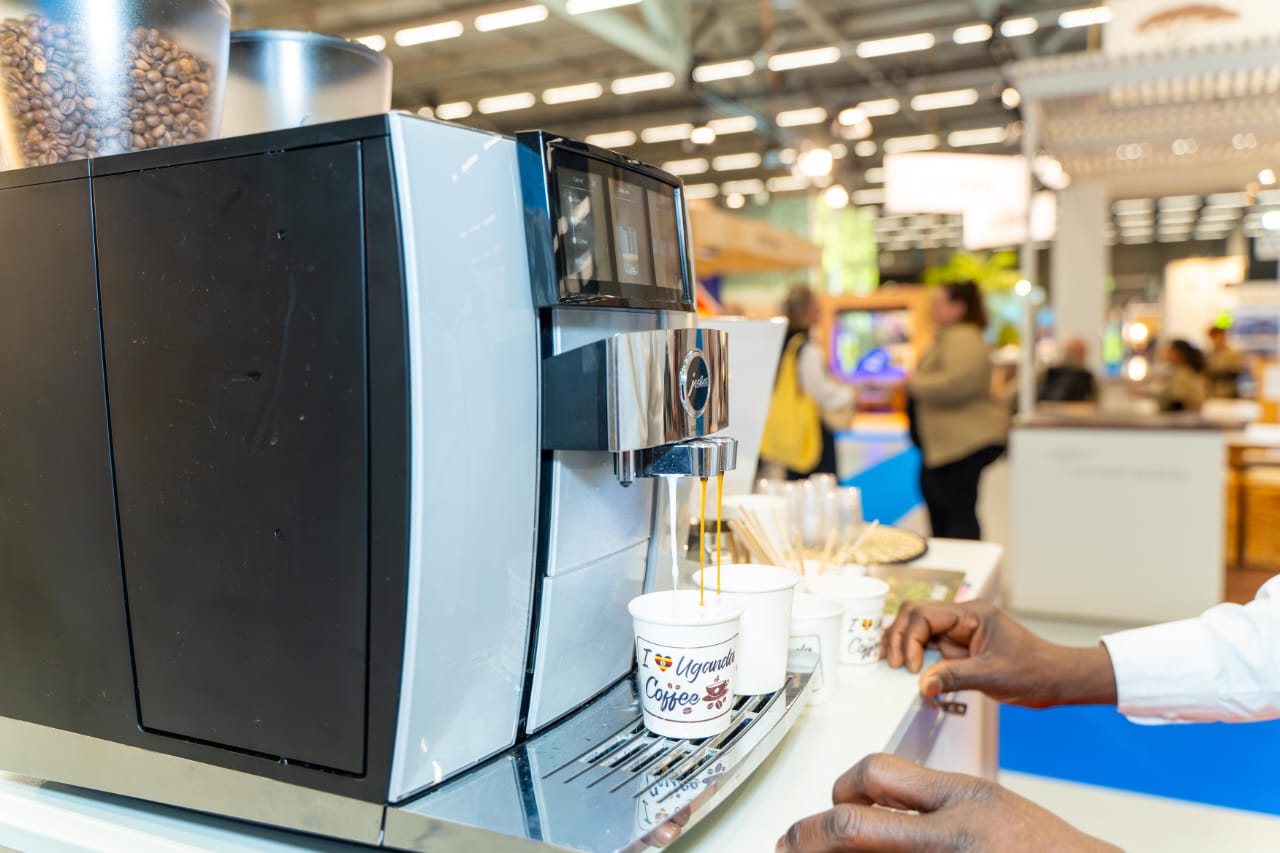
Uganda has joined the Swiss Coffee Trade Association at its first forum appearance.
Agriculture
Uganda has become a member of the Swiss Coffee Trade Association (SCTA), a milestone reached at the association's 17th Forum in Montreux, Switzerland, on 4 October 2026, according to Daily Monitor. It was the country's first time attending. The delegation was led by State Minister for Agriculture Desire Muhooza, and its presentation was titled 'Brewing Trust: Traceability, Sustainability and Value Addition in Uganda's Coffee Journey.'
The SCTA represents more than 40 companies involved in green coffee trading, according to the report. Switzerland is not a coffee-growing country, but it is a trading hub, and Uganda is Africa's largest coffee exporter. Membership will not change a farmer's price this week. What it changes is who Uganda gets to talk to, and how directly.
What is new today
The new fact is the membership itself, and the stage on which it was announced. Ministry officials told the Monitor that membership will strengthen access to global markets and allow direct engagement with key industry players. Maj Gen David Kasura-Kyomukama assured the forum of Uganda's commitment to transparency and to compliance with emerging market requirements, including the EU Deforestation Regulation. Those are statements of intent. The report did not specify any contracts, volumes or prices that came out of the forum.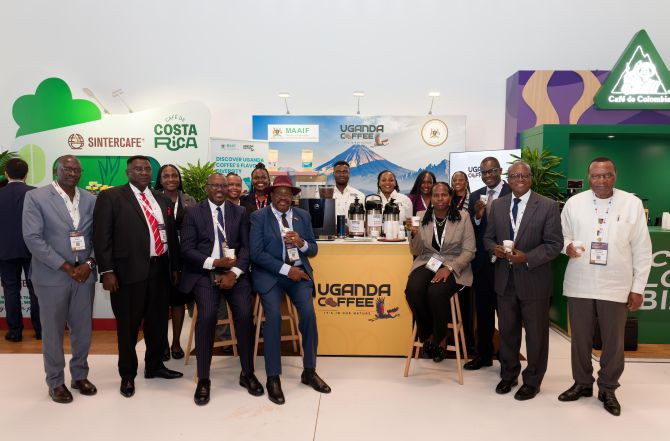
Why Switzerland matters to Ugandan coffee
The relationship did not start in Montreux. In March 2026, a delegation of Swiss coffee professionals from companies including Sucafina SA, Ecom Trading, UCC Europe and Louis Dreyfus Company visited Uganda for a week, touring washing stations in the Mt Elgon and Mubuku regions and meeting farmers, processors and policymakers, according to AllAfrica. The visit was coordinated by Uganda's embassy in Switzerland and the SCTA. Joining the association is the formalisation of a relationship that has been developing for months.
The commercial logic is plain. Coffee that leaves Uganda as green beans is sold through traders who finance, consolidate, ship and place it with roasters. Having Uganda's officials in the same room as those traders, rather than reaching them only through exporters, shortens the feedback loop on what buyers want and on how Ugandan beans are perceived.
The numbers behind the pitch
Uganda arrives with strong export figures. Data released by the Ministry of Agriculture and reported at the June launch of the national coffee brand at World of Coffee Brussels put exports in the 12 months to April 2026 at 8.78 million 60-kilogram bags worth US$2.38 billion, up 22 percent in volume and 23 percent in value. Europe took 52 percent of exports in April 2026, with Italy and Germany among the leading destinations. The same month's earnings of US$155.5 million were 10 percent lower than April 2025, which the ministry attributed to weaker international prices.
The US Department of Agriculture's attaché report, published 22 June 2026 and summarised by Daily Coffee News, projects 2026/27 production of 7.16 million bags, a 0.9 percent rise, and exports of 6.83 million bags. Robusta makes up the bulk, at 6.025 million bags, with arabica at 1.135 million. It put average export prices at US$4.51 per kilogram in 2025/26, up from US$2.63 in 2023/24, and noted that smallholders account for about 90 percent of production. Rising fertiliser costs and pests including coffee berry borer and leaf rust continue to hold back yields.
Prices have since softened. Domestic reporting in September, covered in our earlier coverage of the robusta price glut, showed farm-gate prices falling. That context makes the SCTA membership more important, because a weaker market raises the premium on buyer relationships and on any quality or compliance edge Uganda can document.
Traceability is the price of admission
Montreux's theme, 'Brewing Trust', was deliberate. Buyers in Europe face the EU Deforestation Regulation, which requires proof that coffee does not come from recently deforested land. For traders, that means being able to trace beans to farms with geolocation data, and they will favour origins that can show it cheaply and credibly. For a country where roughly nine in ten producers are smallholders, building that record across millions of small plots is a heavy lift, and who pays for it is an open question. If the cost is pushed down the chain onto farmers through lower prices or exclusion of unregistered growers, the benefits of access will not reach them.
The brand launched in Brussels in June, 'Uganda Coffee: It's in Our Nature', was funded through MARKUP II, an EU-backed programme implemented by the International Trade Centre. The pairing of a national brand with a compliance message suggests the government sees reputation and regulation as one project.
The value-addition tension
There is a quieter tension in the 'value addition' part of the Montreux theme. The USDA report notes the government is signalling a long-term shift away from green coffee exports towards roasted and soluble products. The SCTA, however, is an association of green coffee traders. Its members make money moving unroasted beans. Uganda can court them while it builds processing capacity, but it should not expect traders to champion a policy that would reduce the green coffee they handle. The practical approach is sequencing: keep green exports strong and traceable now, and develop roasting and soluble capacity for segments where Uganda can compete, including regional and Asian markets.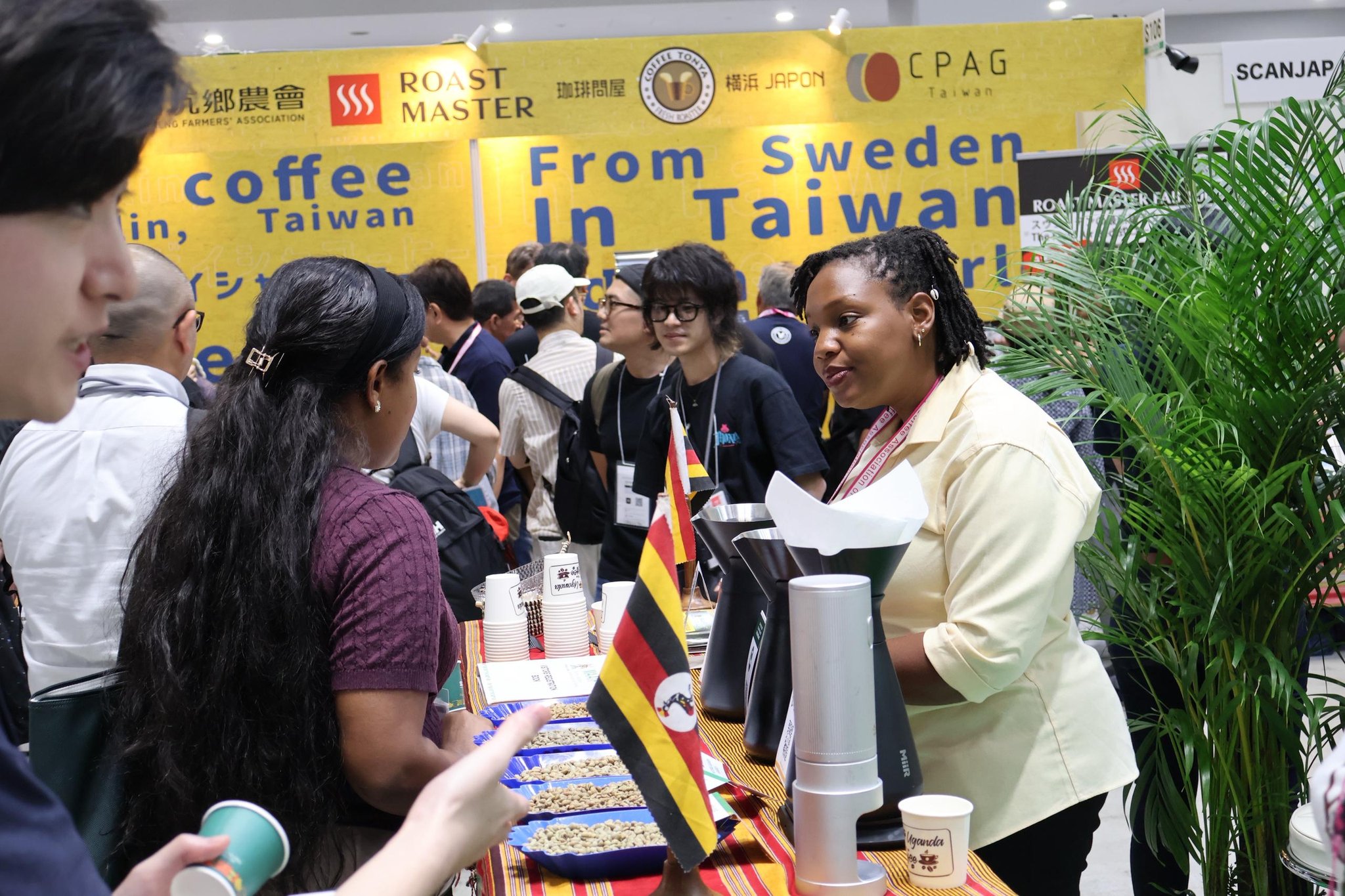
What membership will and will not deliver
It will likely deliver access: introductions, a channel for early warning about buyer requirements, and a platform to present Uganda's standards, in the way the Brussels brand launch did for retail and roaster audiences. It could help Ugandan exporters get a hearing with traders they might otherwise struggle to reach.
It will not deliver price on its own, and it cannot fix problems at origin. Farm-gate prices follow world markets and exporter margins. Yield is limited by input costs, disease pressure and ageing trees. And the EUDR compliance question depends on field-level systems, not forum speeches.
What to watch
Four things will show whether Montreux was substance or symbolism: whether SCTA members announce purchasing programmes or traceability partnerships tied to Uganda; whether the ministry publishes concrete numbers on how many farms have been geolocated; whether Uganda Coffee Development Authority export data show growth in the European share; and whether any support for smallholder registration is announced alongside the access. The membership is a door. What matters for farmers is whether Ugandan coffee, and the people who grow it, can walk through it on fair terms.



