Gulu/Agago
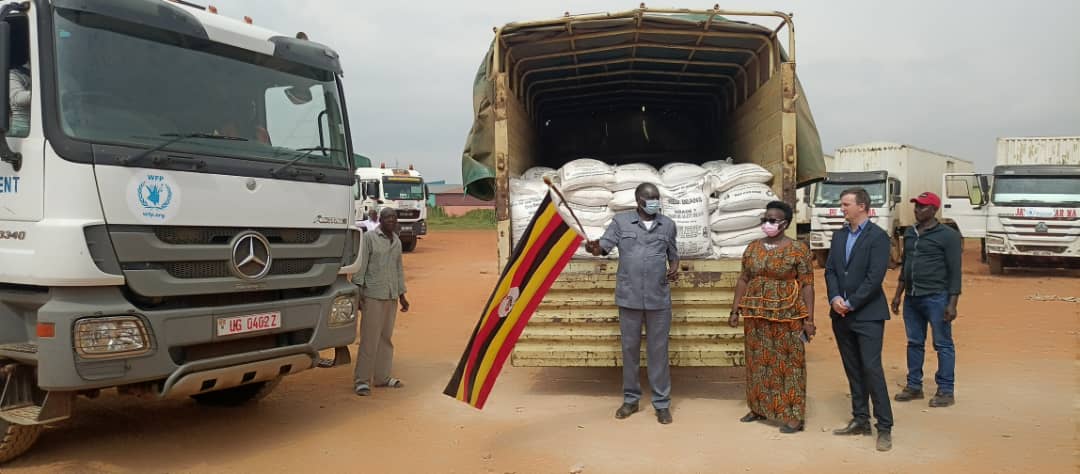
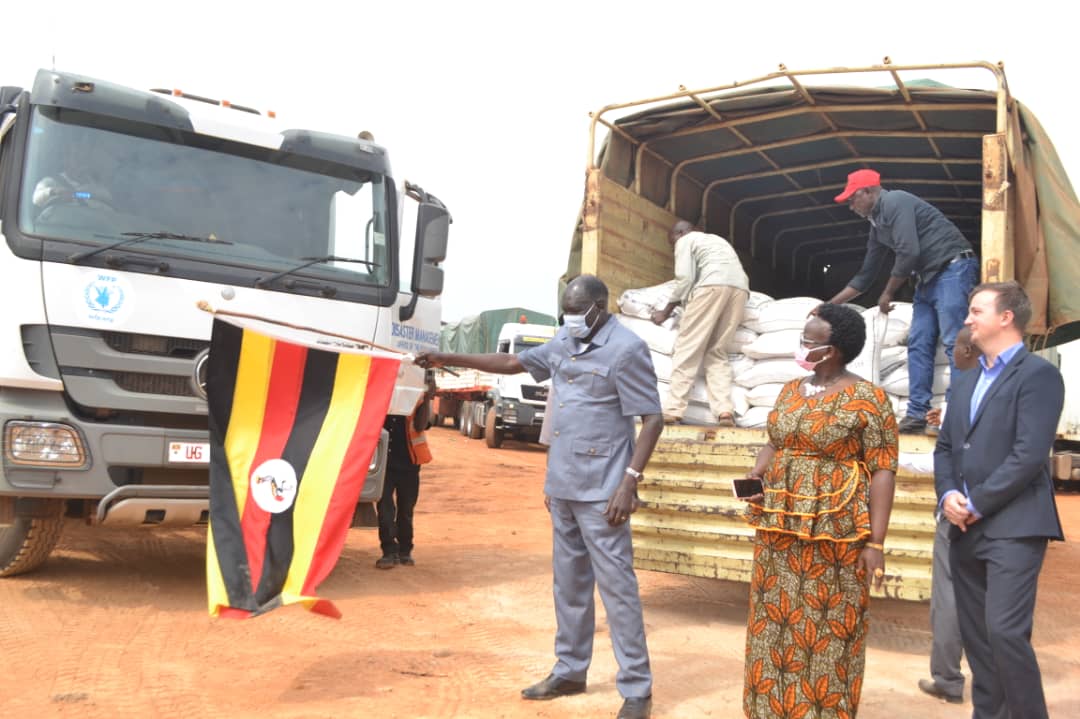
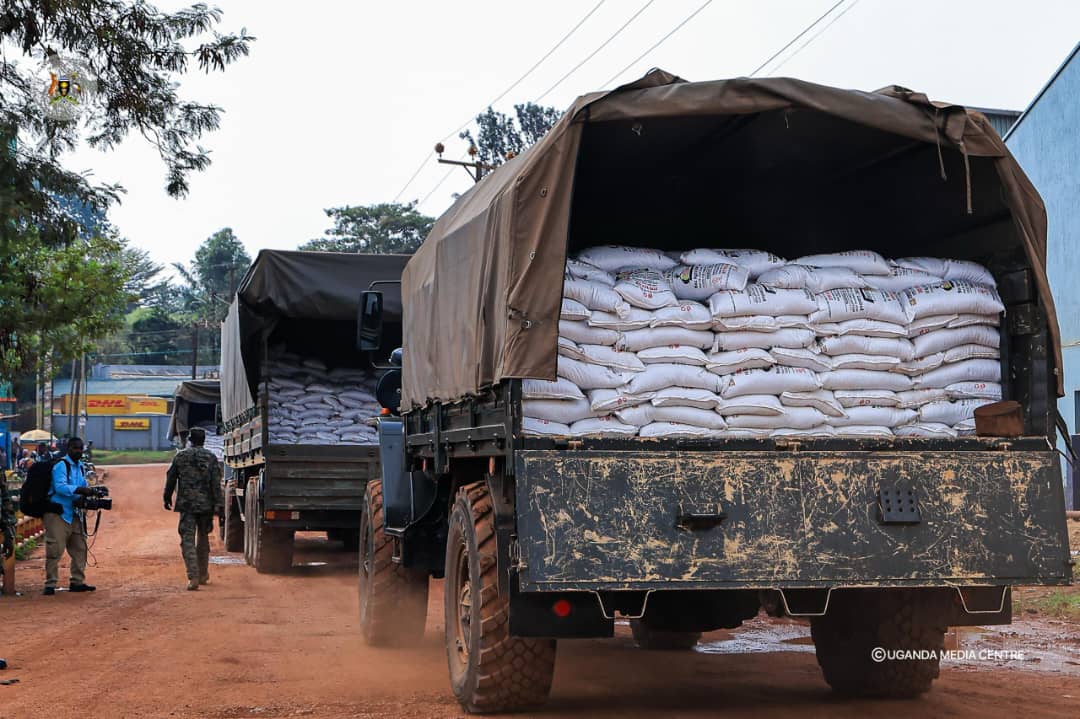
Uganda’s northeast has, for weeks, dominated the national conversation on hunger. Convoys carrying nearly 9.5 million kilogrammes of maize flour and dry beans have been rolling into Karamoja’s nine districts since July, part of a two-month emergency operation targeting more than 300,000 households across 480 parishes. The crisis there is real and severe: Oxfam and the Famine Early Warning Systems Network (FEWS NET) say at least 19 people have starved to death in Karamoja, where roughly 473,000 people — nearly one in three of those assessed — faced Crisis-level acute food insecurity or worse between April and July this year, with 41,000 in the more severe Emergency phase.
But 300 kilometres to the west, in the six districts of the Acholi sub-region, a strikingly similar crisis has been unfolding with almost none of that national attention or emergency response. In Agago District alone, local leaders say at least 12 to 15 people have died of hunger-related illness since June, and 351 malnutrition cases have been logged at health facilities between January and July — 45 of them severe enough to require admission. In neighbouring Lamwo District, eight more hunger deaths have been reported, alongside 126 patients being treated for hunger-related illness. Across the wider sub-region, district chairpersons say granaries that once overflowed with millet, sorghum and maize now stand empty, and children are dropping out of school because their families can no longer feed them.
The parallel is not a coincidence. Both crises trace back to the same culprit: a prolonged dry spell across northern and northeastern Uganda between March and July 2026, compounded by an approaching El Niño weather event that forecasters warn could bring destructive floods on the heels of the drought. What differs is the scale of the response — and that gap is now the subject of an increasingly urgent political appeal from Acholi’s own leaders.
“Innocent people are dying of hunger”
On July 20, 2026, chairpersons from all six Acholi districts — Gulu, Nwoya, Omoro, Pader, Kitgum and Lamwo — held a joint press conference in Gulu City to launch the newly formed Acholi Local Government Leaders’ Forum and issue a collective appeal to President Yoweri Museveni and the Office of the Prime Minister for emergency food relief.
“Please respond, President Museveni. These are your leaders crying out,” said Hon. Alfred Akena, Pader District chairperson and head of the new forum, according to Radio Pacis. “We pray that government acts immediately because the people of Acholi want development, but without food, development is impossible.”
Agago District chairperson Hon. Wilson Otto described a district in crisis. “These figures speak for themselves,” he said of the malnutrition data, adding that communities are surviving on porridge and pawpaw as their only daily meals, while some households have resorted to eating raw pawpaw as sauce or foraging wild leaves after exhausting mangoes during fruiting season. Otto drew a direct comparison to the government’s Karamoja response: “If Shs45 billion was allocated to support Karamoja, then Acholi also deserves similar support because our people are suffering.”
According to the district production department, more than 69,400 households in Agago lost their crops to the prolonged drought, and a recent survey found that 85 percent of affected households suffered total crop failure. Agago District Health Officer Dr Kimston Opiyo linked the rising malnutrition numbers to a combination of food shortages, poverty, alcohol abuse and the dry spell. “Under normal circumstances, farmers who plant millet, maize and groundnuts in March begin harvesting in July,” Otto explained. “This year, however, the dry spell caused widespread crop failure. If the sunshine continues without rain, the number of hunger-related deaths could increase.”
In Lamwo, chairperson Hon. Cisto Oyet called the situation “a state of emergency caused by hunger,” describing maize fields that reached maturity only to wither before farmers could harvest them, leaving no food reserves and no seed for the next planting season. He said food prices have roughly tripled — a kilogram of maize that once sold for about Shs400 now costs around Shs1,400 — pushing food out of reach even for families with some cash. The drought has also triggered internal displacement, with families moving in search of food only to find neighbouring communities facing identical shortages.
Kitgum District chairperson Hon. Tonny Blair Tolit said the crisis has spilled into schools and health facilities. Some schools that previously enrolled more than 2,000 learners now report fewer than 500 pupils attending. Health workers, he said, are recording rising numbers of babies born at dangerously low birth weights — some between one and 1.5 kilograms, requiring intensive care, with some not surviving — and district health officials have linked hunger to a rise in miscarriages.
Adding to the pressure, Agago and Nwoya leaders report that more than 100 elephants have crossed from protected wildlife areas to raid the crops that did survive the drought, timing their raids to strike maize fields just as they mature. “The elephants wait until the maize matures before destroying entire gardens, leaving families with nothing to harvest,” said Nwoya District chairperson Hon. Patrick Okello Oryema.
Why Karamoja got a national response and Acholi did not
The disparity is not entirely unexplained. Karamoja’s food insecurity is longer-running and more chronic, with roughly 1.5 million people considered at risk of malnutrition and a formal Integrated Food Security Phase Classification (IPC) analysis that gives government and donors hard numbers to act on — the IPC estimates 122,100 children under five will need treatment for acute malnutrition between March 2026 and February 2027, including 30,600 severe cases, alongside roughly 8,000 pregnant and breastfeeding women needing nutritional care. That data infrastructure, plus decades of humanitarian attention to the region, has made it easier to trigger a coordinated national response: the Office of the Prime Minister’s two-month relief operation, a six-month medium-term response plan covering early warning systems, nutrition, livelihoods and school feeding, and longer-term investment through programmes like the four-acre farming model.
Acholi, by contrast, has no equivalent standing humanitarian infrastructure, despite a poverty rate that regional leaders say remains among the highest in Uganda. Gulu City Mayor Julius Labeja Acire noted that the crisis ripples well beyond farming households, since Gulu serves as the main market for produce from across the sub-region — meaning falling supply is now driving up food and animal-feed prices for urban residents and livestock keepers alike. Omoro District chairperson Hon. Andrew Okot Obibi put the underlying grievance bluntly: “We are not asking to be treated differently from other regions. We are simply asking for the same timely support when our people are in distress.”
A brief window, and a warning about what comes next
There are two reasons this moment matters beyond the immediate emergency. First, timing: Karamoja’s two-month relief distribution, which began in July, is scheduled to wind down as August ends, even as the IPC projects the food security situation may only meaningfully improve with the September-to-December harvest — leaving a gap that Acholi’s leaders fear will swallow their own appeal, submitted to the Office of the Prime Minister on July 3, without the same urgency applied to Karamoja.
Second, the same El Niño system being watched for its effect on Karamoja threatens to compound Acholi’s crisis in an entirely different way. The Ministry of Water and Environment has forecast above-normal rainfall across Uganda from August through December 2026, driven by a weak-to-moderate El Niño and a positive Indian Ocean Dipole — conditions capable of flipping drought-stricken land straight into flood risk. Lamwo chairperson Oyet said as much himself: although signs of rain have begun appearing, he fears they could arrive as destructive storms rather than the steady rains farmers need to replant. The African Development Bank has estimated that a strong El Niño event could shave 1 to 2 percent off GDP in heavily affected African countries and cause $10 billion to $20 billion in continent-wide economic losses through crop failures, livestock losses, infrastructure damage and higher food prices — a risk the Alliance for a Green Revolution in Africa (AGRA) explicitly flagged as still bearing down on Karamoja and, by extension, other vulnerable regions like Acholi.
For now, Acholi’s district leaders are trying to hold two things together at once: pressing government for the kind of immediate, large-scale food relief that Karamoja has received, while also pushing longer-term fixes — irrigation, mechanisation, commercial farming — that could reduce the region’s near-total dependence on increasingly unreliable rains. As Akena put it, closing the leaders’ joint appeal: “Seeds are important for the next planting season, but food must come first because lives are already being lost.” Whether that appeal reaches the same ears, and unlocks the same scale of response, as Karamoja’s did will determine how many more names get added to Acholi’s hunger death toll before the next harvest arrives.
Published By | Tech Wiz