Luwero Coffee Park groundbreaking set for October as government and Saudi investors bet on a 42,000-tonne processing hub to shift Uganda from bean exporter to value-added producer
NAKASEKE
President Yoweri Museveni has thrown his weight behind a $200 million coffee processing project in Nakaseke district that its backers say will become the largest single coffee facility in East and Central Africa, marking one of the clearest signals yet of Uganda's push to stop exporting raw beans and start capturing more value from its top export crop at home.
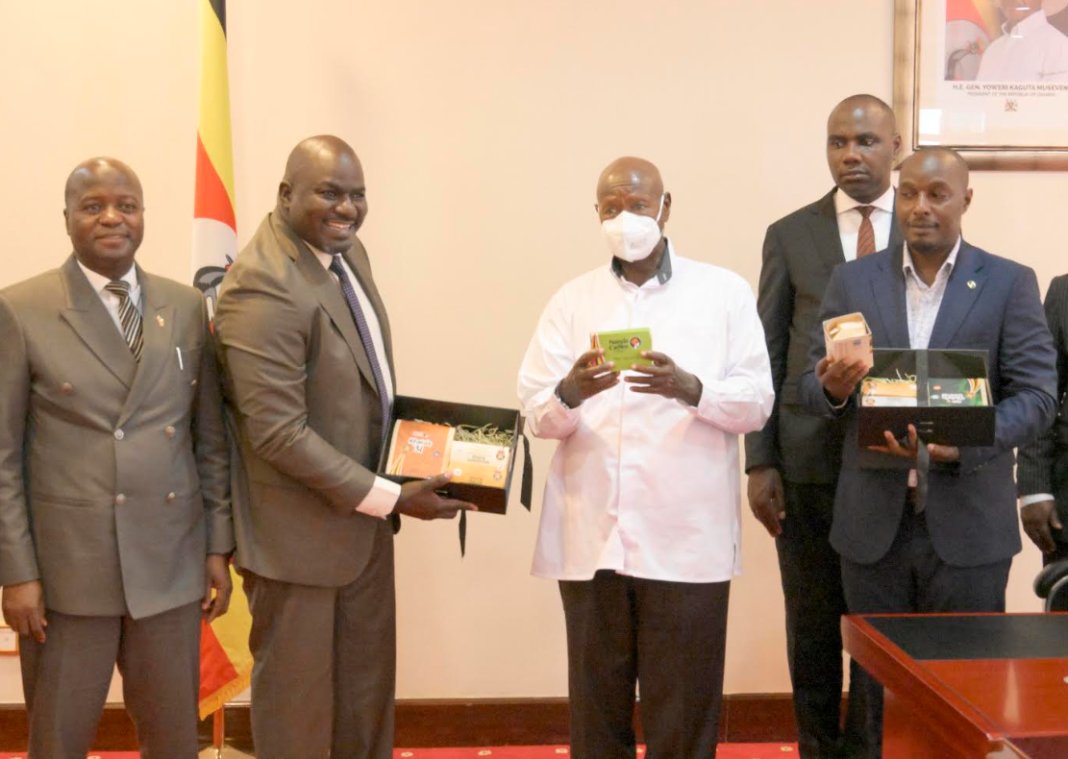
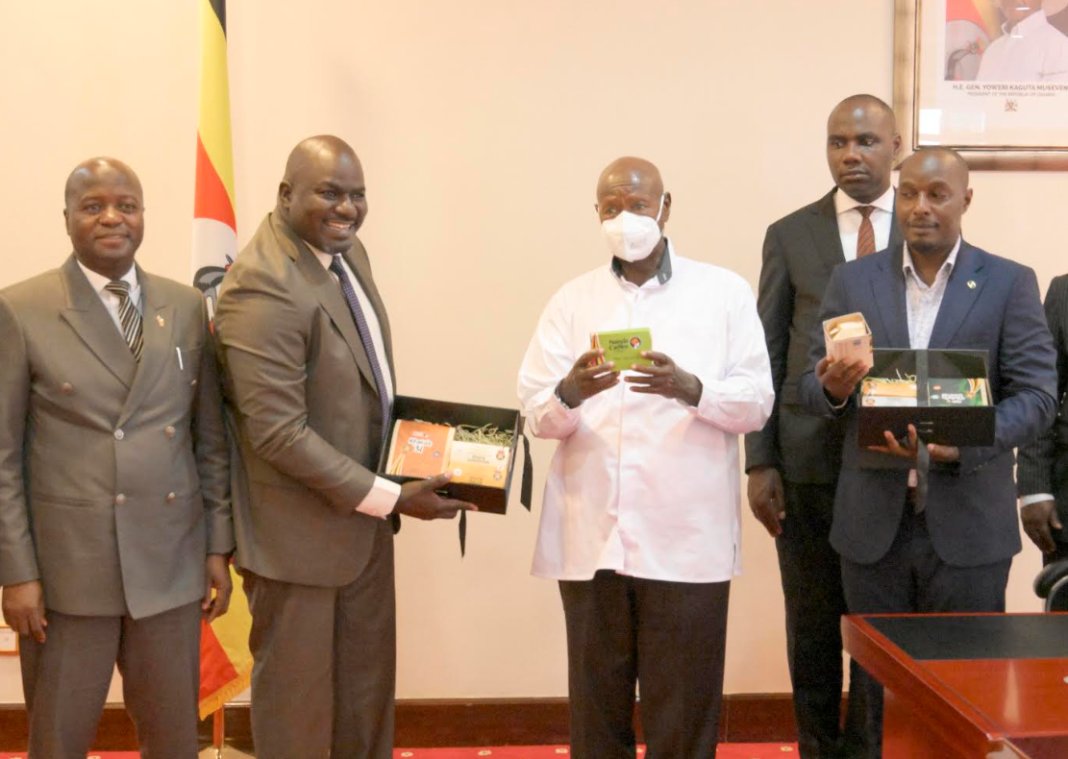
The President pledged government support for the Nonda Coffee Park — also known as the Luwero Coffee Park — during a meeting with the project's delegation at State House, Entebbe, on Monday, where officials presented progress on the facility and outlined preparations for a groundbreaking ceremony scheduled for October. The meeting was attended by Attorney General Sam Mayanja, Finance Minister Henry Musasizi, Science and Technology Minister Jonard Asiimwe, and Habib Migadde, coordinator of the Islamic Development Funds, among other officials involved in the project.
Led by chief executive officer Tonny Miiro Kibuuka, the delegation told the President the project is expected to become one of Uganda's biggest agro-industrial investments, creating jobs, expanding export opportunities and retaining a bigger share of the coffee value chain within the country. “The President has committed his support to this project, particularly in mobilising coffee farming households to prepare for the increased demand for coffee that will be required by the factory,” Miiro said after the meeting.
A 100-acre bet on value addition
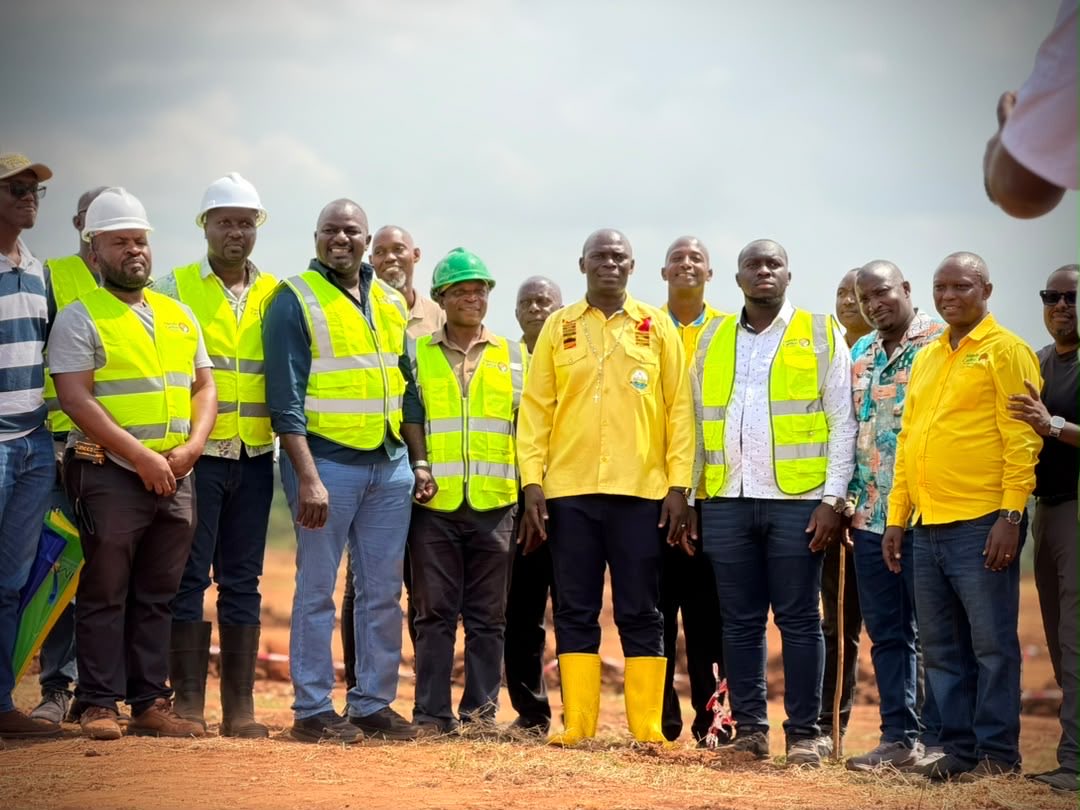
The coffee park will rise on a 100-acre site in Butalangu town council, with capacity to process 42,000 metric tons of coffee annually once complete. It forms part of the Great Uganda-Saudi Coffee Corridor under the Value-at-Source Coffee Project (VASP), a private-sector-led industrialisation initiative built on the premise that Uganda earns far less from coffee than it should by exporting mostly unprocessed green beans.
The investment is estimated at $200 million, or roughly Shs751 billion. Of that, about $160 million will go directly into developing the park and related infrastructure on the Butalangu site, Miiro said. The Government of Uganda is expected to contribute $44 million, with the balance coming from private investors in the Kingdom of Saudi Arabia. Construction has already begun with preparatory site works, and the facility is expected to be completed within 24 months.
Unlike many announced Ugandan agro-industrial projects that struggle to find buyers once built, backers say the park already has a market lined up. Processed coffee from the facility is earmarked for Saudi Arabia under an existing commercial arrangement, with Nonda Coffee already operating two Ugandan-branded coffee shops in Riyadh. “This project is already mapped to the off-take market in the Kingdom of Saudi Arabia. There is a ready market waiting for the coffee because we are the first Ugandan company to own coffee shops in the Middle East,” Miiro said. The park is projected to generate annual revenues exceeding $800 million once fully operational — a figure that, if realised, would rival Uganda's entire national coffee export earnings in some recent years.
Riding a record coffee boom
The announcement lands as Uganda's coffee sector is enjoying its strongest run in decades. The country earned roughly $2.3 billion from coffee exports in the twelve months to May 2026, after exporting 8.6 million 60-kilogramme bags — an 11 percent rise in value over the previous year. For calendar year 2025, exporters shipped 8.7 million bags worth $2.5 billion, up 71 percent in value from $1.4 billion in 2024, driven by both higher volumes and strong global prices. Uganda has in recent months been described as Africa's top coffee exporter by volume.
Yet industry analysts have long argued that Uganda captures only a fraction of the value in the global coffee trade because the vast majority of its beans leave the country green and unroasted, with roasting, blending, packaging and retail margins accruing to buyers abroad. Value addition has been a recurring theme of government economic policy, echoed in President Museveni's repeated framing of agro-industrialisation as “the medicine for poverty,” and in a wider push — spanning the Parish Development Model, Operation Wealth Creation and a raft of factory investments — to keep more of Uganda's raw-material wealth inside the country before export.
The Luwero Coffee Park is not the only large agro-industrial project taking shape in the district. Luwero has also drawn a separate, much larger Chinese-backed agricultural park anchored by Kehong Uganda Industrial Development, underscoring how the district northwest of Kampala is emerging as a hub for Uganda's agro-processing ambitions, even as the two projects are unrelated ventures with different investors and target crops.
What it means for farmers and the wider economy
For coffee farming households, the immediate promise is demand. A facility processing 42,000 tonnes a year will need a steady, large-volume supply chain, and Miiro said mobilising farmers to meet that demand — with government backing — is now central to the project's next phase. If it delivers on that promise, the park could offer smallholders more predictable buyers and potentially better farm-gate prices than the fragmented, middleman-heavy trade that has historically defined Uganda's raw coffee exports.
For the broader economy, a facility of this scale would meaningfully add to Uganda's industrial base and foreign exchange earnings at a time when the government is leaning on agriculture, along with gold, to diversify export revenue. The project also fits into the government's broader coffee-sector modernisation drive, which in recent months has included a push to register farmers and processors into a digital traceability system to meet new European Union deforestation-related import requirements — a separate but related effort to keep Ugandan coffee competitive in premium overseas markets.
But the scale of the ambition also invites scrutiny. Uganda's recent history includes several large, publicly announced agro-processing projects — from meat-processing plants to fruit factories — that have faced delays, financing gaps or slower-than-promised rollouts after their launch events. The government's own $44 million exposure to the coffee park comes at a time when its fiscal space is tight: agricultural lending conditions have tightened this year according to Bank of Uganda's own credit surveys, and other flagship programmes, including the Parish Development Model, have faced criticism over loan recovery and disbursement bottlenecks. Whether the Saudi private capital and the offtake arrangement in Riyadh materialise on the timeline promised will be the real test of the project, one that farmers, markets and government auditors alike are likely to watch closely between now and the October groundbreaking.
For now, the political signal is clear: with Museveni's personal backing secured and construction preparatory works already under way, Nakaseke's Butalangu town council is set to become the newest test case for whether Uganda can finally translate its coffee-growing strength into coffee-processing wealth.
Published By | Features Editor