Written By | Staff Writer
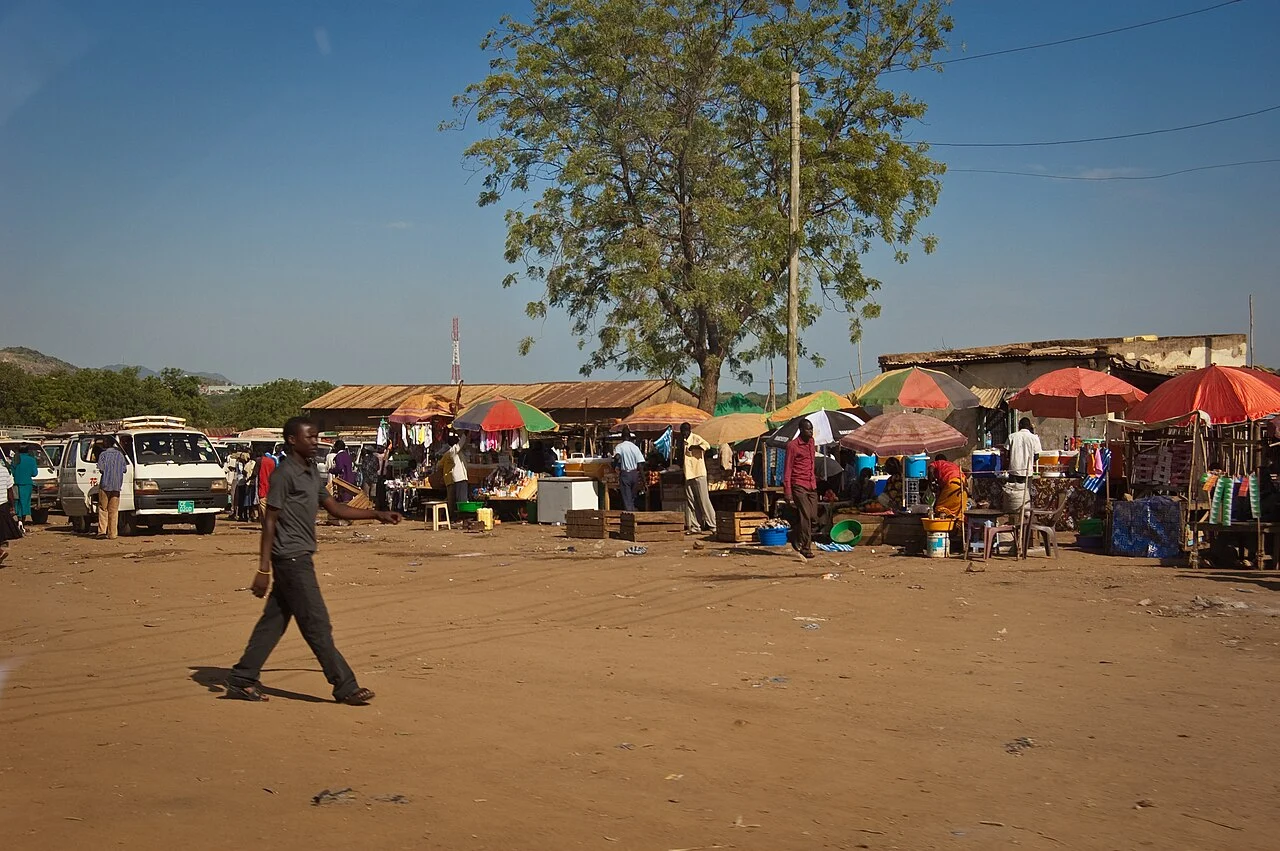
A verbal order against foreign retailers in South Sudan's capital has frightened Ugandan traders. The stakes reach well beyond the stalls, to the farmers who supply them.
Agriculture
The notice was spoken, not written, and it was later partly denied. Yet it has been enough to unsettle thousands of Ugandan traders and, behind them, the farmers who grow the onions, tomatoes, cooking bananas and grain that fill the markets of Juba. On 5 October, the caretaker commissioner of Juba County, Kalisto Lado, said at Kubri Haboba market in Gudele Two that "No foreigner shall engage in retail business in Juba County," according to The Rio Times. By Tuesday 6 October, the Daily Monitor reported, Ugandan traders were in a panic.
What was said, and what was not
The facts so far are thin and contested. The Rio Times reported on 7 October that Lado named Somalis, Ethiopians, Eritreans, Kenyans, Ugandans and other nationals, and reserved small food sales and motorcycle taxis for South Sudanese. He suggested foreigners move into wholesale, set up companies or build factories. A separate seven-day deadline applies to traders at Kubri Haboba, who must replace iron-sheet shops with concrete buildings: "No concrete, no business."
On 6 October Lado denied social-media reports that foreigners had been given seven days to leave the country, saying "The commissioner never said that" and that expulsion is beyond a commissioner's powers. The Monitor, citing Ugandan trader leaders, said the notices were verbal and that no formal document had been issued. No written order, start date or penalty has been reported. Readers should treat the situation as an announced intention, not an enforced law.
Why a retail rule matters to farmers
It is tempting to see this as a story about shopkeepers. It is also a story about farm gate prices in Uganda. The Rio Times noted that Ugandans own most of the shops and stalls in Juba's Konyo Konyo and Gumbo markets, where most foodstuffs come from Uganda, and that the notice targets food sellers such as chapati, onion and tomato vendors. The article did not quantify agricultural exports separately, and we cannot either. But the chain is clear: a Ugandan retailer in Juba is often the last link in a supply line that starts in Kabale, Mbale, Masindi or Arua and runs through trucks at Elegu and Nimule.
The headline trade numbers show how large the corridor is. According to The Rio Times, Uganda's exports to South Sudan were about US$718 million over the 12 months to August 2026, comprising roughly US$572 million in formal trade and US$146 million in informal trade. Formal exports reached US$50.0 million in August, second in Africa behind the Democratic Republic of the Congo at US$83.3 million. Informal exports rose from US$6.7 million in February to US$26.8 million in August. The reports do not break these figures down by commodity, so the farm share is unknown, but food is a central part of the trade in a country that imports much of what it eats.
The informal figure deserves attention. Informal trade is the part carried by small traders with sacks and pickups, the precise customers who buy from smallholders at the roadside and who are least able to absorb a shock. If retail is closed to Ugandan operators, one outcome is that Ugandan wholesalers continue to sell to South Sudanese retailers. The other, and the one traders fear, is that the Ugandan intermediary disappears and farmers lose a buyer who paid cash and took produce in bulk.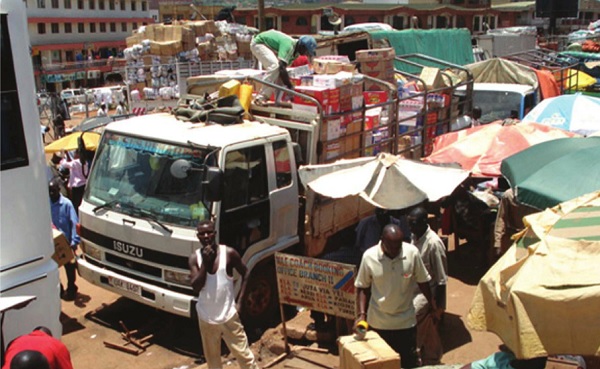
The fear behind the panic
Why would a verbal notice cause such alarm? The Rio Times reported that traders fear armed locals could seize or loot businesses, as happened during fighting in 2013 and 2016. Many Ugandans in South Sudan run groceries, boda bodas, salons and repair workshops. Memory of earlier violence turns an ambiguous administrative statement into a security concern, whatever the commissioner's authority.
There is also an enforcement ambiguity that affects trade even if nothing happens. Authority in Juba is layered, and a county commissioner's statement can be echoed, expanded or ignored by market officials, police and tax collectors. Traders typically respond to uncertainty by shipping less stock, paying for protection or closing early, which cuts orders to Uganda before any law is applied.
What it could mean for Ugandan markets
If the fear persists, the first effects would appear in perishables. Onions, tomatoes, cabbages and similar vegetables have short shelf lives, and traders who are unsure whether their shops will open next week order less. That could push volumes back into domestic markets in northern and eastern Uganda, depressing farm-gate prices for growers there. Staples that store longer, such as maize, beans and cassava flour, are better able to wait out a dispute. This is a reasoned expectation about how perishable and storable goods respond to uncertainty, not a reported outcome.
The policy response will also matter. South Sudan is a member of the East African Community, whose common market protocol is meant to allow the free movement of persons, labour and the right of establishment among partner states. The reports cited do not discuss the legal position, so we do not claim a violation. But Ugandan officials will be expected to raise it, and the Monitor's account that traders are looking for clarity suggests that Kampala's diplomatic channel is where relief is most likely to come from.
What to watch
Three things will settle whether this is a passing scare. First, whether any written directive is issued by Juba city or national authorities, with a date and penalties. Second, whether the seven-day concrete-shop deadline at Kubri Haboba is enforced, because building rules can displace traders as effectively as nationality rules. Third, whether truck movements and prices at border markets such as Elegu change in the coming week; farmers and transporters will see that signal before any official statistic.
For Uganda, the episode is a reminder of how exposed its farm economy is to one neighbour's market. A single commissioner's remarks, spoken at a market in one suburb, have travelled from Gudele Two to Kampala newsrooms in a day. They show that the value of the regional corridor depends not only on roads and tariffs but on the security of the people who stand at its end.



