Written By | Jovita Hasto
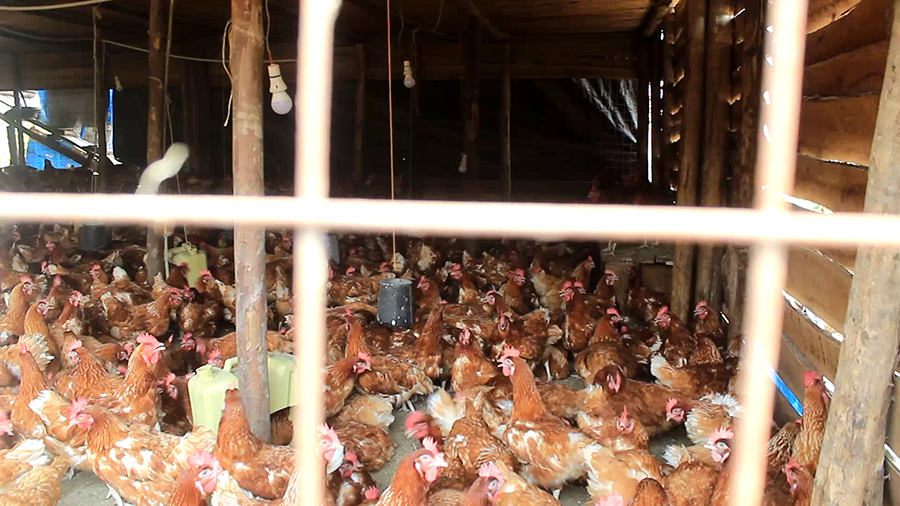
Poultry farmers in Ibanda say poor feeding practices has costed them profits. [Photos: Jovita Kyarisiima]
IBANDA
Livestock farmers in Ibanda District are counting losses due to poor farming practices, inadequate vaccination, improper feeding and poor hygiene, which have contributed to increased disease infections on their farms.
The problem has particularly affected poultry and piggery farmers, some of whom say they have struggled with suspected counterfeit vaccines sold on the market by unscrupulous dealers and administered by unqualified veterinary practitioners.
Farmers allege that some vaccines are improperly handled during storage, including being placed in direct contact with ice blocks instead of being maintained at the recommended temperatures. They say such practices compromise vaccine quality and may expose livestock to health complications after administration.
While some farmers rely on district veterinary officers for professional guidance, others have suffered disease outbreaks because of delayed vaccination and inadequate access to veterinary services.
Sr Dativa Dusabe Maria, a poultry farmer in Bisheshe Division, Ibanda District, said she had experienced disease outbreaks on her farm, which she attributed to poor vaccination and management practices.
“We are challenged by poultry diseases such as flu and chicken diarrhoea resulting from poor management by caretakers on the farms,” she said.
Dusabe Maria said delayed vaccination, inappropriate drug administration and the use of suspected counterfeit vaccines had contributed to the deaths of many birds.
“At our farm, we have poultry, piggery and goat-rearing projects. Many animals die because sometimes we vaccinate late or the drugs brought to us are expensive and fake, causing us losses twice over,” she added.
Ms Mouren Kamugisha, another farmer in Kagongo Division, said inadequate guidance on animal feeding and management had contributed to losses among farmers.
She said some farmers relied on advice from animal-feed sellers without consulting qualified veterinary or livestock-production professionals.
“The risks we face as farmers are many. For instance, if you have 100 chickens, you may expect three trays of eggs a day. However, poor feeding and vaccination can reduce production and delay the onset of laying. Instead of starting to lay eggs at five months, the birds may take seven months, making you lose interest in keeping layers,” she said.
Kamugisha attributed some infections to poor hygiene, saying certain farmers neglected the cleaning of feeding and drinking utensils while focusing on generating income from their livestock.
She added that low productivity had forced some farmers to abandon livestock projects and venture into other income-generating activities.
“Some farmers buy drugs and administer them without proper instructions from professionals, and this has cost them a lot,” she said.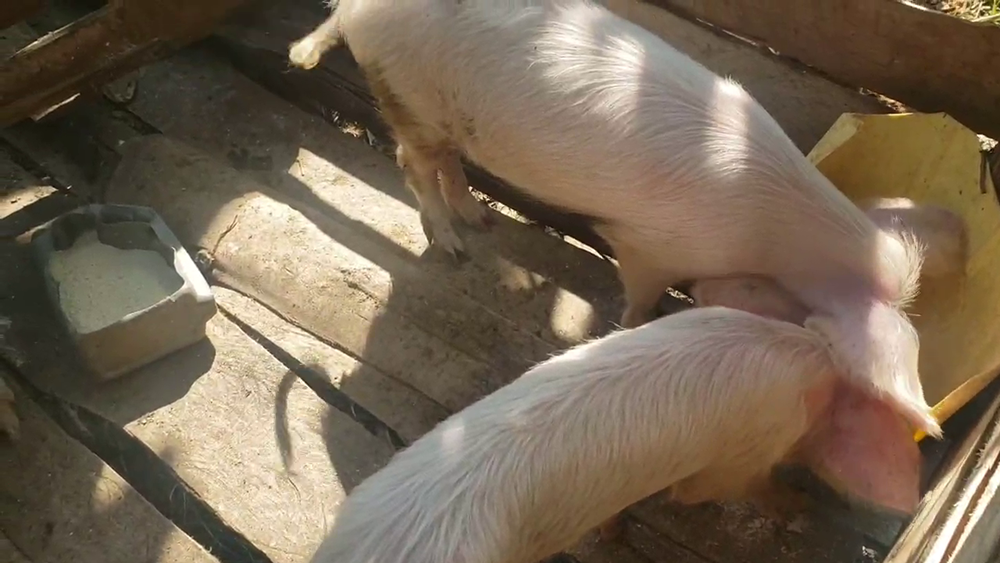
Pigs feeding at a farm in Ibanda. Piggery farmers face challenges of fake vaccines on market
Ms Regious Komugisha, a piggery farmer, said inadequate training and the high cost of animal feeds continued to affect livestock production.
She said some farmers resorted to mixing poor-quality feed rations to keep their animals alive, while others spent money on expensive drugs that later turned out to be counterfeit.
“We lack security for our animals and training on how to maintain them on our farms. We purchase expensive drugs that turn out to be fake, leading to the death of pigs. If we can get the required training, we will be able to manage our farms better,” she said.
Mr Junior Arthurbell, a poultry expert in Ibanda District, said farmers needed to prioritise quality vaccines for poultry and pigs and receive proper training on their administration.
He said suspected counterfeit vaccines continued to circulate in local markets, particularly in rural areas, where farmers were often attracted by lower prices.
“Fake vaccines are on the market in this area and are mostly introduced to farmers in villages. Sometimes the vaccines are sold with faded instruction labels, but farmers buy them because they are cheaper. This affects farmers because they cannot establish how the vaccines should be handled,” he said.
Arthurbell explained that vaccines help stimulate immunity against specific diseases but must be stored and handled according to manufacturers’ instructions to remain effective.
“Some vaccines are stored with ice blocks placed in direct contact with them, yet they require regulated temperatures. Improper storage can compromise their effectiveness, and when they are administered, they may fail to provide the expected protection, leaving animals vulnerable to infections and death,” he added.
Mr Cliffeton Manyiromujuni, a piggery expert in Ibanda Municipality, said pig farming could be profitable but required proper management, particularly in feeding, vaccination and disease prevention.
“Piggery is one of the most profitable livestock enterprises, but it becomes challenging when farmers fail to pay attention to disease control and feeding management. Farmers should vaccinate regularly while seeking advice from veterinary experts,” he said.
Manyiromujuni also warned against poor breeding practices, saying they could expose animals to infections.
He said farmers could reduce the risk of disease transmission by adopting appropriate breeding methods, including artificial insemination, under the guidance of qualified professionals.



