Written By | Staff Writer
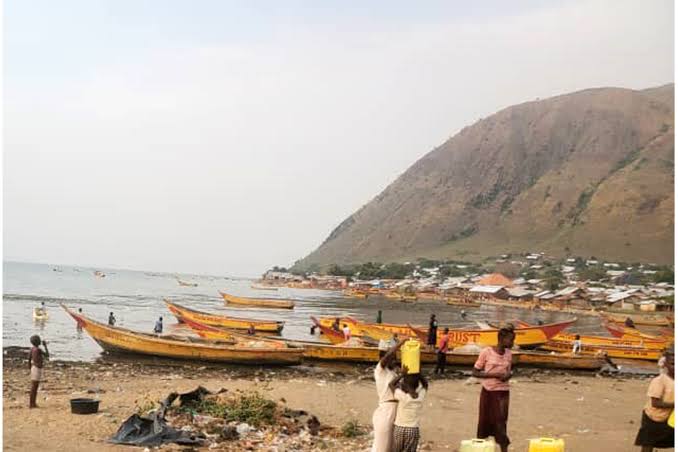
Boat caps, landing-site quotas and army patrols are meant to rebuild stocks, but fishers and the women who smoke and trade their catch say the bill is landing on them first.
Agriculture
On the shores of Lake Albert, Uganda's fisheries clean-up is no longer an abstract policy. It is a number painted on a boat, a cap on how many vessels a landing site may host, and a licence fee that many fishing households say they cannot afford. The state argues that stocks collapsed under illegal gear and overcrowding and that only hard limits can bring them back. The people on the landing sites reply that rebuilding the lake should not mean dismantling their living.
This feature looks at that tension through the rules now in force on Lake Albert and the wider Fisheries and Aquaculture Act, and at what they mean for fishers, fishmongers and the country's fish supply. It is not a story about a single day's events: the backdrop is a policy that has been rolling out since early 2026 and is now reaching deep into household budgets.
The rules on the water
Lake Albert supports more than 50,000 fishermen and produces over 100,000 tonnes of fish a year, according to The Independent's July report on the lake. Under new regulations, each landing site must have at least 100 licensed fishermen and 30 registered boats, and fishmongers must hold operating licences. The report says the UPDF has resumed oversight of fishing, that nets smaller than five inches for tilapia or seven inches for Nile perch and boats shorter than 20 feet are illegal, and that offenders face prosecution and up to eight months in jail.
In Kagadi District, the approach has been harder-edged still. An ICSF report describes a drive, following a presidential directive, to remove more than 500 boats from eight landing sites in Ndaiga sub-county: Kabukanga, Nguse, Kitebere, Songarawo, Rwebigongoro, Ndaiga, Nyamasoga and Kamiina. The district fisheries officer, Francis Xavier Gwazo, said there were about 800 boats across the sites; they will now be allowed 264 between them, 33 per site, with a maximum of 100 fishmongers at each. Seven-member management committees were set up to monitor fishing, and the Resident District Commissioner, Caroline Nanshemeza, warned: "We shall not tolerate corruption."
Further south on Lake Victoria, UPDF Deputy Chief of Defence Forces Lt Gen Sam Okiding told a security meeting in Namayingo in March that fishing without a valid work permit or with an unregistered boat could attract up to seven years in prison, that no individual may register or operate more than 10 boats at a landing site, and that new fisheries committees would operate under district security committees after the dissolution of the earlier structures. New Vision reported that immature fish worth about Shs125 million were harvested in a single day, based on a sample of three boats.
The state's case: stocks, scale and a 1.7 million tonne target
The justification is a supply gap. On 16 September, SeafoodSource reported that Uganda had activated its Fisheries and Aquaculture Act, with a target of 1.7 million tonnes of annual fish output, of which 1 million tonnes would come from aquaculture, against a current deficit of 950,000 tonnes. The Act provides for a Monitoring, Control and Surveillance Unit, a cap on the maximum number of boats per water body on Lakes Victoria, Kyoga, Edward and Albert, non-transferable species-specific licences, permits for fish maw, protection of breeding grounds and temporary closures based on scientific research. Officials have said they will intensify crackdowns on markets dealing in immature fish.
There are early signs that some enforcement is working. The Monitor reported in August that the UPDF's 155 Marines Battalion, under Maj Joseph Ssebukeera, was shifting from the water to the supply chain: targeting shops, roads, markets and forest hideouts used to supply illegal gear and immature fish, and working with the Uganda Revenue Authority at borders. Kalangala's Resident District Commissioner, Fred Badda, said catches had improved in some areas, though he also flagged pirates threatening fishers who were now catching more.
The households' case: fees, gear and debt
Lake Albert's fishers describe the other side of the ledger. In The Independent's July report, fishermen in Buliisa, Hoima and Kikuube said licence fees and approved gear were too expensive for many operators, that families were sliding deeper into poverty and struggling to pay school fees, and that fishmongers, especially women who smoke fish or trade silverfish, had lost income. Some said they feared they would not be able to repay Parish Development Model loans. Patrick Musinguzi asked government to involve fishermen in implementing rules that protect stocks without destroying livelihoods.
Lt Gen Okiding defended the regulations as necessary to restore stocks and promote sustainable fishing, and warned that people using illegal gear would be arrested. The two positions are not strictly contradictory; both want a healthier lake. The dispute is over who pays during the transition, and how long it lasts.
Where the tension bites hardest
First, boat caps convert directly into lost jobs. A site that once hosted 100 boats and now hosts 33 sheds crew, boat owners' helpers, net menders, ice sellers and fish carriers, none of whom appear in a licence register. Second, the licensing logic, with minimum numbers of licensed fishermen and boats per site and fees per operator, favours those with capital, which risks concentrating the catch among fewer, better-resourced owners. Third, women processors and traders, who dominate smoking, drying and silverfish trade, depend on volume; a smaller landing means smaller trade, and many borrowed through PDM and savings groups on the assumption of last year's catch.
Fishers in Namayingo made a related point: they welcomed reforms but asked for alternative livelihoods such as cage fish farming and lake restocking, and for regulation of illegal gear entering through porous borders. Namayingo officials reported a pilot of household fish ponds in three districts, with fingerlings and feed repaid after harvest, a model that could be scaled, though it is small against the number of people displaced from capture fishing.
What happens next
For the policy to hold, three things look necessary. Transition support should be sequenced before or alongside caps, not after: credit rescheduling for PDM and SACCO borrowers in affected sites, subsidised access to compliant nets, and a clear path into aquaculture or fish processing for displaced crew. Enforcement must be seen to be even-handed, with committees accountable to the community and a real response to corruption allegations, since the rules create new chances to demand bribes. And monitoring should be transparent: publish catch-per-effort and stock data so that communities can see whether sacrifices are rebuilding the fishery.
For consumers and the economy, the stakes are significant. Fish is a cheap source of protein, and Lake Albert's 100,000-plus tonnes contribute meaningfully to supply in western Uganda and across the border with DR Congo. If stocks recover, the Act's 1.7 million tonne ambition becomes more credible, and the processing and export sector that relies on steady throughput benefits. If livelihoods collapse faster than fish return, Uganda risks pushing fishers back into illegal fishing, the very outcome the rules are meant to prevent.
The takeaway
Uganda is attempting to reverse years of overfishing by capping effort, and the early evidence suggests that enforcement can lift catches. The harder question is distributional. Whether the clean-up succeeds will depend less on how many boats are removed than on whether the families who relied on them can find a place in the lake economy the new rules are designed to create.



