Written By | Staff Writer
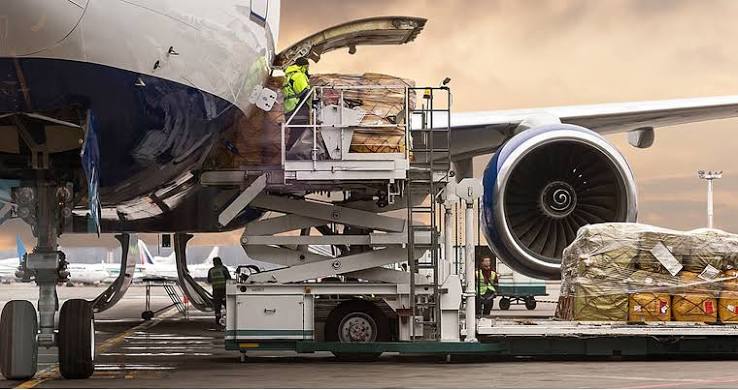
An Entebbe freight agent has been shortlisted for a global award just months after Middle East disruption cut Uganda's air exports by nearly a third.
Feature
Most Ugandans think of exports in terms of sacks of coffee and trucks at Malaba. But some of the most time-sensitive earnings leave the country in the belly of an aircraft: chilled fish fillets, cut flowers, fresh vegetables and fruit that have a matter of days before they lose value. This week, one Entebbe company in that business made international news, and the timing says a great deal about how fragile and how promising the trade is.
Jet Fresh Cargo, based in Entebbe, has been shortlisted for General Sales and Service Agent (GSSA) of the Year at the 2026 Air Cargo News Awards, according to Nile Post and 256 Business News. Six finalists are in the category: 4RCargo, ECS Group, FlyUs Aviation Group, Network Airline Services, Wexco Airfreight of the United Kingdom, and Jet Fresh. The winner will be announced on 21 October 2026 at the Royal Lancaster hotel in London, in the 42nd year of the awards. A GSSA sells and manages cargo space on behalf of airlines, so the honour is about the quality of the link between airlines and exporters, not about flying planes.
What Jet Fresh does, and why farmers should care
Jet Fresh has operated since 2023, drawing on more than 15 years of cargo experience elsewhere, according to the reports. It handles temperature-sensitive Ugandan exports, chilled and frozen meat, fish, fruits, vegetables and flowers, to more than 90 destinations across the Middle East, Europe, Asia and North America. The company offers refrigerated collection, cargo screening, cold-room storage and temperature monitoring along the chain. Its chief executive, Wail Dagash, said the nomination was a recognition of the team, and "a recognition of Uganda".
For a grower or fish exporter, those services are the difference between a sale and a write-off. A tilapia fillet loses value with every hour outside a cold chain. A rose that sits on a hot apron in Entebbe arrives in Europe or the Gulf with a shorter vase life and a lower price, or is rejected. Sachin Chavan, operations director at the seafood exporter Fresh Perch, told Nile Post that Jet Fresh is highly specialised in sensitive cargo and that in all their years working together there had been no hiccups and no quality issues. That testimonial comes from a customer rather than an independent audit, but it reflects what exporters say they need: reliability more than the lowest rate.
The Saudi route: half a million kilograms
One concrete measure of what a dedicated freight arrangement can do is the Riyadh route. Jet Fresh is Uganda's GSSA for Flynas Cargo, which operates a direct Entebbe-Riyadh service. According to 256 Business News, more than 500,000 kilograms of Ugandan fresh produce have moved to Saudi Arabia on that route since it began. Half a million kilograms is 500 tonnes, which is small next to Uganda's coffee shipments, but for perishable produce it represents a market that did not exist for many exporters before a direct flight made it viable. Direct routes matter because every transit hop adds hours, handling risk and cost.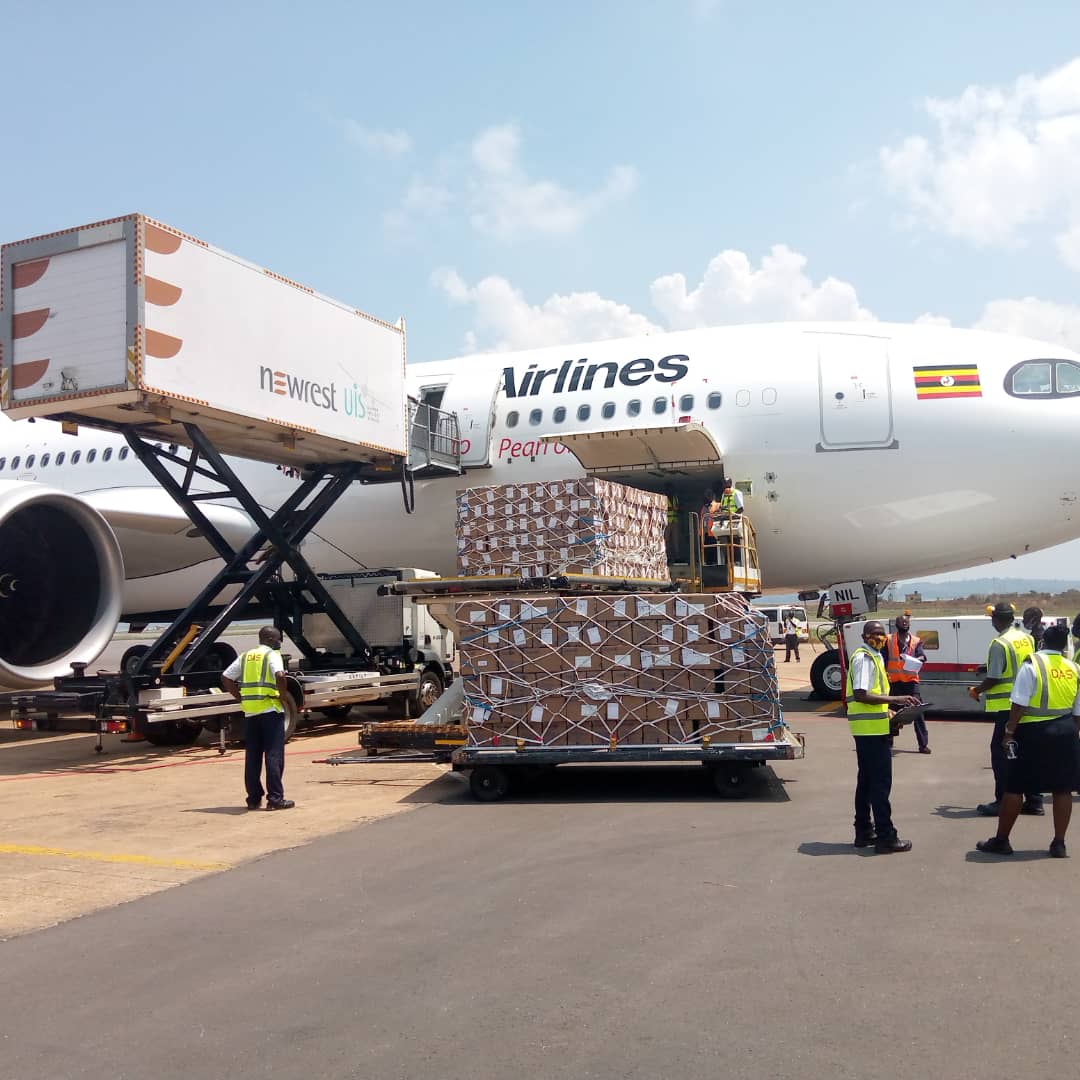
A year in which the route almost broke
The award news is best read against a hard first half of 2026. C-News reported that parts of Middle Eastern airspace were closed on 28 February 2026 amid regional tensions, and that flights out of Entebbe were disrupted. Emirates, Fly Dubai, Air Arabia, Qatar Airways and Uganda Airlines suspended or reduced operations at various points, according to the report. Those carriers link Uganda to the Gulf and, through hubs there, to the rest of the world.
The cargo numbers tell the story. In the first quarter of 2026, air exports fell 28.9 percent, from 10,534 to 7,490 metric tonnes, while imports dropped 9 percent. March was the worst month: exports collapsed 45.2 percent, from 3,886 to 2,130 tonnes, and imports fell by more than 30 percent. In April, combined exports and imports totalled 4,823 tonnes against 6,098 the year before. C-News noted that time-sensitive agricultural exports, fresh fish, vegetables and flowers, took the heaviest damage, since delays cut quality and threatened contracts held by producers on narrow margins. Its central warning was that cargo systems depend on predictable schedules and routes, so recovery can take much longer than the return of passenger traffic.
These figures are from a single trade report and cover Q1 and April only; we have not seen official data for the months since, so it is not clear how far volumes have recovered. What is clear is the scale of the shock, and how quickly it hit the people at the bottom of the chain. A flower farm or fish exporter cannot hold stock for a month waiting for capacity to return.
Implications for farmers and the wider economy
The first lesson is concentration risk. If most of a country's air-freight capacity to the Gulf and beyond routes through a few carriers and hubs, one regional crisis cuts off exporters together. Direct routes such as Entebbe-Riyadh, and a wider set of freight agents and airlines, spread that risk. That is why a nominated freight agent matters to policy as well as to business pages.
The second is the value of cold-chain infrastructure. Cold rooms at the airport, refrigerated transport from the farm gate and temperature monitoring are what allow Uganda to sell fish, meat and horticulture as premium products rather than commodities. Government has repeatedly said it wants to shift the export mix towards value-added agricultural goods, and perishables shipped by air are the most literal version of that ambition. The costs of that chain, from the cost of a cooled truck to the cost of cold storage in Entebbe, decide whether smallholders or only large estates can take part.
The third is the farmer's own position. Individual growers rarely deal with a GSSA directly. They sell to an exporter, an aggregator or a cooperative, which then buys air space. When freight collapses, as in March, the loss shows up first as a lower farm-gate offer or a cancelled order. When freight recovers, farmers benefit only if exporters pass on some of the better margin. Groups that organise supply, meet phytosanitary and quality standards and can guarantee steady volumes are best placed to secure the direct routes.
What to watch next: the London result on 21 October, whether further direct services to the Gulf or Europe are added, and whether the Civil Aviation Authority and airport operators publish cargo throughput data that lets exporters plan. A trophy will not fix a logistics chain. But a Ugandan firm sitting alongside established international agents is a reminder that the country's perishable trade is now competing on service quality in a global market, and that the ground behind it, cold rooms, reliable schedules and open airspace, is what keeps the produce fresh.



