Written By | Staff Writer
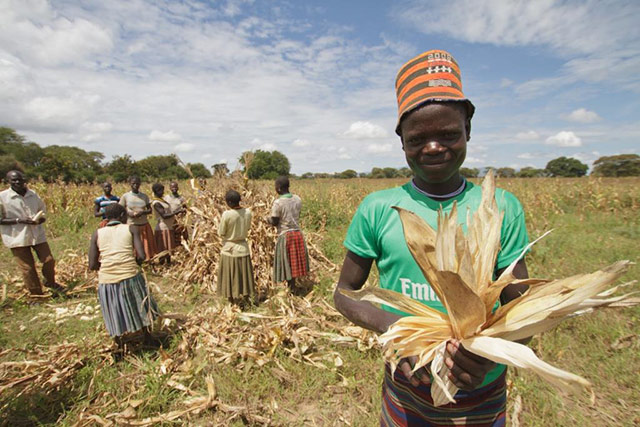
The latest IPC analysis shows food insecurity rising toward 4.4 million by the 2027 lean season, with Karamoja and refugee settlements worst hit, just as the funding that feeds them runs thin
Agriculture
On Monday 26 October 2026, Prime Minister Robinah Nabbanja launched the latest Integrated Food Security Phase Classification (IPC) analysis for Uganda alongside a joint appeal by the United Nations and partners. The headline number is stark: about 3.6 million people, around 17 percent of the population analysed, are in Crisis or worse levels of acute food insecurity from July 2026 to January 2027. During the February to June 2027 lean season, that is projected to climb to 4.4 million, or about 21 percent.
This is not a story about a single bad harvest. It is a picture of how drought, pests, livestock disease, high prices and shrinking aid are stacking up, and of a response that, by the organisers' own arithmetic, is only about a quarter funded.
What the assessment found
The IPC scale runs from Phase 1 (minimal) to Phase 5 (catastrophe or famine). Phase 3, Crisis, means households have food-consumption gaps or can only meet minimum needs by selling assets or using damaging coping strategies. Phase 4 is Emergency. Uganda's analysis was produced by the national IPC Technical Working Group, which includes the Office of the Prime Minister, the Ministries of Agriculture, Health, and Water and Environment, and the Uganda Bureau of Statistics, with FAO, WFP, UNICEF and UNHCR, plus partners including FEWS NET, World Vision, Oxfam, Action Against Hunger and Makerere University's Institute of Statistics and Applied Economics. The European Union and WFP supported it.
The drivers it names will be familiar to readers of this column: El Niño dry spells, crop pests, livestock disease, and high food and fuel prices. The report also points to financial strain on Uganda's refugee response.
Malnutrition figures are sobering. According to the pre-launch summary reported by The Independent, about 529,000 children aged 6 to 59 months are acutely malnourished and need treatment, including 103,800 severe cases, along with 327,700 pregnant and breastfeeding women. A separate account of the launch cited an estimated 465,900 children under five and 246,300 pregnant and breastfeeding women needing treatment between April 2026 and March 2027. The two sets of numbers differ and appear to reflect different measures and periods; readers should treat them as indicative until the full report is consulted.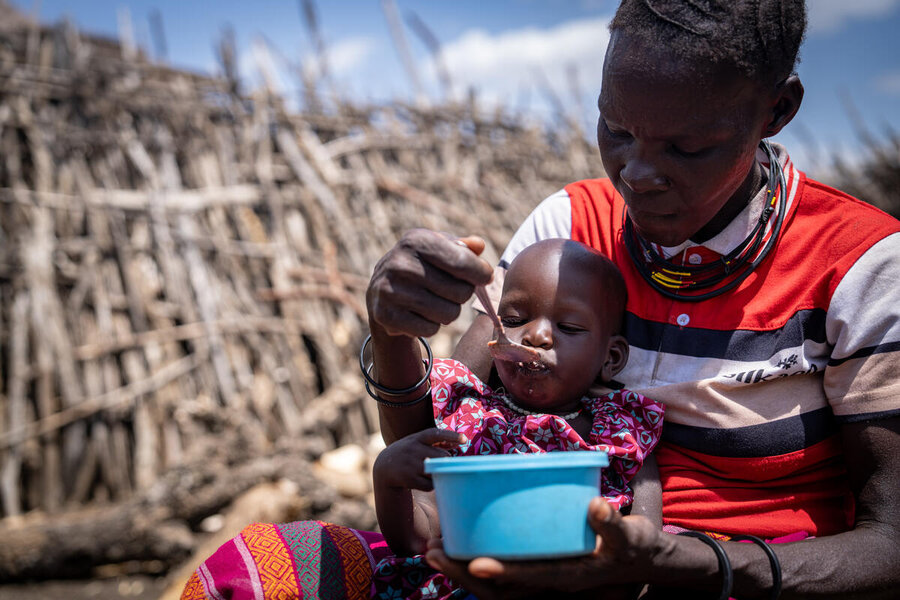
Karamoja: the epicentre
Karamoja is where the numbers are worst. The analysis found about 673,000 people, 42 percent of the sub-region's population, in Crisis or worse, the highest level since 2018 and up 200,000 since March 2026. The Rio Times, summarising the report, put about 118,000 of them in Emergency. El Niño-induced dry spells destroyed crops and pasture, and household food stocks were expected to last only about seven days.
The most troubling detail concerns assistance. Food aid reached 1.1 million people in August 2026, but from October to February it is expected to cover only about 74,000 people a month, roughly 10 percent of those in urgent need. In other words, the support that stabilised the situation this year is about to shrink dramatically just as the lean months approach.
Refugees and host communities
The refugee picture is arguably the sharper warning. Refugee settlements host an estimated 642,000 people in Crisis, and the number of refugees in Emergency rose from 16,000 to 62,000, nearly quadrupling. About 63 percent of refugees receive no food or cash assistance, and funding for refugee assistance is secured only until December 2026. In refugee-hosting districts, people in Crisis more than doubled to 756,000, and host communities face competition for work, firewood, water and land. Failed second-season harvests are expected to worsen conditions.
These findings sit uneasily beside Uganda's reputation for a progressive refugee policy that gives refugees land and freedom of movement. That model depends on aid to bridge the gap while refugee households establish farms. As rations shrink and plots stay small or unproductive in poor rains, the policy is under pressure.
The appeal and the funding gap
The joint appeal seeks about US$61 million to protect more than 500,000 people: roughly 430,000 for the El Niño response and between 130,000 and 135,000 in Karamoja, about 32,000 households. Over US$17 million has been mobilised from donors, government, UN agencies and partners, leaving a gap of about US$50 million by the organisers' figures. Response pillars include food security and livelihoods, nutrition and health, protection, water, sanitation and hygiene, and assessment and early warning.
Announcements at the launch included £2 million (about Shs11.7 billion) from the UK's FCDO, channelled through UNICEF for nutrition services in Karamoja and refugee settlements over ten months, and an additional €3 million from the European Union. Separately, the United States announced US$75 million in April 2026 for UN partners in Uganda supporting refugees, host communities and children with severe acute malnutrition, according to the Rio Times.
At the launch, Prime Minister Nabbanja urged partners to widen El Niño interventions beyond Karamoja, naming Mount Elgon and the Rwenzori region, where relocating people during heavy rains is difficult. UN Resident Coordinator Leonard Zulu noted that El Niño first brings drought and later floods, and that the UN is responding to both. Nabbanja also credited President Museveni with directing, in July, that the National Enterprise Corporation be used to bypass procurement and deliver food at parish level, and said he has since directed that irrigation be prioritised. She called for better data to target real beneficiaries.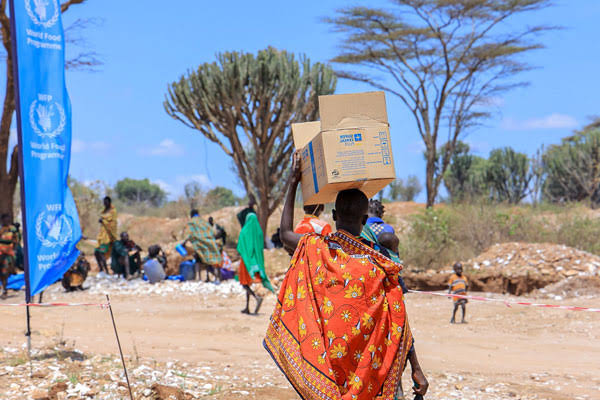
What it means for farmers and markets
For a farming economy, the IPC numbers are as much an agricultural indicator as a humanitarian one. Households in Crisis are, in most cases, producers whose harvests failed or whose incomes cannot cover the price of food. The transmission is direct: failed second-season crops reduce own-consumption and cut the surplus sold in local markets, which in turn pushes up staple prices, as seen in recent reports from Rubanda and Ntungamo. Rising fuel and input costs raise the cost of every bag moved or planted.
There is also a macro dimension. Rio Times analysis noted that coffee export earnings fell to about US$204 million in July 2026 from about US$251 million a year earlier, a reminder that farm incomes and foreign-exchange earnings are linked. With the shilling under pressure, fuel and fertiliser import costs are higher, which squeezes the same households the IPC is counting.
The government's own emphasis on irrigation and quick-maturing seed, as discussed at recent agricultural events, matches the diagnosis, but the timing matters. Irrigation schemes take years to build. The lean season arrives in February.
The questions that remain
Three issues deserve watching. First, can the roughly US$50 million gap be closed before the lean season, and will pledged funds be disbursed in time to pre-position supplies such as ready-to-use therapeutic food before rains cut road access? Second, what happens to refugee assistance after December 2026, when current funding ends? Third, will the government and partners improve targeting, as the Prime Minister urged, so that scarce food reaches the households with the greatest need rather than being spread thinly?
The recommendations in the IPC summary are conventional but urgent: scale up food, cash and nutrition assistance, prioritising Karamoja, refugees, young children and pregnant and breastfeeding women; expand screening and treatment of acute malnutrition; strengthen health services and disease surveillance, especially for malaria, diarrhoea, measles and cholera; and secure sustained donor funding. Without these, the analysts warn, conditions will worsen in the February to June 2027 lean season.
The assessment ultimately asks whether Uganda's response system can move at the speed of its own early warnings. The numbers have been published; the weeks before the lean season will show whether they trigger action.
Note: figures are drawn from press accounts of the IPC analysis and launch, which differ in places; the full IPC report was not reviewed directly. This story is a new development, distinct from earlier El Niño weather coverage in this series, and focuses on the food-security assessment and appeal.



