Agriculture
Kampala — When Upendo Malikia took over Machame Farm in Nwoya District, it covered 40 acres. Through a combination of mechanisation, disciplined record-keeping, strategic partnerships and, crucially, sustained access to bank financing, the farm has since grown to 1,300 acres — creating jobs and contributing to the local economy along the way. Her story was held up last week as the model Uganda's agricultural sector needs to replicate at scale, at the close of a three-day bootcamp in Kampala designed to do exactly that: teach agribusiness owners how to become the kind of enterprise a bank will actually lend to.
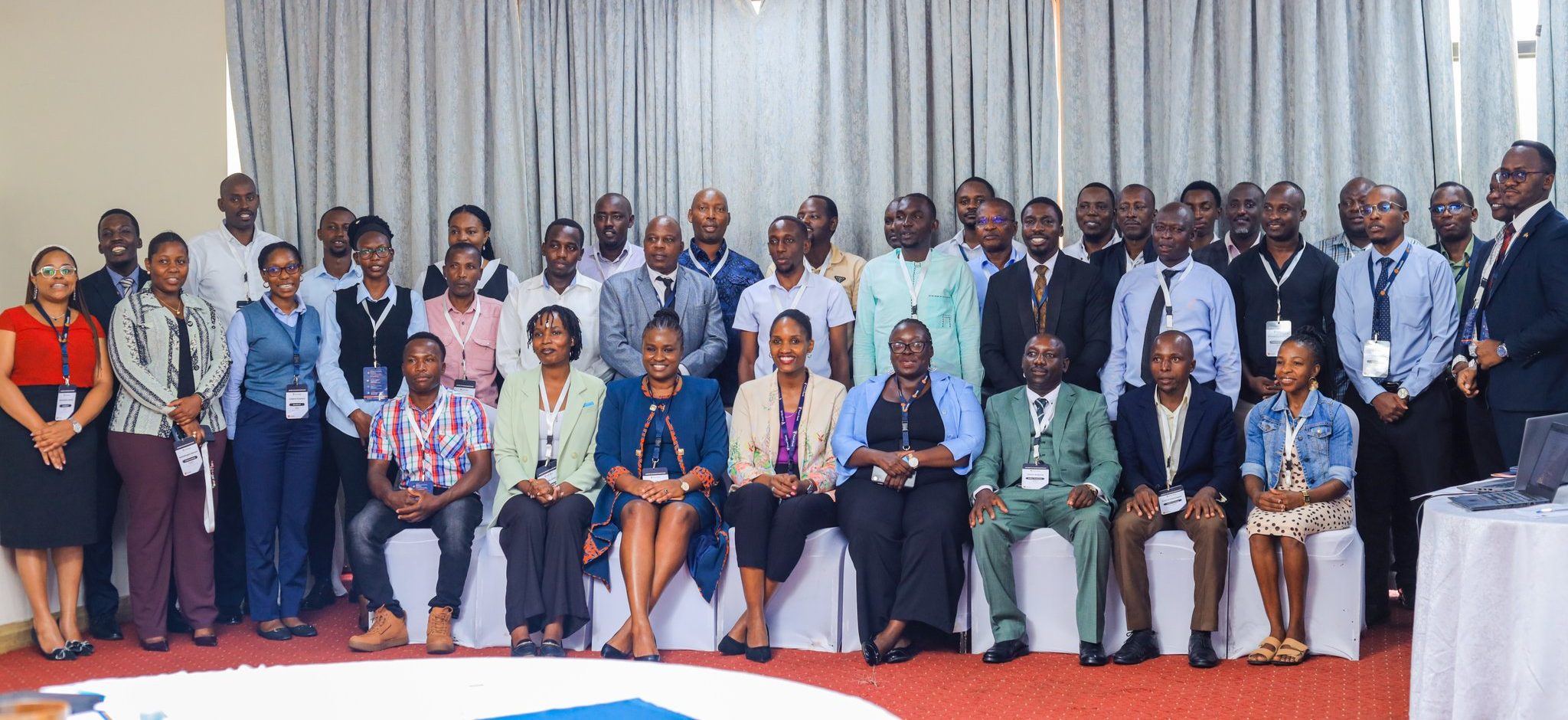
The Agri-SME Bootcamp, organised by Pearl Bank in partnership with Ronalds in Africa, brought more than 30 agribusinesses from across Uganda to Skyz Hotel in Naguru for training in corporate governance, financial management and investment readiness. On its surface, it was a routine capacity-building event of the sort Uganda's agricultural press covers often. Underneath, it is a response to one of the most persistent and least-discussed constraints on the country's agro-industrialisation ambitions: Ugandan agribusinesses, particularly small and medium-sized ones, are almost entirely locked out of formal credit.
The scale of that exclusion is stark. According to research on the sector, only about 6 percent of small-scale Ugandan agribusinesses have managed to access a loan or line of credit — compared with 44.1 percent in neighbouring Kenya. More broadly, access to credit among Uganda's agricultural households sits at just 11.3 percent, based on national Census of Agriculture data. For a sector that employs roughly 70 percent of Uganda's population — including 87 percent of working women and 63 percent of working men — and generates around 22 percent of GDP and 52 percent of total export value, that financing gap represents an enormous drag on an economy that has explicitly staked its growth strategy on agriculture.
That strategy has a name and a number attached to it. Speaking at the bootcamp's closing ceremony, Pearl Bank's Regional Head for Greater Kampala, Martin Lukyamuzi, situated the agri-SME financing push within the government's ATMS framework — Agro-industrialisation, Tourism, Mineral Development, and Science, Technology and Innovation — which aims to grow Uganda's economy from $50 billion to $500 billion by 2040. Agriculture, he said, sits at the centre of that pillar, and few things constrain it more directly than the inability of ordinary agribusinesses to raise capital.
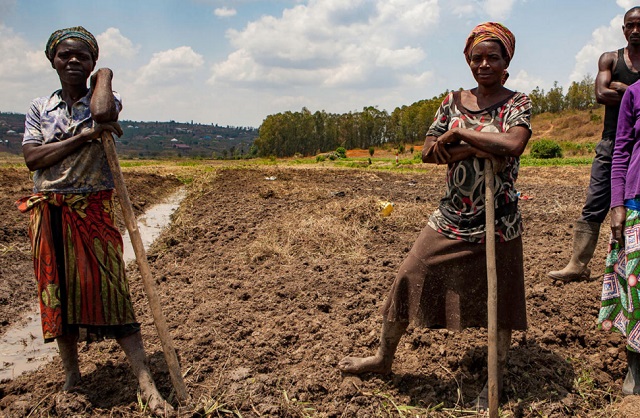
Why does the gap persist despite agriculture's obvious economic weight? Sector analysts point to a structural mismatch: large, well-capitalised agribusinesses rarely struggle to secure financing, and the smallest micro-enterprises are increasingly served by microfinance institutions and village savings groups. It is the middle tier — established small and medium agribusinesses with real growth potential but without the collateral, financial records or governance structures banks require — that falls into what development finance practitioners often call the "missing middle." Weak record-keeping, informal governance, and a lack of documented business systems mean that even fundamentally viable farms and agro-processors frequently cannot present the kind of investment case a commercial bank's risk committee will approve. Women- and youth-led enterprises face an additional layer of marginalisation, often struggling even more than their peers to meet standard lender requirements.
The bootcamp curriculum was built directly around closing that documentation and governance gap rather than simply directing participants toward available loan products. Training covered strengthening internal business systems, improving governance structures, and — in Lukyamuzi's phrase — becoming "investment-ready," a term that has become something of a watchword among Uganda's agricultural financiers. The idea is that capital is not, in fact, entirely absent from the market; a scatter of facilities exists, including USAID Feed the Future's Risk Capital facility, One Acre Fund's SRV Facility, FSD Uganda's Deal Flow Facility, and the Uganda government's own Agricultural Credit Facility. What is missing, more often, is agribusinesses capable of meeting those facilities' basic due-diligence requirements.
Laban Musinguzi, Chief Executive Officer of the GRO Foundation, pushed participants to think beyond financing access alone, challenging farmers to move up the value chain rather than remain primary producers selling raw, unprocessed commodities. Understanding market demand — both domestic and regional export markets — would let Ugandan farmers capture more value and compete more effectively, he argued, a point that dovetails with a broader conversation happening elsewhere in Uganda's agricultural policy circles about the country's chronic underinvestment in value addition and its continued reliance on exporting raw produce rather than processed goods.
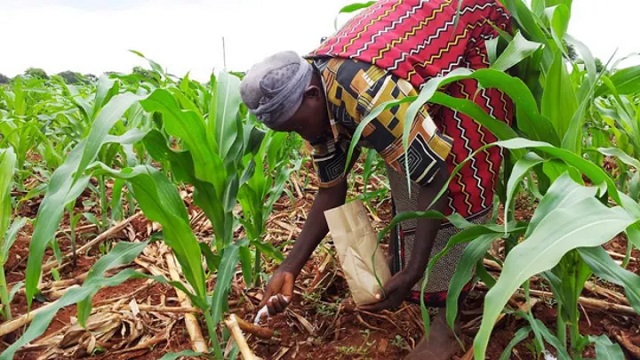
Malikia's Machame Farm case study was deployed at the bootcamp precisely because it demonstrates what happens when those pieces come together. The expansion from 40 to 1,300 acres was not, on her account, the product of a single large loan, but of a compounding cycle: mechanisation increased output, sound record-keeping made that output legible to lenders, strategic partnerships opened doors, and each round of financing from Pearl Bank funded the next stage of growth. The result, she said, has been higher production, new jobs, and measurable socio-economic change in Nwoya District — a rural part of northern Uganda where opportunities for that kind of enterprise growth remain relatively rare.
Pearl Bank's involvement fits a wider pattern of commercial and development banks in Uganda positioning agricultural lending as both a business opportunity and a policy contribution. The bank reaffirmed at the event its intention to keep expanding financial products aimed at promoting financial inclusion, food security, job creation and regional trade — language that mirrors government's own framing of agro-industrialisation as the anchor of Uganda's next phase of economic growth. Whether that translates into a meaningfully narrower financing gap depends on more than training sessions; it requires sustained follow-through from lenders willing to actually underwrite the businesses that complete such programmes, and continued investment from agribusinesses themselves in the unglamorous back-office work of governance and financial reporting that makes lending decisions possible in the first place.
For now, the Agri-SME Bootcamp offers a small but concrete data point in a sector desperately short of them: 30-plus agribusinesses walked away with structured guidance on becoming bankable, at a moment when Uganda's broader economic strategy depends on agriculture absorbing far more capital than it currently does. If Malikia's trajectory from 40 acres to 1,300 is replicated even modestly across that cohort, the bootcamp will have done more for Uganda's rural economy than its modest, three-day footprint might suggest. If it is not, the 6-percent credit-access statistic that opened the conversation will remain the more accurate description of the sector's reality.
Published By | Features Editor