Written By | Our Reporter
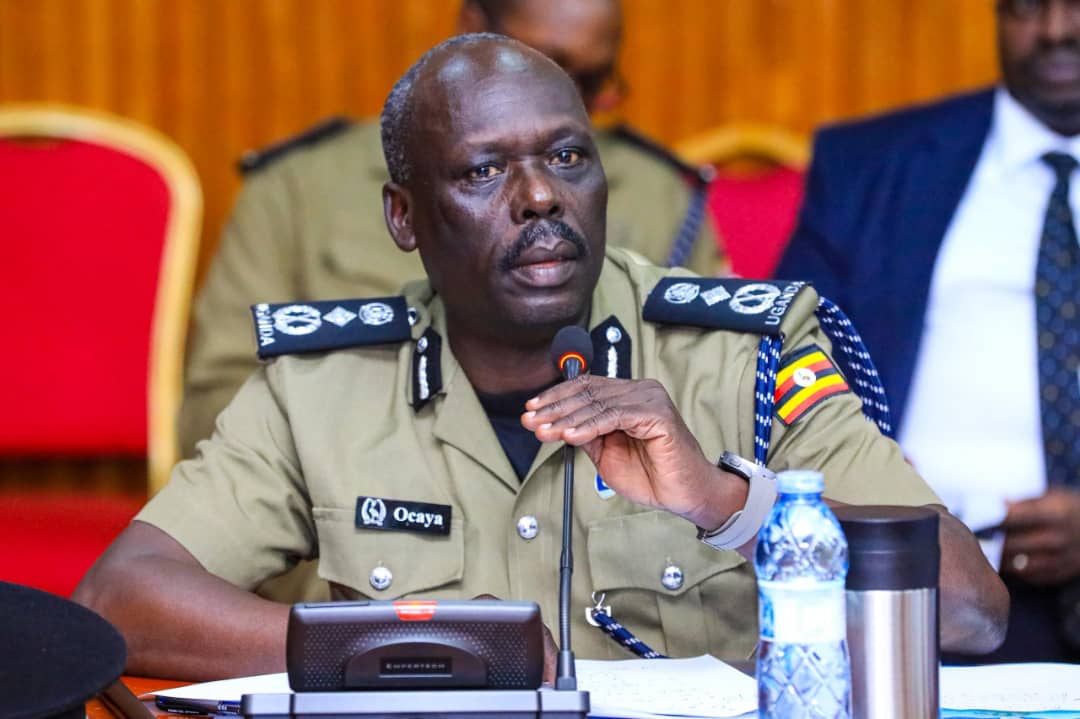
Deputy Inspector General of Police James Ochaya while appearing before Parliament’s Public Accounts Committee (PAC) on March 10. [All Photos: Parliament]
PARLIAMENT
The Uganda Police Force has launched investigations into reports that some police stations are charging members of the public for canine services, despite the services officially being free.
The revelation was made by Deputy Inspector General of Police James Ochaya while appearing before Parliament’s Public Accounts Committee (PAC) on March 10, 2026 during scrutiny of the December 2025 report by Edward Akol, the Office of the Auditor General of Uganda.
Ochaya’s remarks followed complaints raised by Silas Aogon, the Member of Parliament for Kumi Municipality, who said residents in his constituency are charged an average of UGX300,000 whenever they seek the services of police sniffer dogs during criminal investigations.
“Whenever there is an issue and somebody needs to pick the dog, they tell you that you have to pay. I think this is happening across the country, not only in my constituency,” Aogon said. “They charge about UGX300,000 per user. Isn’t that too much?”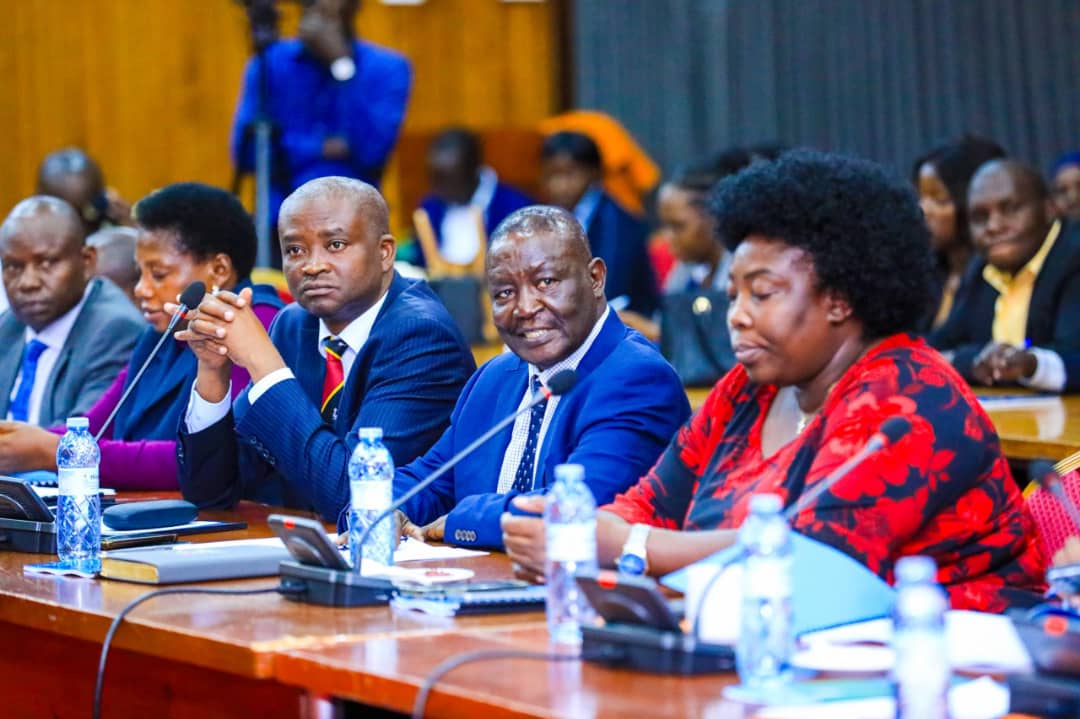
Police Leadership Expresses Surprise
In response, Ochaya said he was surprised to learn that officers were charging for the canine services, which are supposed to be provided free of charge to the public.
“Canine services? These are free services. I don’t know how this is happening with our officers,” Ochaya told the committee.
He added that the police leadership would investigate the matter and take corrective action.
“I am also wondering why this is happening because these services are free. We shall investigate, find out where the problem is and rectify it,” he said.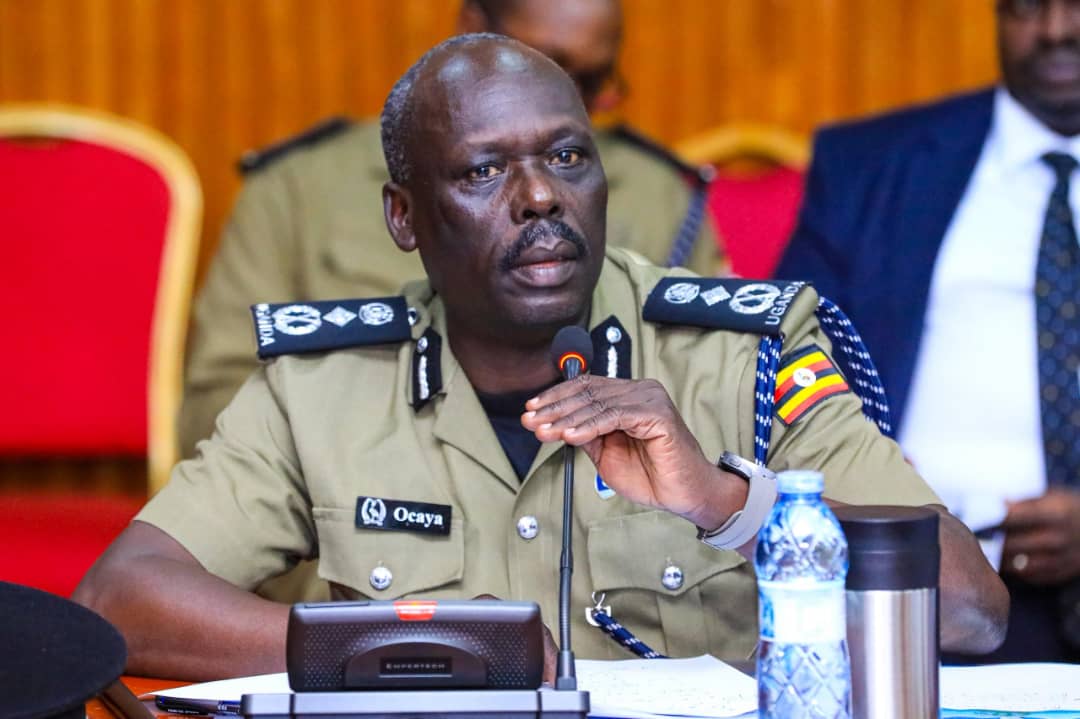
MPs Say Charges Are Widespread
However, Members of Parliament insisted that the charges are widespread across the country, with many voters frequently calling their leaders for financial assistance to access canine services.
Aogon said the situation has raised concerns about the ability of police leadership to monitor activities at police stations.
“We don’t know whether you inspect and monitor the services you take to communities. I have travelled across the country and the dog has to be paid for,” he said.
The Vice Chairperson of PAC, Gorreth Namugga, also revealed that residents in Ssembabule District regularly pay for the same services.
“It has never been free. We are giving you information—the dogs are paid for, and very expensively. You need to update the community on what it takes for a common person to get that dog,” Namugga said.
Similarly, Xavier Kyooma, MP for Ibanda North County, said the high costs have forced residents to form groups that pool resources whenever they need canine services.
“Because these dogs are expensive, people have formed groups to contribute money so that when a crime happens they can afford the service. Yet the money collected is not reflected in the police financial records,” Kyooma said.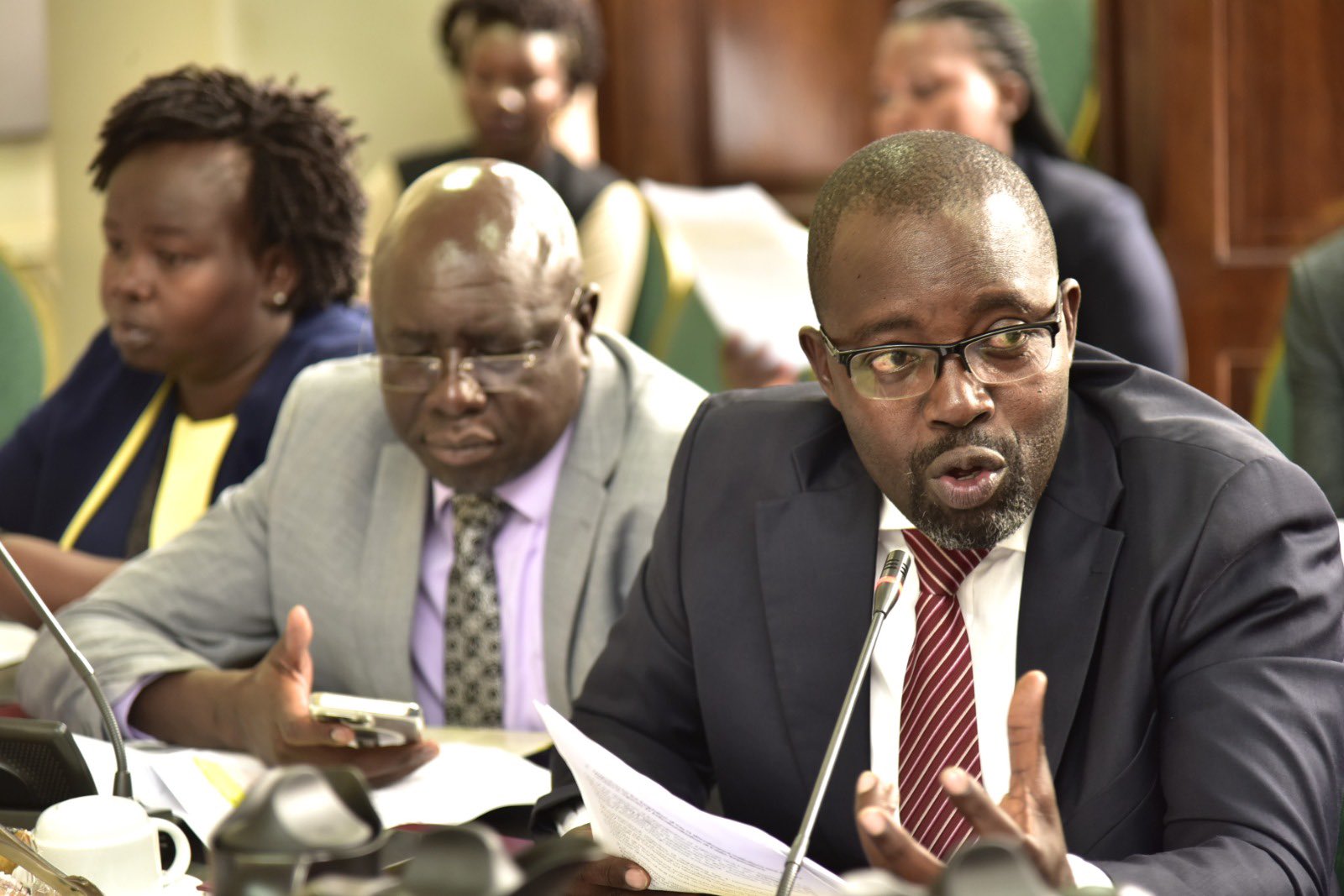
Xavier Kyooma
Police Cite Transport Constraints
Appearing before the committee, Aggrey Wunyi, the Undersecretary of the Uganda Police Force, suggested that the charges could be linked to the cost of transporting canine units to crime scenes, especially in areas far from police stations.
He said the force is addressing the problem by procuring specialised transport equipment that will facilitate the deployment of canine units, particularly in rural areas.
However, Herbert Tayebwa, MP for Kashongi County, rejected the explanation, arguing that the fees charged appear uniform regardless of the distance involved.
“I think the issue is not about transport because they charge almost the same amount even if the station is about 500 metres away from the scene. People still pay around UGX200,000,” Tayebwa said.
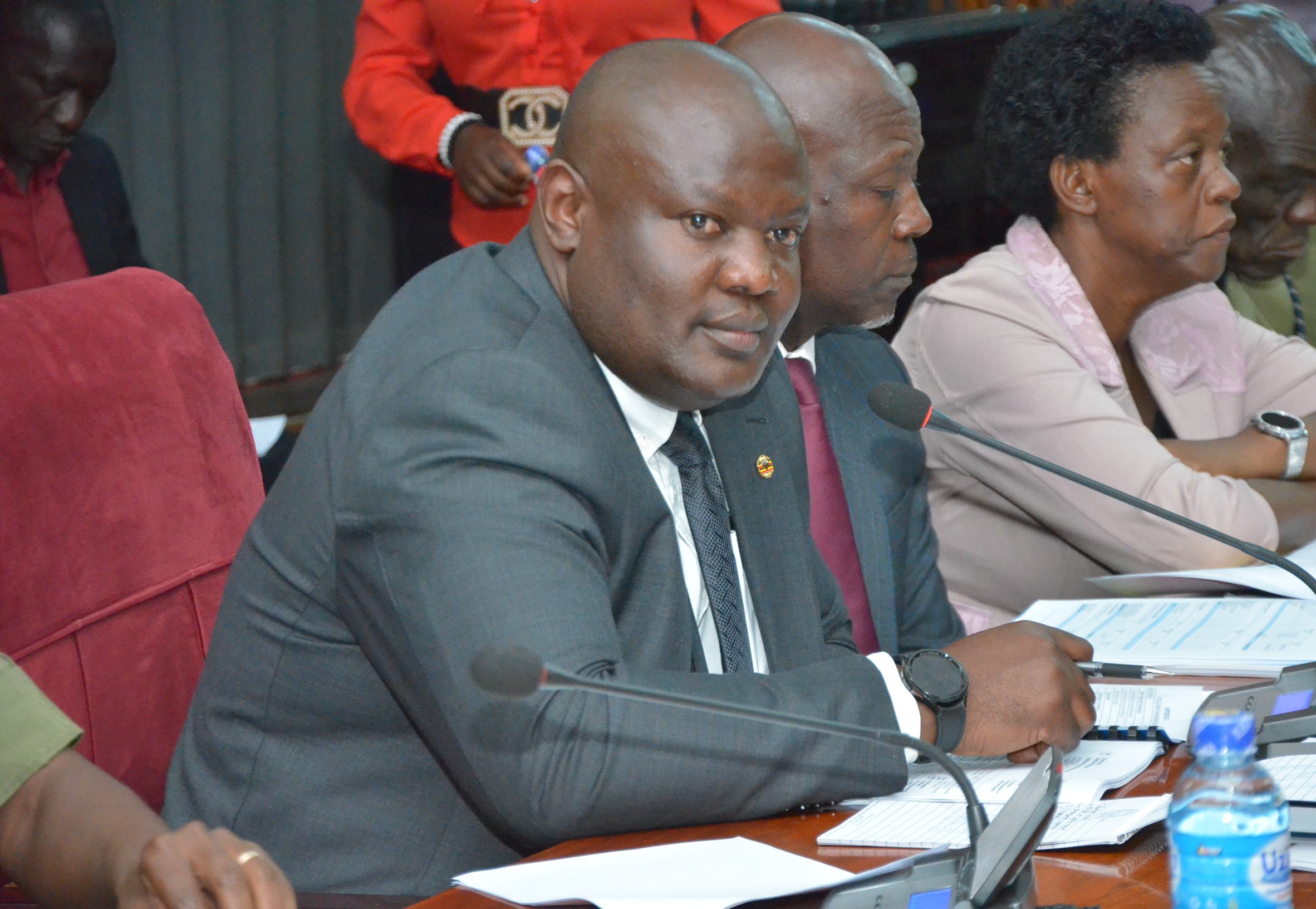
Aggrey Wunyi, Undersecretary of the Uganda Police
MPs Demand Public Awareness
Wunyi told the committee that the issue had previously been raised in Parliament and that police had clarified that canine services are free.
“We came here last time and recorded that dog services are free, and we informed the public. We now have about 95 percent coverage of canine services across the country,” Wunyi said.
He added that members of the public who continue paying for the services may be unintentionally encouraging the illegal practice.
But Susan Amero, the Woman MP for Amuria District, criticised the police for failing to adequately inform the public about the free services.
“If people knew that these dogs are free, they would not be paying. Government has radio stations and airtime for public programmes, but you do not pass this information to the people,” Amero said.
Susan Amero
She further suggested that if police intended to charge for the service, the money should be officially receipted and declared as non-tax revenue for government.
“But when people request the dogs, they are told the animals need fuel and other things. I don’t know when dogs started taking fuel,” she said.
The committee directed the police leadership to investigate the allegations and report back with findings on the alleged illegal charges.
Torch Media Africa



