Written By |
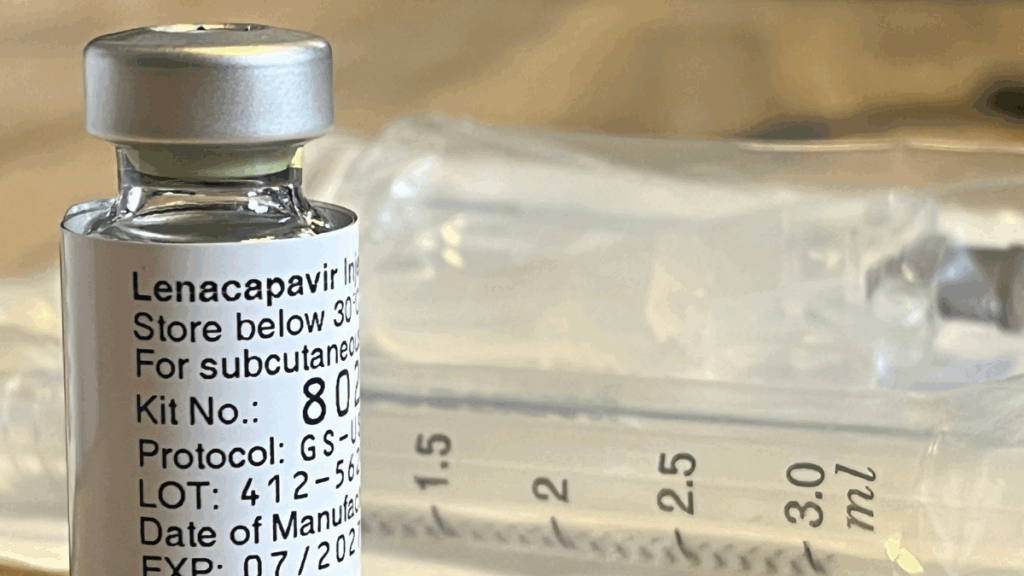
South Africa has become the first African country — and our medicines regulator the third worldwide — to register the revolutionary twice-a-year anti-HIV jab, lenacapavir (LEN). (File: BHEKISISA)
Johanesburg
South Africa has made a major breakthrough in the fight against HIV after becoming the first African country — and only the third worldwide — to approve the revolutionary twice-a-year HIV prevention injection, lenacapavir (LEN). The South African Health Products Regulatory Authority (SAHPRA) approved LEN on October 21, marking a significant milestone toward reducing new HIV infections and ultimately ending AIDS.
SAHPRA Chief Executive Officer, Dr. Boitumelo Semete-Makokotlela, described lenacapavir’s approval as “a game changer, given the high HIV infection rate in South Africa,” noting that the jab is currently the most effective HIV-prevention method available.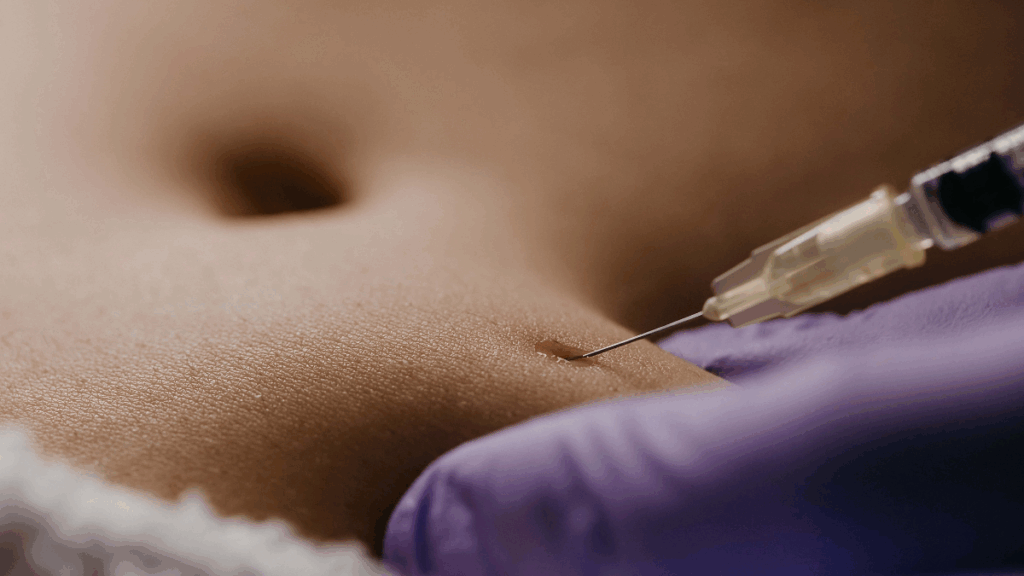
Lenacapavir is injected under the skin once every six months
What lenacapavir does
Lenacapavir is injected under the skin once every six months. The drug prevents HIV from replicating by blocking the virus from hijacking the body’s immune cells. It has been registered for HIV-negative individuals weighing at least 35kg. Clinical data from South Africa’s Desmond Tutu Health Foundation shows the drug is safe for pregnant and breastfeeding women — a group at high risk of infection — though SAHPRA will continue reviewing further evidence.
Fast-track approval
SAHPRA approved the drug in just 65 days — one of the fastest regulatory turnarounds in the country’s history — supported by an international process that accelerates approval of critical medicines.
Lenacapavir has already been approved for HIV prevention in the United States and Europe under the brand names Yeztugo and Yeytuo.
Roll-out expected next year
Government plans indicate that health facilities could begin administering the injection as early as February 2026. The initial supply — funded through a US$29.2 million (about R520 million) grant from the Global Fund — will cover 464,360 people over the first two years. Distribution will prioritize 22 high-burden districts that have successfully implemented existing HIV prevention services. Lenacapavir will be available alongside daily pre-exposure prophylaxis (PrEP) pills, giving users more choice in HIV prevention.
Pricing and access
Lenacapavir’s manufacturer, Gilead Sciences, has not yet announced the local pricing for either public or private healthcare markets. However, the Health Ministry plans a second procurement phase in 2027 using more affordable generic versions priced at approximately US$40 (about R692) per person per year.
The government is also in discussions to enable South African pharmaceutical companies to manufacture the drug locally — though initial attempts fell short due to the complexity of producing its active pharmaceutical ingredients.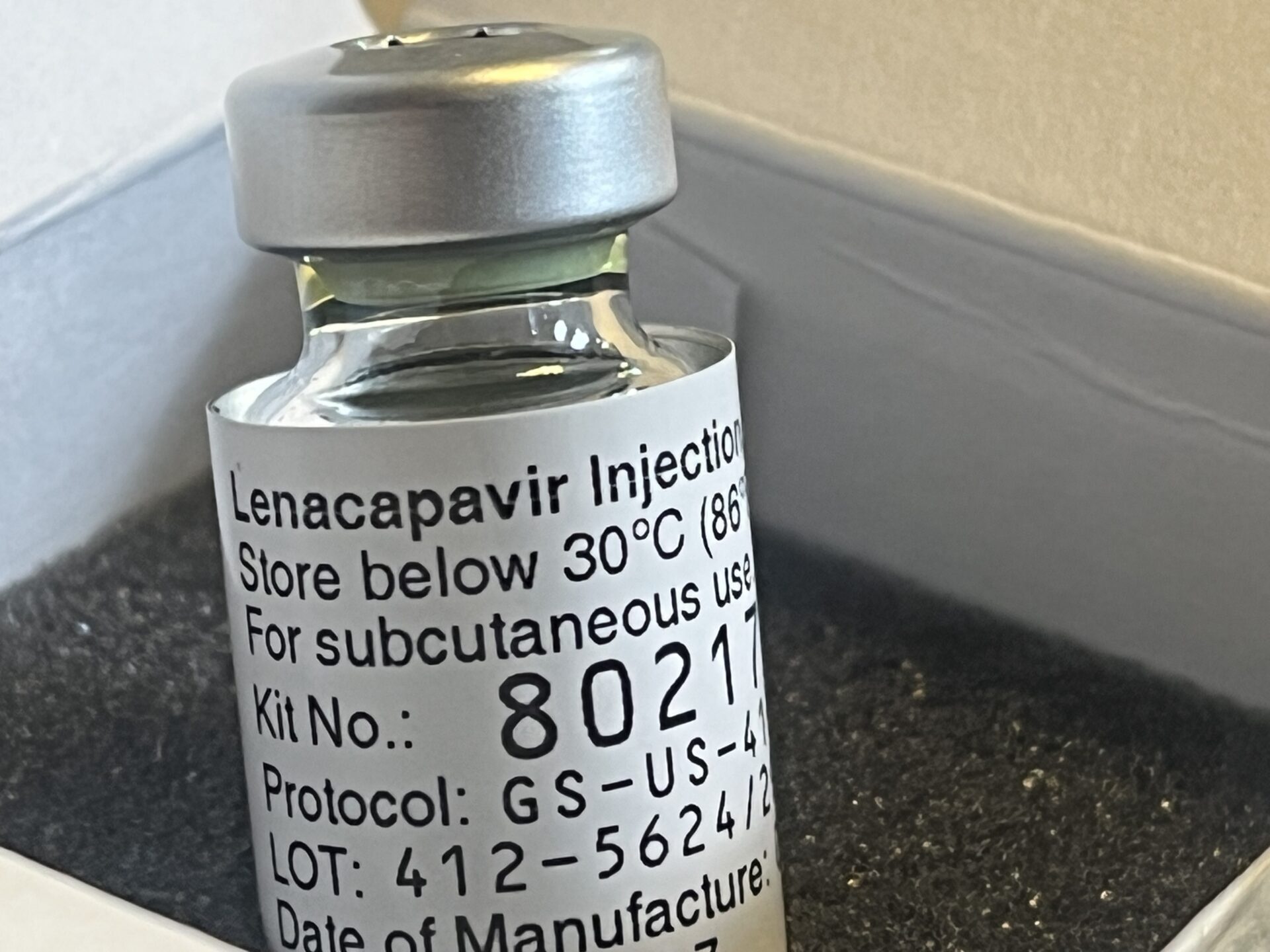
The revolutionary twice-a-year anti-HIV jab, lenacapavir (LEN)
A leap forward — but not yet enough
South Africa still records one of the highest HIV infection rates in the world. Modeling from Wits University suggests the country would need up to two million doses annually to end AIDS within the next two decades.
Health Minister Dr. Aaron Motsoaledi said government is preparing long-term financing to scale up supply once prices drop, and is hopeful for further support from partners such as PEPFAR.
What South Africa’s approval means for Uganda and East Africa
South Africa’s rapid approval of lenacapavir could pave the way for faster access across the East African region — including Uganda, where HIV prevalence remains among the highest in the world.
Key Implications for Uganda
Regulatory momentum
Uganda’s National Drug Authority could use Sahpra’s assessment data to speed up its own approval process, reducing time-to-market for the jab.
Funding pathways already exist
Uganda is one of the largest African recipients of Global Fund and PEPFAR HIV financing. If donors support lenacapavir rollout regionally, Uganda could be included early in procurement plans.
Boost for high-risk groups
Young women and adolescent girls — who account for a large proportion of Uganda’s new infections — could benefit most from a discreet, twice-yearly prevention option.
Improved adherence
Long-acting injections can help overcome the challenge of daily PrEP pill adherence, especially in rural communities.
The Numbers: Uganda (2024 Estimates)
1.4 million people living with HIV
84,000 new infections annually
Teen girls & young women: 3× more likely to acquire HIV than their male peers
Over 1 million people currently on ARVs
Possible rollout timeline
If Uganda follows a similar regulatory and donor-supported pathway:
2026–2027: NDA evaluation and phased introduction in targeted high-burden districts
2028 onward: Wider national access as generics become available
Challenges Ahead
Pricing certainty still pending from Gilead
Cold-chain and storage capacity for remote facilities
Community sensitisation to build trust and demand
Why it matters: East Africa remains the world’s most HIV-affected region. A twice-yearly, highly effective injection could significantly reduce new infections — but only with timely access and sustained investment.
SOURCE: BHEKISISA CENTER FOR HEALTH JOURNALISM
Click for More Details
Torch Media Africa



