Written By |
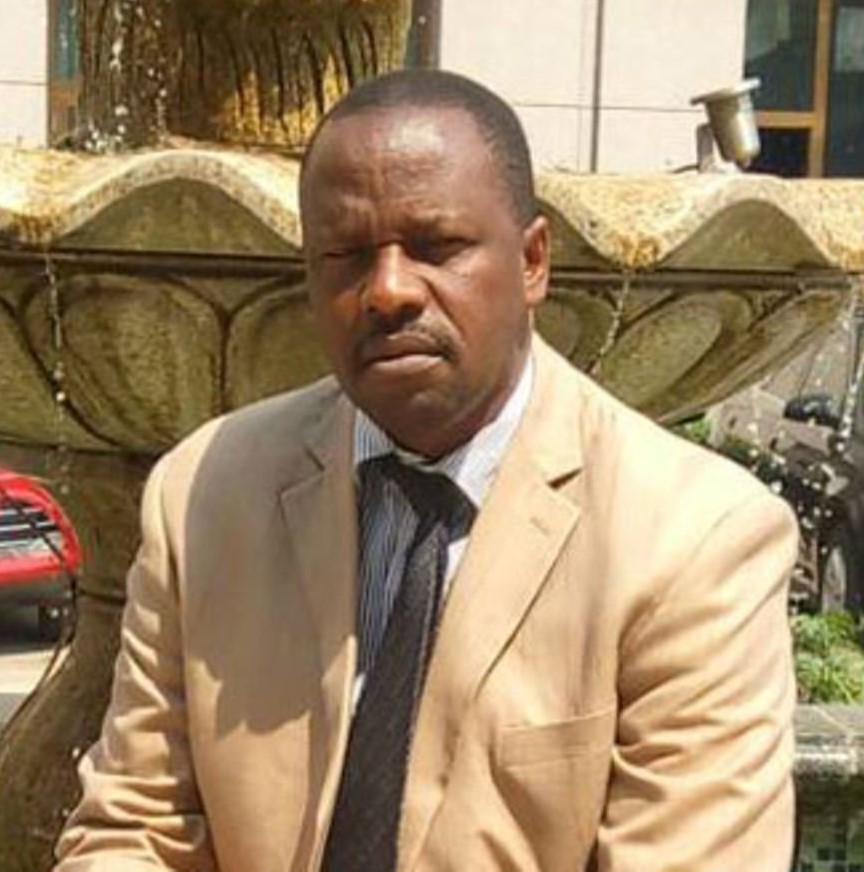
Bushenyi RDC Emmy Ngabirano
By Our Reporter
Bushenyi
As the nationwide strike by Arts and Humanities teachers under the Uganda Professional Humanities Teachers Union (UPHTU) enters its second week, Bushenyi Resident District Commissioner (RDC) Emmy Ngabirano has appealed to striking teachers to refrain from harassing colleagues who have chosen to continue teaching.
The industrial action, which began on June 6, is in protest of what teachers describe as persistent salary disparities and government neglect. The strike involves thousands of teachers from government secondary schools, Primary Teachers' Colleges (PTCs), National Teachers' Colleges (NTCs), and Uganda Colleges of Commerce (UCCs).
Addressing the matter, RDC Ngabirano acknowledged the teachers’ right to express dissatisfaction but emphasized the importance of peaceful protest and mutual respect.
“They have the right to strike, but let no one be harassed or intimidated. Those who choose to continue teaching also have the right to work,” Ngabirano said in an interview.
He further urged teachers to balance their welfare concerns with the need to sustain essential services such as education, especially as government efforts to resolve the crisis continue.
Why are teachers protesting?
The strike follows longstanding frustrations over unequal pay between Arts and Science teachers. In July 2022, the government significantly increased salaries for science teachers, raising pay for science degree holders from UGX 1.2 million to about UGX 4 million. However, Arts teachers with the same qualifications continue to earn between UGX 900,000 and UGX 960,000—creating a pay gap of more than four times.
According to UPHTU leaders, the strike is not politically motivated but a demand for fairness and recognition for all educators, regardless of the subject taught.
“We are not returning to class until our concerns are addressed. It’s a question of equal pay for equal qualifications,” said Teopista Akello, the National Chairperson of UPHTU.
Godfrey Osenda, National Chairperson of UPHTU SACCO, recently stated that the union had given the government a 90-day ultimatum which expired on June 1, with no tangible response received.
A growing national concern
Across the country, regional UPHTU leaders have echoed the national call. In Kabale, UPHTU Treasurer Praise Twebaze said the union remains united in its cause.
“It is demoralizing to earn less than half of what our science colleagues earn, even though we share the same training, workload, and staffrooms,” he said.
In Ankole region, teachers are demanding salaries of UGX 4 million for Arts degree holders and UGX 2.4 million for diploma holders, in line with what their science counterparts currently earn. Similar demands have emerged in Lango, West Nile, and Masaka, with strike declarations made in nearly every region.
Government's response
The Ministry of Public Service and the Ministry of Education and Sports have acknowledged the teachers’ grievances. They attribute the delay in salary harmonization to budgetary limitations and have proposed a phased implementation plan stretching through the 2026/27 financial year.
The Uganda National Teachers' Union (UNATU), though not leading the strike, has voiced support for salary equity and revealed that Parliament is considering proposals to raise the minimum teacher salary to UGX 1.3 million.
However, UPHTU remains firm, arguing that the government has had ample time and resources to address the disparities.
“The economy is now worth over UGX 226 trillion annually. We believe there is fiscal space to pay all teachers fairly,” Osenda added.
What’s at stake
With over 10,000 Arts teachers now off duty, the strike has already disrupted lessons across the country. In many schools, headteachers and science teachers are struggling to keep classes running—especially for S4 and S6 candidates. While RDC Ngabirano’s message of peace and mutual respect has resonated locally, pressure is mounting on the government to quickly resolve the impasse.
“If the government does not act fast, we might see students miss out on key learning and exams. The longer this goes on, the worse the impact on our education system,” warned a headteacher from Sheema District.
Torch Media Africa



