In the turbulent aftermath of Uganda’s January 15, 2026 elections, something extraordinary occurred: senior U.S. Senators Jeanne Shaheen and Cory Booker publicly called for the immediate release of opposition leader Dr. Kizza Besigye, declaring the vote a “severe blow to democratic governance.” Their statement highlighted fear, restrictions, and systemic measures that, they said, undermined fundamental democratic principles. Such open criticism from Washington has put the long-serving regime of President Yoweri Museveni under unprecedented international spotlight.
This episode does not occur in isolation but resonates within a broader historical pattern through which the United States has sought to influence — and in some cases, reshape — governance in states it views as veering away from democratic norms. For Uganda, already entangled in longstanding political tensions, this new layer of external pressure adds to both domestic and geopolitical vulnerabilities.
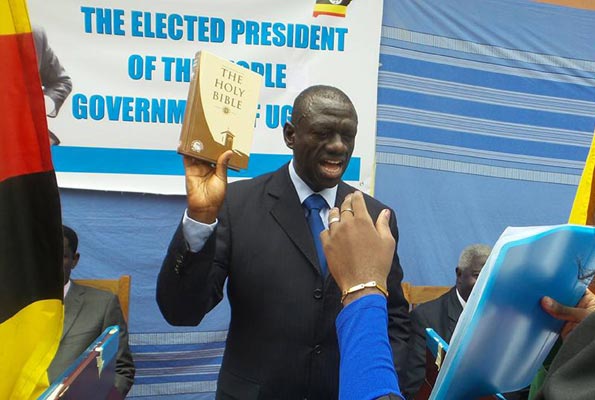
Kizza Besigye swore himself in after the 2016 elections, which he believed had been rigged
American Instruments of Influence: Sanctions, Aid Cuts, and Diplomatic Pressure
For decades, U.S. foreign policy toward governments accused of repression has centred on a core set of tools:
1. Targeted Sanctions and Travel Restrictions
Washington has imposed sanctions against several high-profile Ugandan officials on grounds of corruption and human rights abuses. Individuals sanctioned include:
Anita Among, Speaker of Parliament
Mary Goretti Kitutu and Agnes Nandutu, former ministers
Amos Lugoloobi, State Minister of Finance
Lt. Gen. Peter Elwelu, former deputy chief of defence, designated for rights violations
These measures, mainly in the form of visa bans and asset restrictions, symbolise diplomatic disapproval while narrowing elite access to Western financial systems. (jurist.org)
2. Conditional Funding and Aid Suspension
Washington has reviewed and, in certain cases, cut development assistance and preferential trade access, citing governance concerns. In 2023, Uganda was removed from the African Growth and Opportunity Act (AGOA), reducing duty-free market access for key exports. Such punitive measures constrain economic flexibility and investor confidence.
3. Diplomacy and Public Reproach
Public statements by U.S. lawmakers serve two functions: they publicly delegitimise a target government’s conduct and signal to international audiences that the regime’s global partnerships may be weakening.
The ICC and the Bashir Precedent: Legal Obligations and Failures
International legal accountability has also intersected with Uganda’s diplomatic record. When Sudanese President Omar al-Bashir — wanted by the International Criminal Court (ICC) on charges including genocide, war crimes, and crimes against humanity — visited Uganda in 2016 and 2017, Kampala did not arrest him.
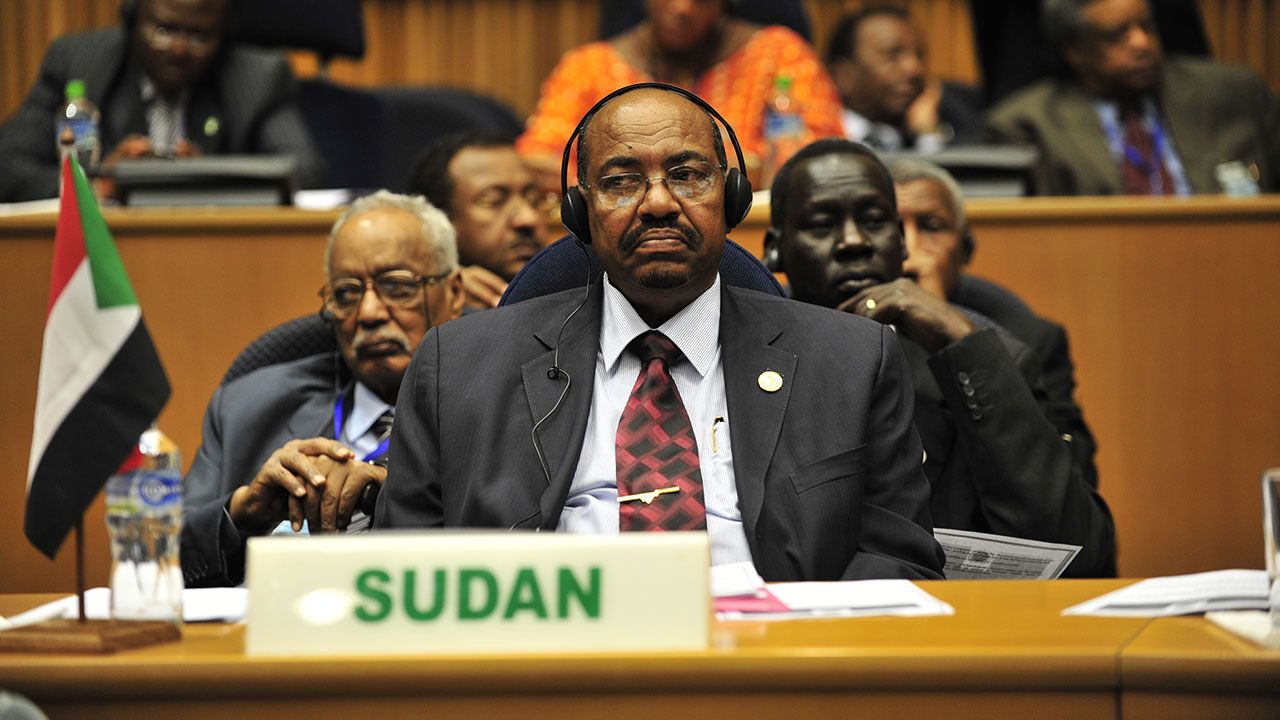
Bashir, former Sudan President
The ICC’s Pre-Trial Chamber found that Uganda failed to comply with its obligation as a State Party to arrest and surrender Bashir when he was present on its territory, referring the matter to the UN Security Council and the Assembly of States Parties to the Rome Statute. (icc-cpi.int)
Bashir’s indictment dates back to 2009 and 2010 for atrocities committed in Darfur, yet Uganda’s refusal to detain him — despite domestic legislation incorporating the Rome Statute — drew international scrutiny and criticism from rights organisations such as Amnesty International. (amnesty.org)
Sanctions, Aid Cutbacks, and Multilateral Financial Pressure
Uganda’s strained relationship with the U.S. and other Western partners has material economic consequences:
Following the passage of the controversial Anti-Homosexuality Act, the World Bank suspended new funding until inclusive safeguards were agreed.
IMF engagement and concessional loan programmes have similarly been pressured by human rights benchmarks, complicating Kampala’s fiscal policy planning.
These measures reflect a broader trend: international financial institutions often align funding conditions with governance criteria, particularly where donor countries exert influence in multilateral structures. Such alignment can leave small states in a bind, forced to prioritise external political demands over domestic policy autonomy.
Historical Comparisons: Sanctions and Regime Change in Africa
Across the continent, sustained external pressure — from diplomatic isolation to sanctions and legal accountability — has factored into regime shifts:
Sudan: Omar al-Bashir’s rule ended after years of domestic protests and a military coup. ICC indictments and international isolation weakened the regime’s legitimacy.
Libya: In 2011, United Nations-mandated sanctions and a no-fly zone facilitated military action against Muammar Gaddafi, accelerating the collapse of his regime following violent repression of internal uprisings.
Idi Amin — Uganda (1979): Western disengagement, including the UK and Israel, combined with domestic unrest, contributed to Amin’s overthrow.
These cases demonstrate that while external influence does not deterministically trigger regime change, it significantly alters the geopolitical landscape within which domestic forces operate.
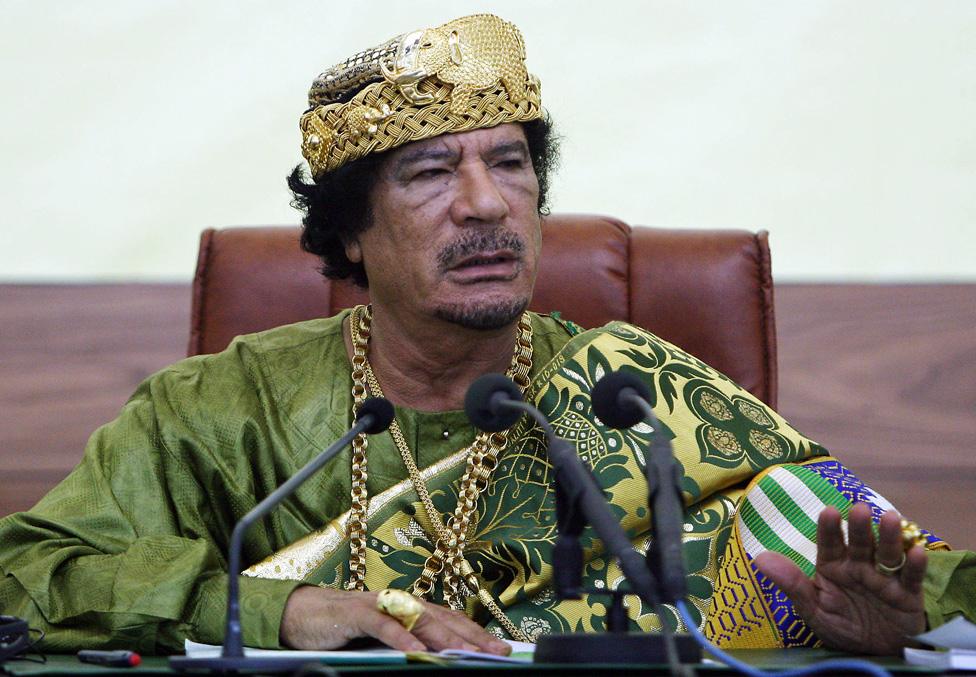
Muammar Gaddafi
Strategic Diversification: Russia, China, Japan, Korea
In recent years, Uganda has sought to balance Western pressure by deepening ties with non-Western powers:
Russia: Engaging in political and economic cooperation, including through participation in BRICS dialogues and security partnerships.
China: A longstanding partner on infrastructure projects and trade, often with fewer political conditions.
Japan and South Korea: Emerging partners, particularly in energy and technology sectors.
While these partnerships offer alternatives to Western funding and diplomatic engagement, historical patterns indicate that alliances with powerful states do not always shield smaller countries from broader geopolitical pressures when global norms or strategic interests are implicated.
Conclusion
The United States’ outspoken criticism of Uganda’s 2026 elections and its demand for the release of detained opposition figures are not isolated diplomatic gestures — they are part of a broader historical pattern of American and multilateral efforts to hold governments accountable for democratic erosion and rights abuses.
Sanctions on Ugandan officials for corruption and rights abuses, suspension of trade preferences, and public rebukes reflect that Kampala is under sustained international scrutiny. Uganda’s failure to arrest Omar al-Bashir when he visited — leading to findings of non-compliance with ICC obligations — adds a layer of legal and reputational risk, illustrating how international legal expectations intersect with diplomatic pressure. Combined with fiscal constraints linked to human rights benchmarks and evolving global alignments, Uganda’s political leadership now faces a complex matrix of external and internal challenges.
Scholars predict that, without genuine democratic reforms, continued diplomatic isolation could deepen economic strain, weaken institutional legitimacy, and amplify domestic dissent. Strategic diversification of international partnerships offers only partial insulation; history shows that backing from powerful states is often transactional and may shift with changing global interests.
As Kampala navigates these competing currents, the future of its governance, economic stability, and regional influence will depend on whether it can reconcile domestic political choices with the realities of international accountability and multilateral expectations.
About the Writer
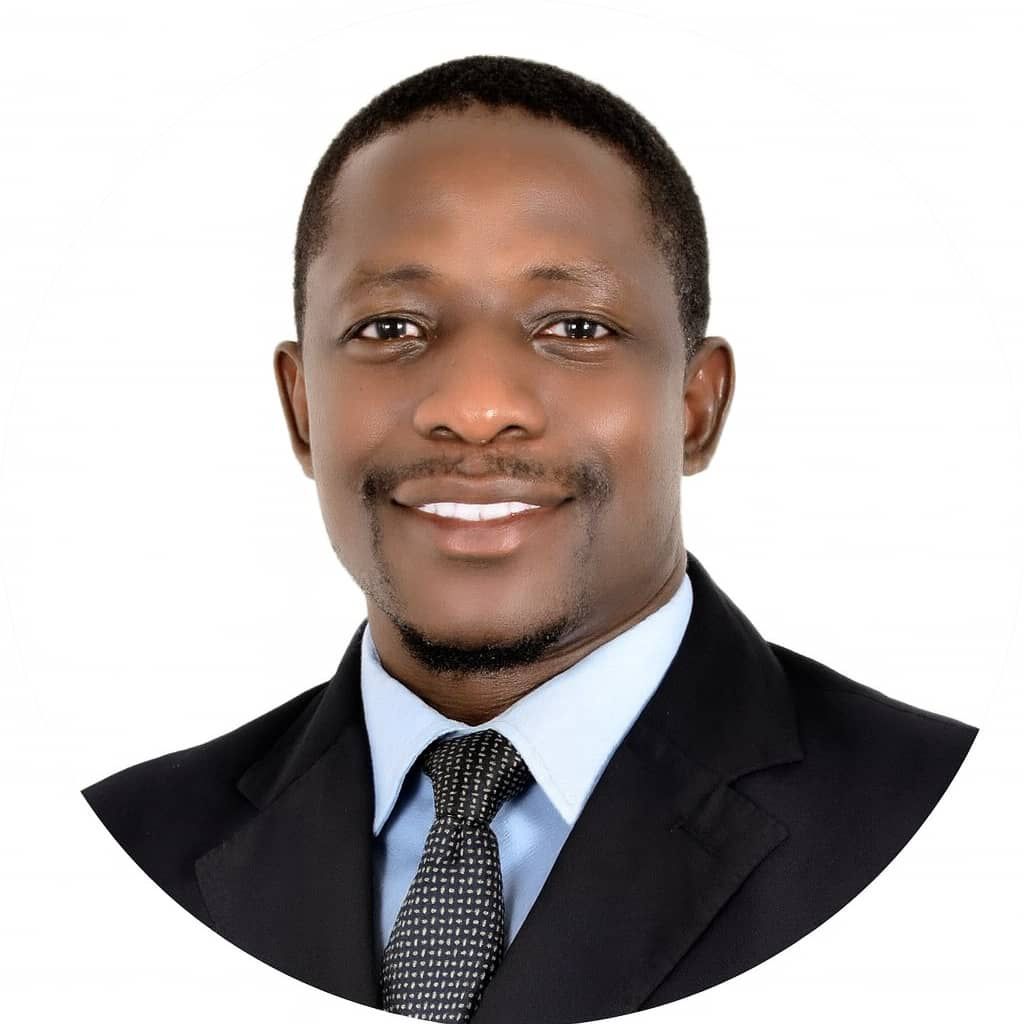
Evan Sande Ndahura is a Ugandan political and legal commentator, columnist, poet, and social justice advocate whose writings focus on governance, constitutionalism, democracy, and the political economy of power in Africa. He is widely published on issues of judicial accountability, electoral justice, human rights, and institutional reform, with a particular emphasis on Uganda’s political and legal systems. Ndahura writes from a Pan-African critical perspective, interrogating the failures of state institutions and the lived realities of ordinary citizens under entrenched systems of power. He believes that the liberation of Africa will occur through a mighty pen, not the gun.
Torch Media Africa
Published By | Features Editor