Written By |

Sustainable weight loss is not about deprivation; it’s about smart choices, consistent habits, and a balanced lifestyle
By Kamara Daniel
Have you ever wondered why you’re not shedding the kilos despite eating “healthy”? The truth is, weight management is about much more than just choosing the right foods. It’s about when you eat, how you eat, and the small lifestyle habits you often overlook.
As a nutritionist, I see it every day — people frustrated by stagnant scales, not realizing that metabolism, meal timing, physical activity, and even stress levels play huge roles in achieving and maintaining a healthy weight.
The Right Foods — And Why They Matter
Certain foods naturally support weight loss because they boost metabolism, improve satiety, and provide sustained energy.
Lean Proteins: Think chicken breast, fish, tofu, and beans. High-protein foods help build muscle — and more muscle means you burn more calories even at rest. They also keep you feeling full longer, reducing the temptation to snack.
Fruits & Vegetables: Apples, berries, spinach, broccoli, sukuma wiki, and nakatti are low in calories but rich in fibre, vitamins, and minerals. Fibre slows digestion and keeps you satisfied.
Whole Grains: Options like quinoa, brown rice, oats, and millet are packed with fibre, which aids digestion and helps stabilize blood sugar levels — preventing those sudden hunger pangs and unhealthy cravings.
Nuts & Seeds: Almonds, pumpkin seeds, walnuts, groundnuts, chia, and flaxseeds provide healthy fats, protein, and fibre — a triple threat for feeling fuller for longer.
Plain Yogurt: High in protein and probiotics, it supports gut health, aids digestion, and makes a smart, low-calorie snack.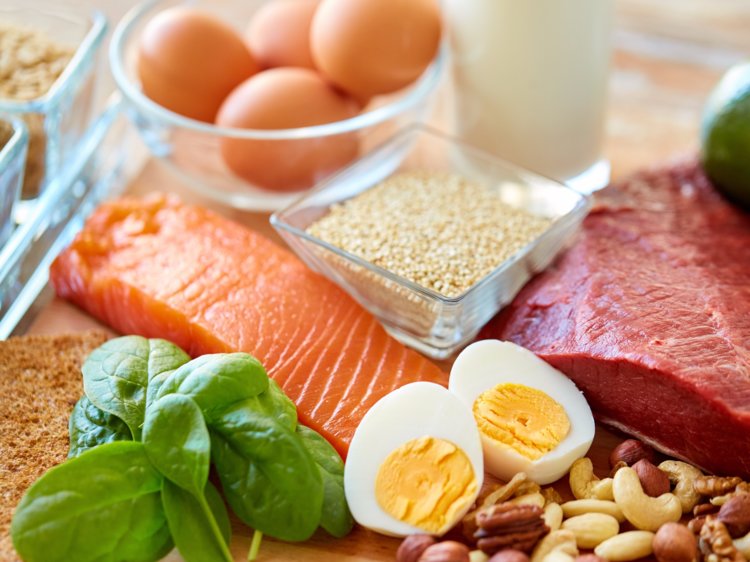
Foods That Sabotage Your Progress
Many of us consume foods that promote weight gain without even realizing it.
Sugary Snacks & Drinks: Soda, candy, and pastries are full of empty calories and added sugars, leading to fat storage and even insulin resistance over time.
Processed Foods: Chips, packaged snacks, fast food pizzas, and burgers often contain trans fats and added sugars, pushing your daily calorie intake through the roof.
White Bread & Refined Carbs: Chapati, white bread, and white pasta spike blood sugar quickly and can encourage fat storage if eaten excessively.
Fried & High-Fat Foods: Fatty cuts of meat, fried snacks, and creamy sauces are calorie-dense and can slow your metabolism in the long run.
High-Calorie Coffee Drinks: That daily frappuccino? It might contain more sugar and calories than you’d expect — sabotaging your progress in one cup.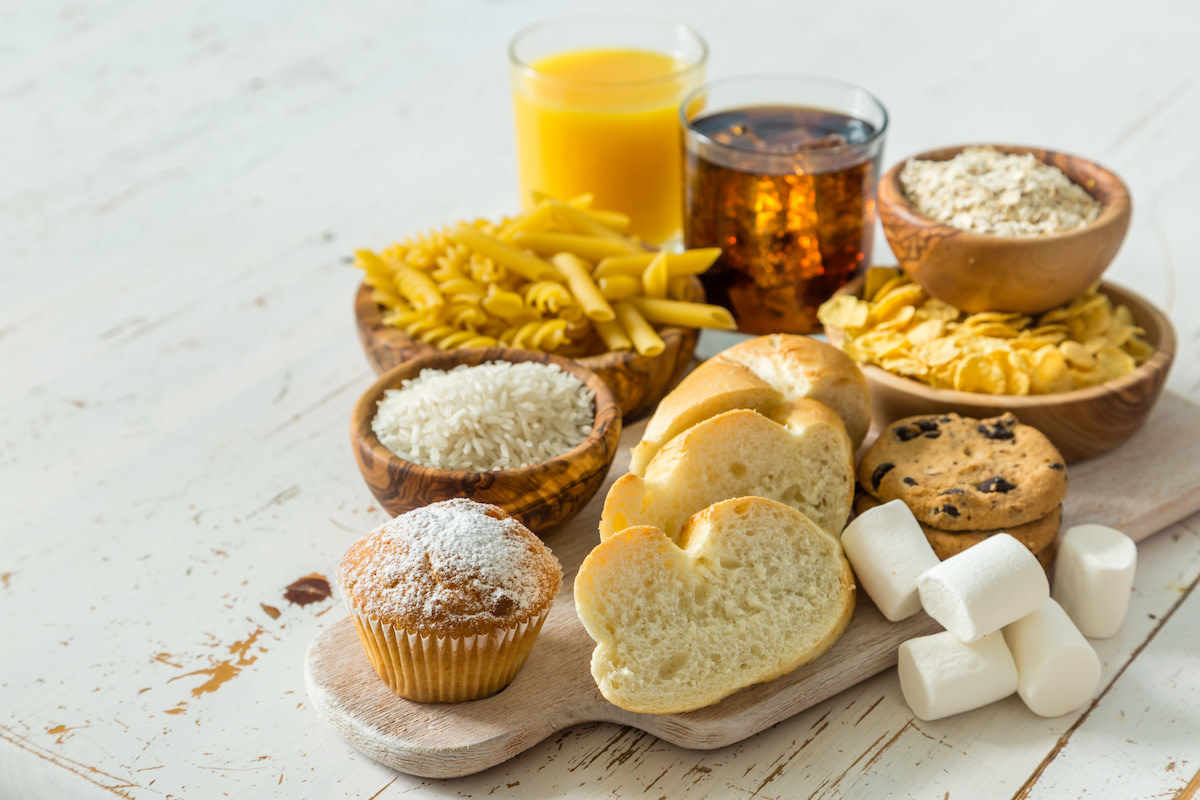
Refined carbs should be taken in moderation
Meal Timing: The Overlooked Factor
When you eat is just as important as what you eat.
Breakfast: Skipping breakfast may sound like a shortcut to cut calories, but it backfires. A healthy breakfast — ideally between 6:30 am and 10:00 am — kickstarts your metabolism and helps regulate hunger. Try smoothies with spinach, berries, and plain yogurt.
Regular Intervals: Eating consistent meals keeps your blood sugar stable and reduces binge eating. Aim for three balanced meals and one or two healthy snacks daily. Don’t wait for extreme hunger — plan your meal times and stick to them.
Dinner Timing: Eating late gives your body less time to burn calories before sleep. Try to have dinner at least 2–3 hours before bedtime — ideally no later than 8:00 pm — and keep it light with lean proteins and vegetables.
Pre- & Post-Workout Meals: A small snack before exercise provides fuel, while a balanced meal afterward helps your muscles recover. Think bananas or oats before, and Greek yogurt with fruit afterward.
Lifestyle Habits That Make the Difference
Stay Hydrated — Drinking water throughout the day prevents dehydration, which is often mistaken for hunger.
Mindful Eating — Eat slowly and savour every bite. This helps you tune into your body’s fullness signals.
Portion Control — Use smaller plates and be mindful of how much you’re serving, especially with high-calorie foods.
Regular Exercise — Combine nutritious meals with consistent physical activity for best results.
Carbohydrate Counting — Know how many carbs you’re consuming per meal. This simple habit can make weight management more predictable.
The Bottom Line
Sustainable weight loss is not about deprivation; it’s about smart choices, consistent habits, and a balanced lifestyle. Take it from someone who’s seen countless journeys — small daily changes can make a big difference over time.
If you’re feeling stuck, don’t be discouraged. Focus on your meal quality, timing, and lifestyle choices. And remember, your health is not a one-size-fits-all plan — it’s a commitment to understanding your body and giving it what it needs to thrive.
The writer is a Nutritional Expert | Bwindi Community Hospital | Nutrition Rehabilitation Centre, Kampala | Hero in Health Awards 2022 | Ministry of Health | Board Member, Allied Nutritionists Association of Uganda



