Written By |
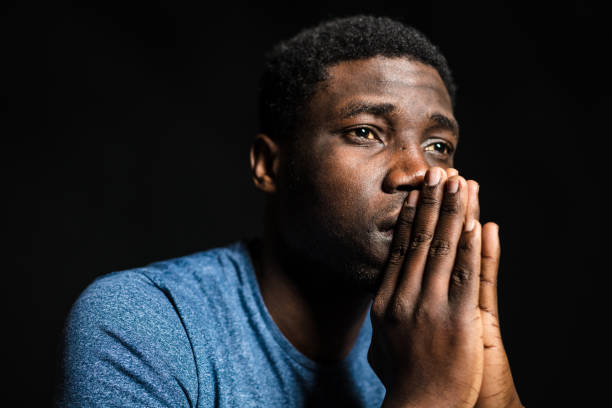
Globally, men are more likely than women to exhibit symptoms such as irritability, sudden anger, loss of control, risk-taking behavior, and aggression.
Last week, John Birungi Babirukamu, a 40-year-old a prominent digital marketer , and Shukla Chiragkumar, a 35-year-old Indian national, tragically joined the growing suicide statistics. Shukalr allegedly fell from the fourth floor of Skyz Hotel, Naguru, Nakawa Division, Kampala City in front of the hotel entrance, breaking his arm. He was rushed to UMC Bukoto where he was pronounced dead, according to ASP Luke Owoyesigyire, Deputy Public Relations Officer, Kampala Metropolitan Police.
These cases, among others that didn't make the headlines, underscore the significant challenges men face in expressing their mental health struggles due to societal expectations and stigma.
Uganda has a notably high prevalence of mental health conditions compared to other low- and middle-income countries. A report from The Lancet Psychiatry indicated that in 2022, approximately 14 million people, or about 32% of Uganda's population of 43.7 million, were affected by mental illness. Towards the end of 2023, Mental Health Uganda (UHU) reported 15 registered suicide attempts. Fortunately, their hotline interventions saved 12 lives. The study also highlighted how poverty exacerbates mental health issues, placing Uganda among the top six African countries with the highest rates of depressive disorders.
Globally, men are more likely than women to exhibit symptoms such as irritability, sudden anger, loss of control, risk-taking behavior, and aggression. Men often turn to alcohol and drugs to cope with depression rather than seeking help through conversation or therapy. According to the 2021 Annual Crime Report from the Crime Investigation Department of Uganda Police, processed suicide scenes rose to 615 in 2021, up from 456 in 2019.
Are Men Becoming Too Soft?
There's a growing perception that men today are not as "strong" as in the past, contributing to an increase in depression and other mental health issues. However, this notion often reflects changing societal norms around masculinity. Traditional masculinity emphasized toughness, stoicism, and self-reliance. Contemporary views, however, now include emotional expression, vulnerability, and collaborative behavior.
Changing Gender Roles: Modern societies value gender equality, encouraging men to participate in caregiving and emotional expression. This shift can be perceived as a move away from traditional toughness.
Mental Health Awareness: There's greater acceptance of mental health issues, encouraging men to seek help and express their emotions. This openness, sometimes mistaken for softness, is crucial for well-being.
Work and Family Balance: Emphasizing work-life balance allows men to prioritize family and personal life, challenging the traditional notion that men should be sole providers who must not show weakness.
Statistics
Uganda has one of the highest rates of depressive disorders in Africa at 4.6%, with 2.9% suffering from anxiety disorders. Approximately 5.1% of women and 3.6% of men are affected.
Why the Increased Cases of Suicide?
The increase in suicide rates, particularly among men, is influenced by multiple factors:
Mental Health Stigma: Despite growing awareness, the stigma around mental health persists, especially among men who may feel pressured to conform to traditional norms of stoicism and self-reliance, making them less likely to seek help.
Economic and Social Pressures: Economic instability, job loss, and social isolation can lead to feelings of hopelessness and despair. Men, who often tie their identity to their careers, may feel particularly vulnerable during economic hardships.
Relationship Issues: Breakdowns in relationships, divorce, and custody battles can significantly impact men, leading to emotional distress and feelings of isolation.
Substance Abuse: There is a strong correlation between substance abuse and suicide. Men are more likely to engage in risky behaviors, including substance abuse, which can exacerbate mental health issues.
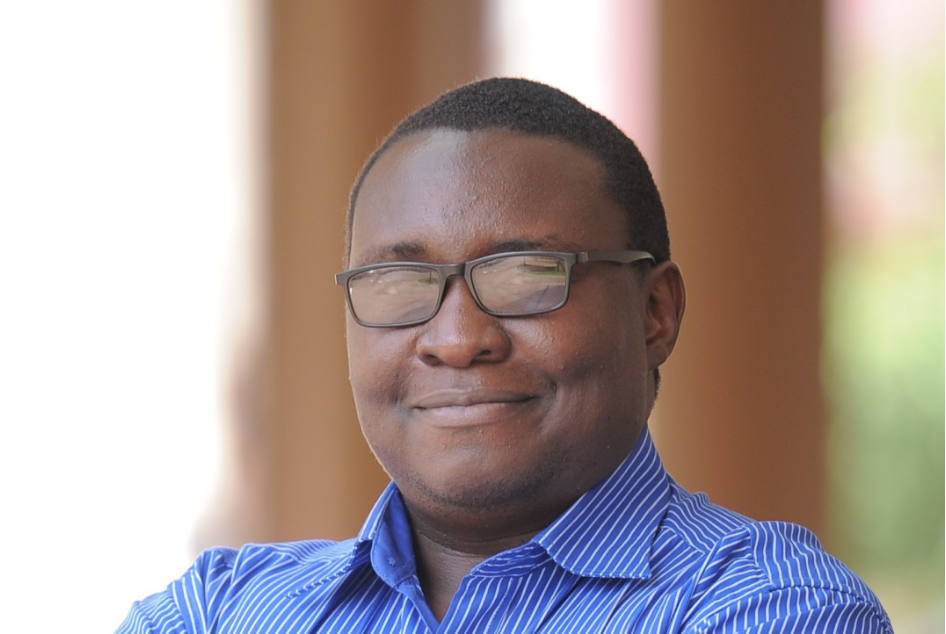
John Babirukamu, a digital marketer
Does Sharing About Your Mental Health Help?
Despite the stigma, professionals assert that talking about mental health is beneficial. Sharing your thoughts and feelings can provide emotional relief and reduce isolation. Maria Nabumba, a counselor with Judith Pillars in Mbarara, notes that men often struggle with depression in silence due to fear of judgment. "Men speaking out is often seen as weak, which many want to avoid," she says.
Discussing experiences with others helps men feel understood and validated, which can be comforting. It also allows friends, family, or support groups to offer practical help, encouragement, and advice. Furthermore, talking about mental health helps normalize it, reducing stigma and encouraging others to open up. Sharing your story can increase awareness and understanding of mental health issues in your social circles.
What is Mental Health?
According to the World Health Organization (WHO), mental health is a state of well-being that enables people to cope with life's stresses, realize their abilities, learn and work well, and contribute to their communities. It underpins our individual and collective abilities to make decisions, build relationships, and shape the world we live in.
How to Deal with Mental Health
Maria emphasizes that the first step to overcoming mental health challenges is self-love. "No one can love you as much as you love yourself," she says. She also recommends talking to friends, enjoying social events like football matches, band nights, and concerts.
Dr. Innocent Atuhe, Independent Program Management Consultant on Health Care Quality Improvement, Mulago Hospital, advises men to live within their means financially and socially. "If you face financial problems like job loss or delayed payments, scale down your budget," he suggests. He also encourages men to speak up and seek help from experts and urges the government to increase awareness about the signs of mental health issues and suicide prevention strategies.
Written by Dickens Tiharihondijo



