Written By |
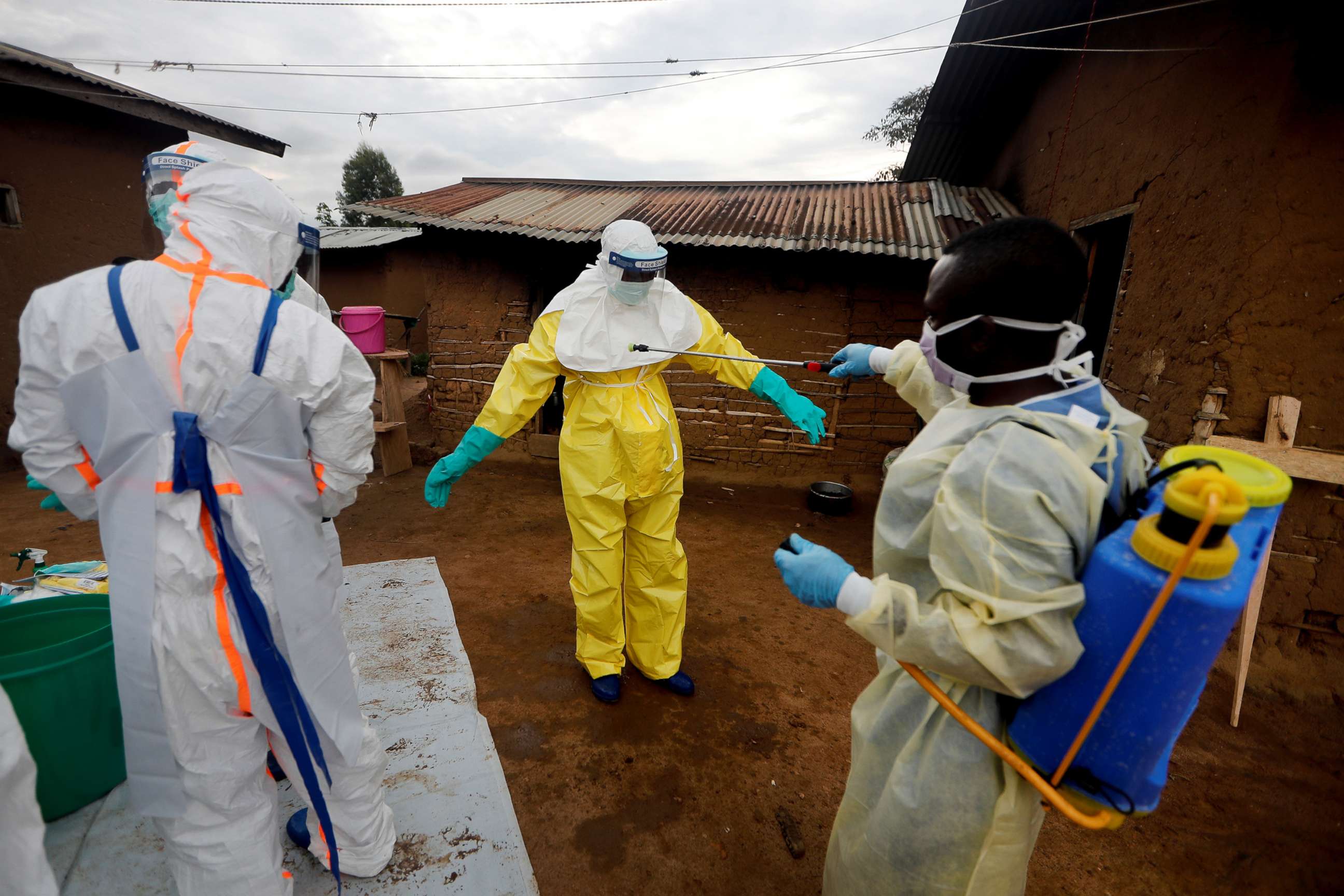
Francois Mingambengele, administrator of Mweka territory said that some people are going into the bush to hide as the crises hits hard
KINSHASA – Towns affected by the Democratic Republic of Congo’s latest Ebola outbreak have set up checkpoints to restrict movement as cases continue to rise, officials said this week, amid warnings from aid workers that the response is underfunded.
The health ministry last week declared Congo’s first Ebola outbreak in three years, reporting 28 suspected cases and 15 deaths. It is also the first outbreak recorded in Kasai province since 2008.
Kasai’s Bulape zone, where the first case was identified, has been placed under confinement, the provincial governor confirmed in a statement dated Monday. Multiple checkpoints have since been erected to prevent residents from moving in and out of the area. 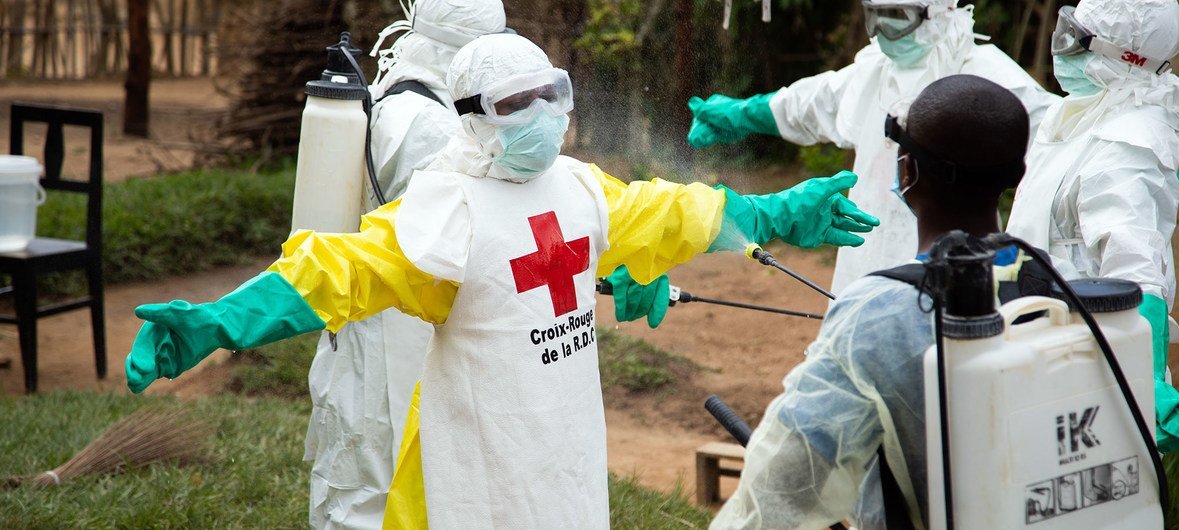
“The problem is that we’re afraid movement from Bulape could lead to contamination in other communities,” said Francois Mingambengele, administrator of Mweka territory, which includes Bulape. “Some people are going into the bush to hide. It’s a crisis, and cases are multiplying.”
Mingambengele said the number of suspected cases had risen to 51, with 18 deaths. However, the latest figures from the health ministry in Kinshasa recorded 32 suspected cases, 20 confirmed infections, and 16 deaths.
The World Health Organization (WHO) announced last week that Congo has a stockpile of Ebola treatments and around 2,000 doses of the Ervebo vaccine. These are expected to be deployed to Kasai to inoculate frontline health workers and individuals who have been in contact with patients.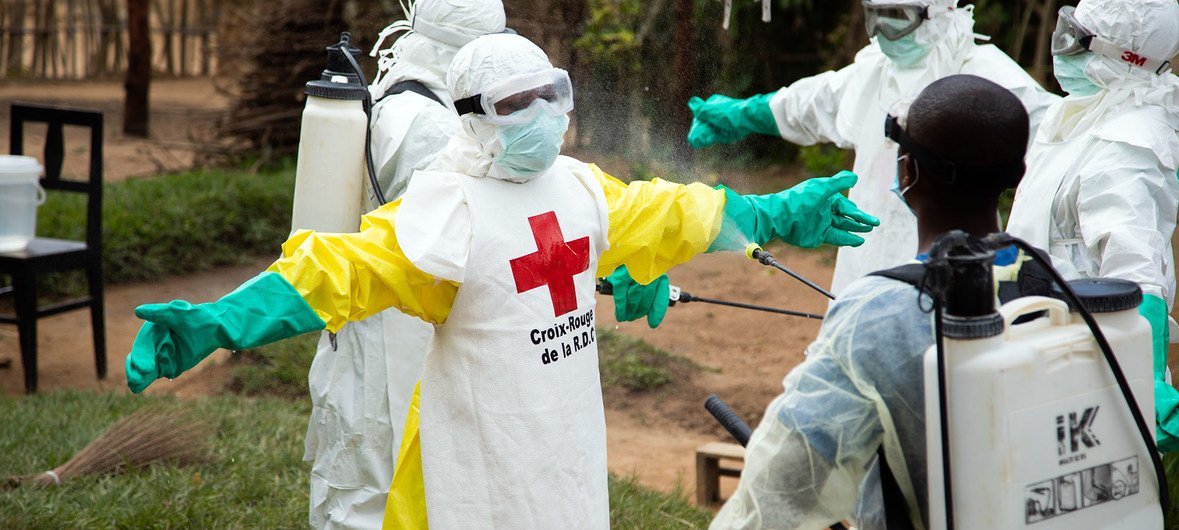
Several aid agencies have raised concerns that Congo, which has experienced more than a dozen Ebola outbreaks, may struggle to mount an effective response this time due to recent funding cuts and the dismantling of the U.S. Agency for International Development (USAID) during the Trump administration.
“Alongside other partners, USAID has been a key pillar. This withdrawal will undoubtedly leave a void that will be difficult to fill,” said one international aid worker based in Congo, speaking on condition of anonymity.
Greg Ramm, Save the Children’s country director, echoed the concern.
“The reduction in immediately available funds from key donors is already making it more challenging to respond quickly and reach the communities that need help.”
Source: Reuters



