Written By |
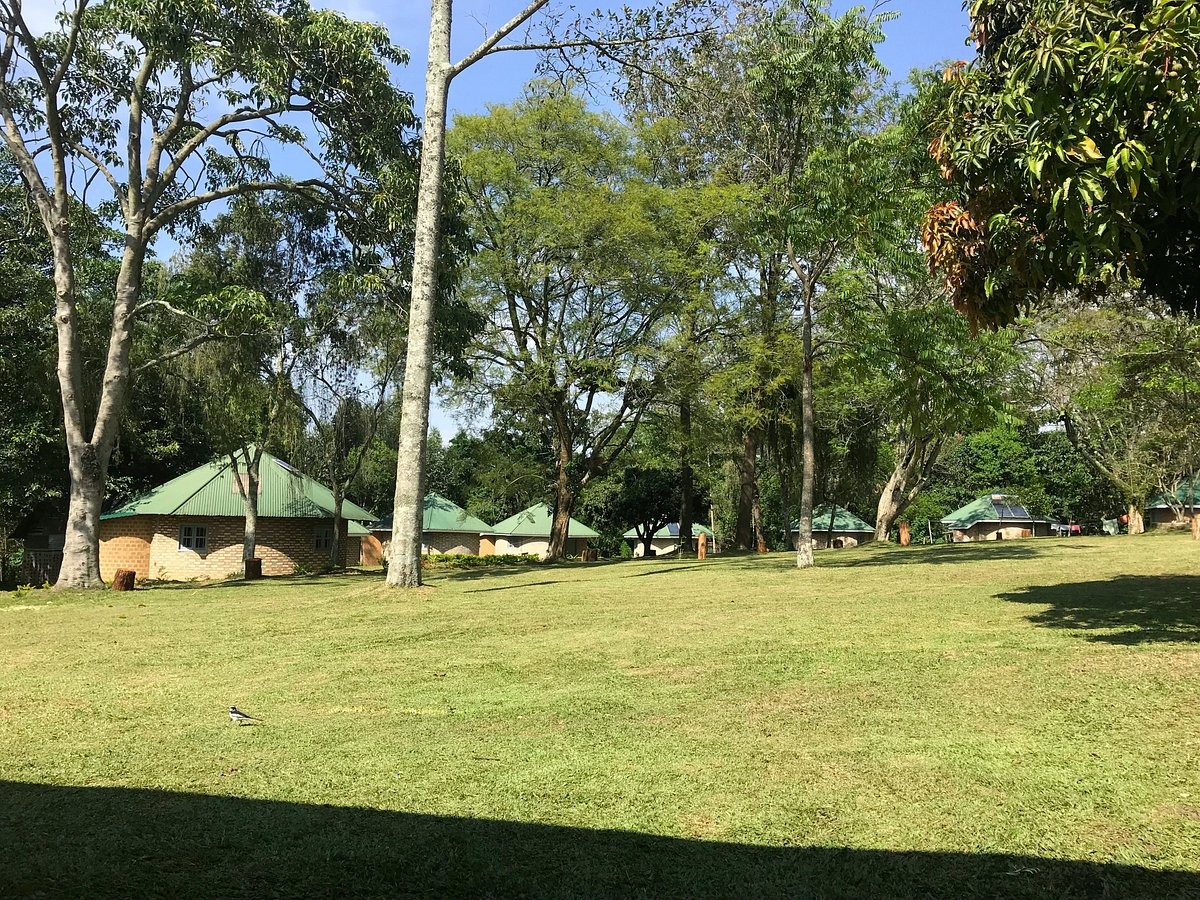
A green and calm environment at Rukararwe dominated by different tree species for medicinal purposes. Photo by Stuart Twinomujuni
By 2022, Rukararwe village, in Bushenyi district had already established its self in global herbal market with medicine of acceptable standards and dosage, backed by research.
From onset, scientists and herbalists have teamed up to intensify research on prostate cancer treatment using a combination of traditional herbal medicine that will soon see men with worries about developing prostate cancer worry no more.
The government, through the Ministry of Science and Technology, has extended support of sh200m to the Rukararwe Partnership Workshop for Rural Development, a non-governmental organization.
Rukararwe is to assemble its herbalists, who will team up with scientists to proceed with the research, which will focus on adding value to Prunus Africana (omugote) and other herbs to provide a solution to prostate cancer.
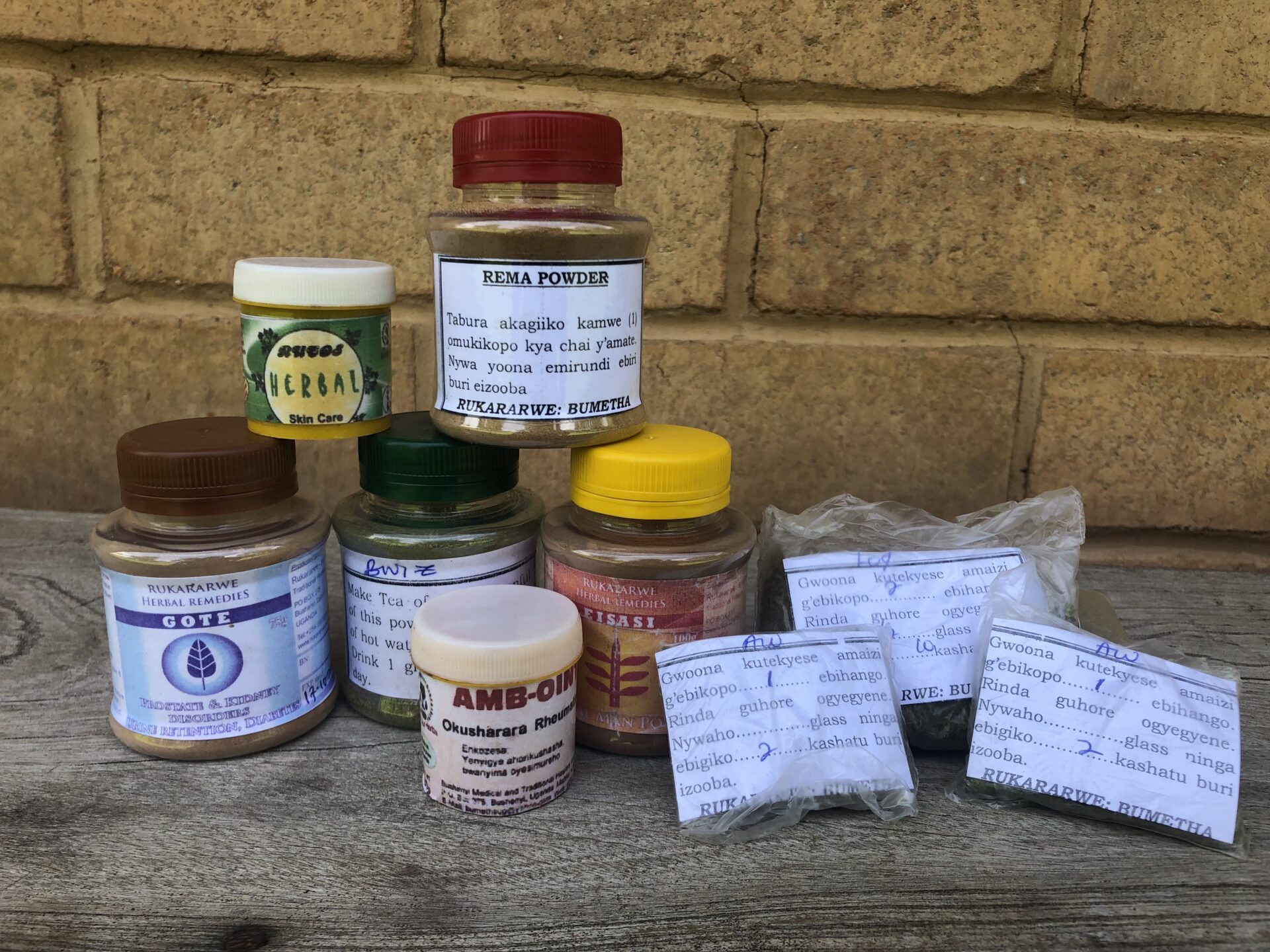
Some of the locally produced and packed medicine from Rukararwe trees. Photo by Stuart Twinomujuni/ Torch Media Africa.
Dr. Hilda Ikiriza, the project leader and also a lecturer at the Department of Biology at Mbarara University of Science and Technology, explained that Prunus Africana has active compounds used in the treatment of prostate cancer, but said they want to explore other herbs that can boost its effectiveness.
The one-year project will be conducted at Rukararwe in Bushenyi district.
How the idea was hatched
The idea was mooted in 2021 when the Senior Presidential Advisor, Mary Karooro Okurut, invited the Minister of Science and Technology, Dr. Monica Musenero, and other health agencies like the World Health Organisation to Rukararwe to show them the potential there.
Abby Ayebaze Colony, the Rukararwe project coordinator, commended Karooro for creating the bridge, stressing that it will result in something bigger for Bushenyi.
“We are happy that scientists are finally joining us to help us improve on what we have been doing without technical knowledge. This will bridge the gap that has long existed," Ayebaze said.
Addressing the traditional herbalists, Dr. Ikiriza said the success of this project will lead to more research on the treatment of other types of cancer using traditional medicine. She congratulated Rukararwe for engaging the government to support the research project.
“As scientists, we have said, what can we do? How can we intervene to help our society? That’s why we have come up with this initiative to add value to our traditional medicine,” Ikiriza said.
Ivan Kahwa, a researcher on the team, said under this project they will also carry out an ethnobotanical survey to document the knowledge about traditional medicine from the elderly.
Kahwa further emphasised the need to document the different types of herbal medicine from the older generation and to train people, especially the young generation, in traditional medicine.



