Written By |
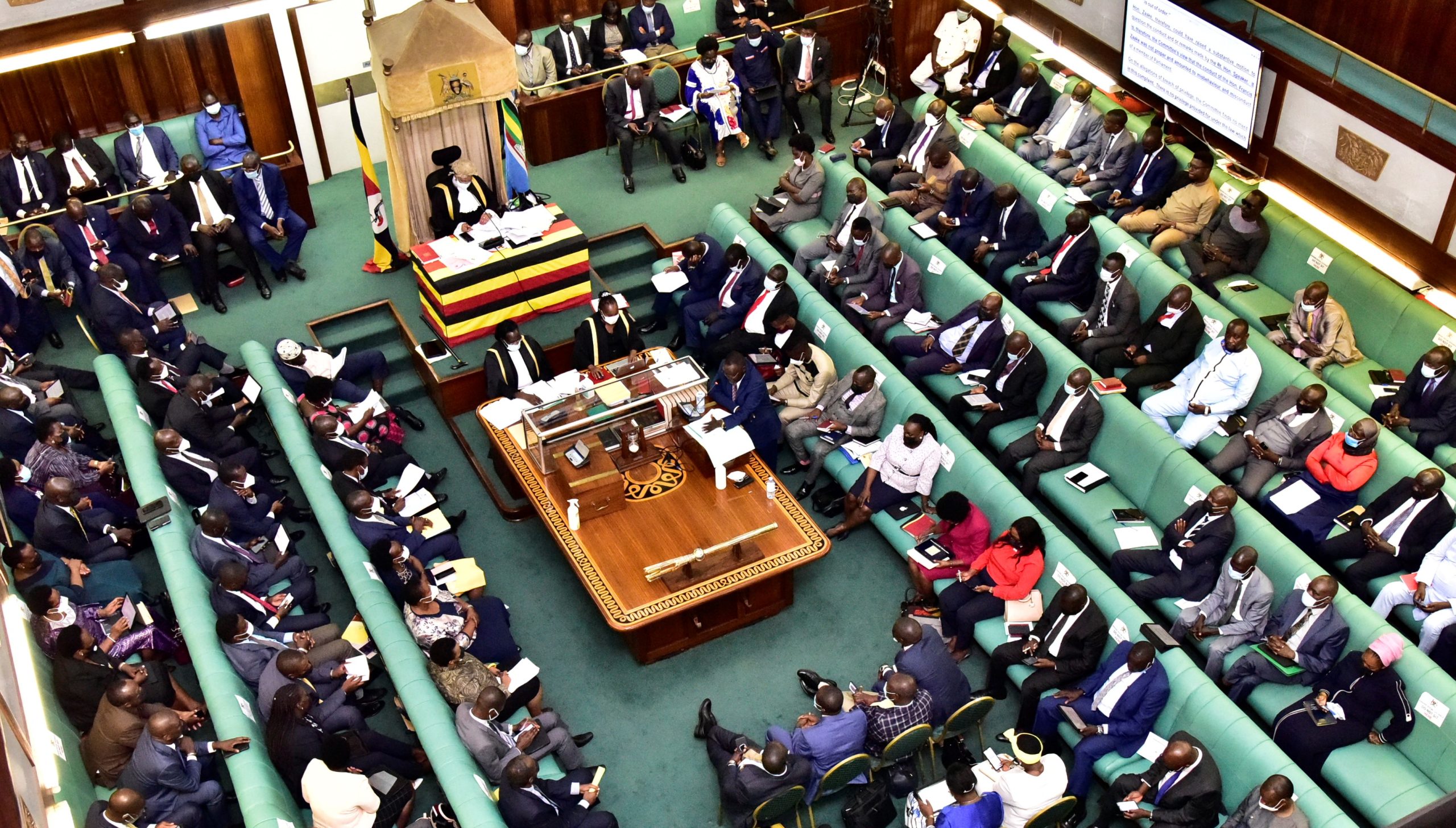
The 11th Parliament of Uganda session
By Sande Evan Ndahura
The Parliament That Once Was
There was a time when being a Member of Parliament in Uganda was not a business investment but a sacred calling to national service. In the years leading up to the 2000s, Parliament was largely composed of men and women who viewed politics as a duty, not a profession.
Back then, an MP’s monthly pay barely crossed UGX 1 million, with modest allowances for transport and constituency visits. Yet, despite their humble earnings, the MPs of that era exhibited extraordinary commitment to legislative integrity and national interest.
Figures such as James Wapakhabulo, Cecilia Ogwal, Eriya Kategaya, John Kakonge, and Prof. Dani Wadada Nabudere — not forgetting legal minds like former Chief Justice Benjamin Odoki and the late Justice George Kanyeihamba — were not just lawmakers; they were architects of Uganda’s democratic rebirth. These were the men and women behind the 1995 Constitution, a document that once symbolised the moral revival of Uganda after decades of political turmoil.
As Prof. Joe Oloka-Onyango once remarked, “The making of the 1995 Constitution was perhaps the last time Ugandans saw genuine debate driven by principle rather than price.”
The Rise of the Business Politician
Everything changed as Uganda entered the 2000s. Parliament’s salary structure underwent a dramatic transformation. By 2005, MPs’ salaries had risen to about UGX 5 million, and by 2020, the figure had ballooned to UGX 25 million — excluding hefty sitting, committee, and mileage allowances that can push total monthly pay above UGX 40 million.This rise, intended to “motivate” legislators, instead opened the floodgates to a new kind of political actor — the business politician. Men and women with little ideological grounding but deep pockets began viewing Parliament not as a public institution but as a profit centre. Election campaigns became heavily monetised. Constituencies were transformed into marketplaces where the highest bidder won. A seat in Parliament became a return-on-investment opportunity rather than a platform for service. As political analyst Dr. Mwambutsya Ndebesa observed, “The tragedy of Uganda’s politics is that it has turned from a struggle for ideas into a struggle for allowances.”
The Half-Baked Legislator
With this commercialisation came another consequence — the erosion of intellectual and moral quality within the House. The Parliament of the 1990s debated policy with rigour. Today, debates are often characterised by applause lines, partisan noise, and absenteeism. Many legislators join Parliament without a clear grasp of legislative procedure, policy analysis, or national vision.
As one senior journalist put it during a plenary observation, “Our MPs spend more time signing attendance sheets for allowances than reading Bills.”
This shift explains why supplementary budgets are passed without adequate scrutiny, why loan approvals have skyrocketed, and why Uganda’s public debt now exceeds UGX 96 trillion. The taxpayer bears the weight of a Parliament more interested in personal enrichment than national progress.
The Museveni Factor: Power and the Price of Loyalty
The long stay of President Yoweri Kaguta Museveni in power has also played a central role in this political decay.
As Museveni sought to consolidate control, Parliament gradually transformed into a rubber stamp. The removal of presidential term limits in 2005 and age limits in 2017 were achieved through financial inducements and coercion — marking the peak of transactional politics.
According to Dr. Frederick Golooba-Mutebi, “Museveni perfected the art of patronage. He turned MPs into clients of the presidency rather than representatives of the people.”This dependence on the executive for “facilitation” has reduced Parliament’s independence to near zero. Many MPs now serve two masters — their pockets and the President.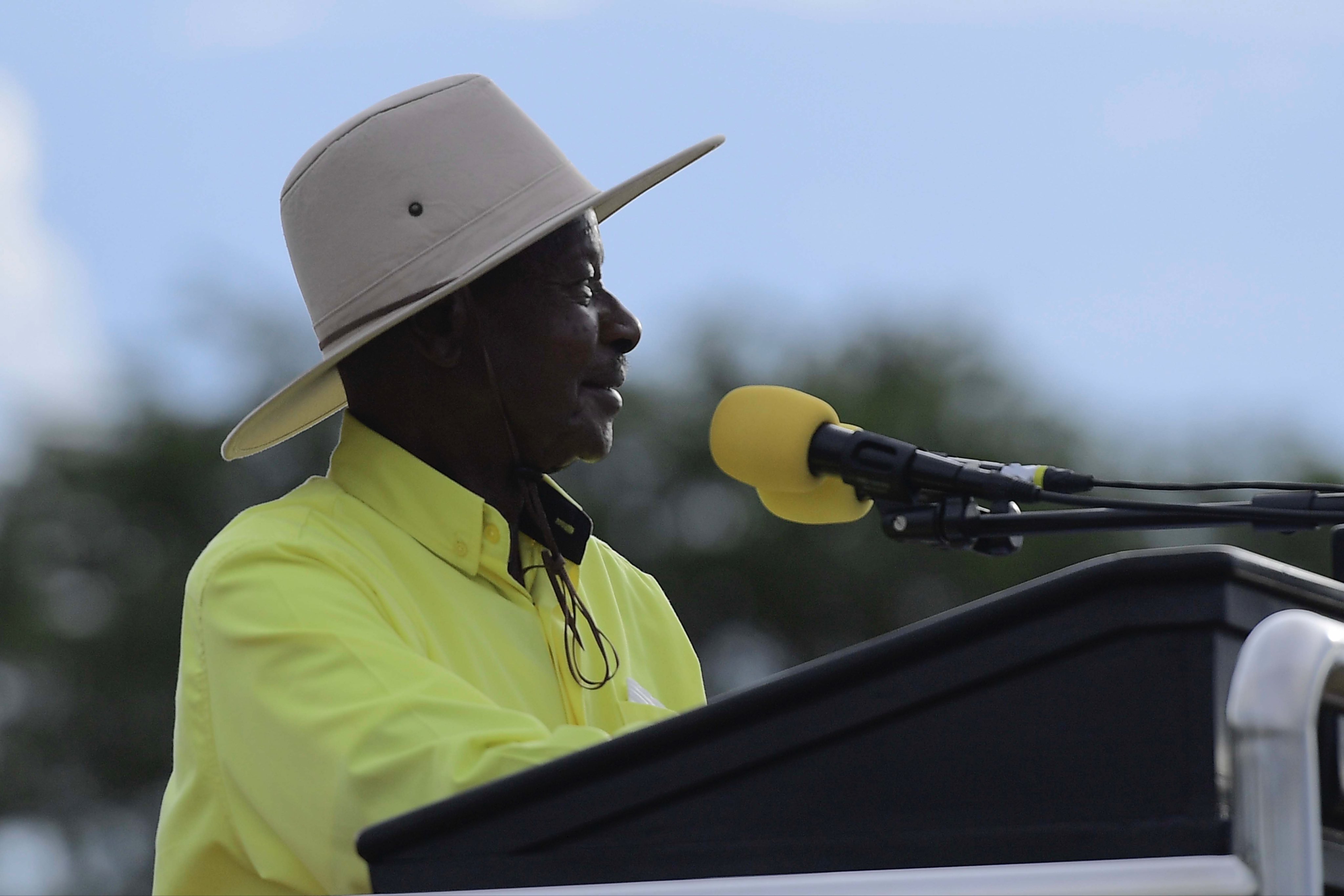
Consequences of Commercialised Politics
The effects are far-reaching:
Erosion of trust: Citizens no longer view MPs as servants but as exploiters.
Decline in policy quality: Bills are poorly debated and rarely people-centred.
Increased corruption: Money has replaced merit at every level of political entry.
Economic strain: The wage bill for Parliament consumes billions monthly while essential sectors like health and education remain underfunded.
Moral decay: Political leadership has become synonymous with self-interest.
As scholar Prof. Mahmood Mamdani once warned, “When the state becomes a source of personal wealth, the collapse of moral authority follows soon after.”
Restoring the Lost Glory
Uganda can still redeem her Parliament — but not without courage and reform.
a) Reform electoral financing: Limit campaign spending and enforce strict declaration of funding sources.
b) Cap parliamentary allowances: Peg them to national income averages to discourage profit-seekers.
c) Promote civic education and mentorship: Rebuild political parties as schools of ideology, not cash clubs.
d) Strengthen Parliament’s independence: Ensure the Speaker and committees operate free from executive manipulation.
e) Encourage public oversight: Publish all parliamentary expenditures for citizen scrutiny.
The Future — A Warning Unheeded
If Uganda continues on this trajectory, the future is bleak. Politics will become the most lucrative business venture, attracting investors, not leaders. Constituencies will auction their loyalty, and policymaking will depend on who pays more, not who cares more. As Winston Churchill once said, “A nation that forgets its heroes will soon find itself ruled by its worst.” Uganda risks exactly that fate — unless it returns to the spirit of 1995, when Parliament still stood for principle, patriotism, and public service.
In a nutshell
Commercialised politics has stolen Uganda’s political soul. From noble service to profitable enterprise, Parliament has lost its moral compass. Yet history reminds us — what was lost can be restored. Uganda’s future depends on de-commercialising politics, rebuilding integrity, and reclaiming Parliament from the merchants who now occupy it. If not, the House once called “the people’s Parliament” will remain what it has become today — a marketplace of power, privilege, and profit.
Torch Media Africa



