Written By | Joshua Nahamya
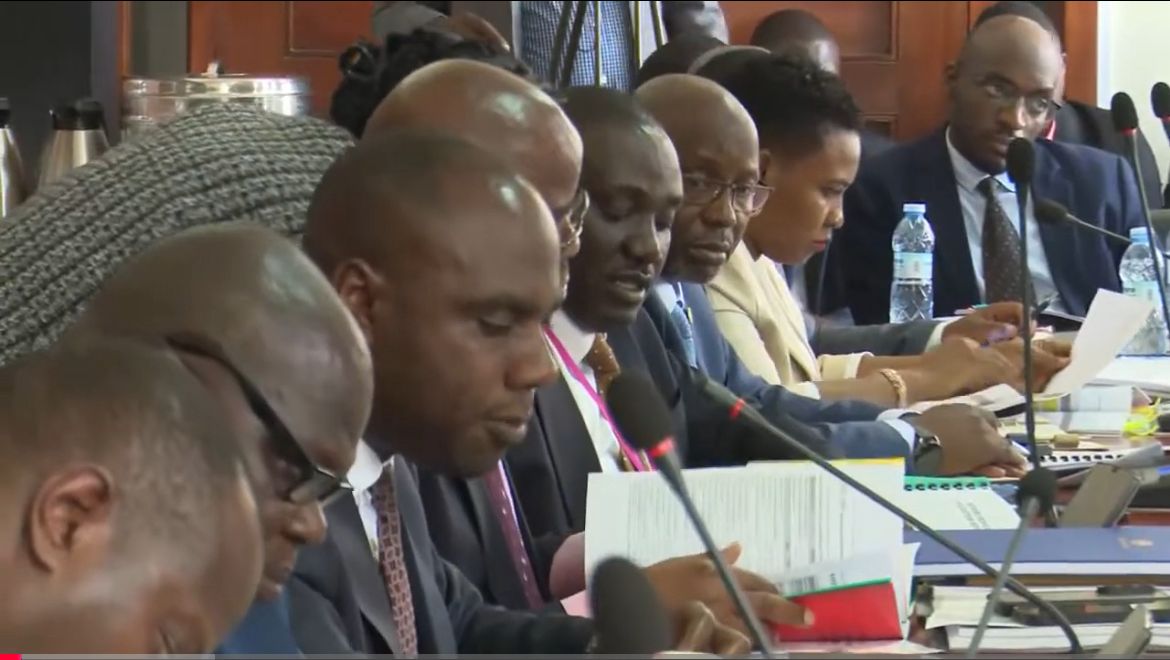
A meeting between URA officials and Parliament’s Committee on Finance, where the Authority was presenting its Ministerial Policy Statement. [File: Parliament]
Kampala, Uganda — The Uganda Revenue Authority (URA) has come under intense scrutiny from Members of Parliament over its proposed 2026/27 budget, with legislators questioning significant allocations to what they described as “questionable” expenditure items.
The concerns were raised during a meeting between URA officials and Parliament’s Committee on Finance, where the Authority was presenting its Ministerial Policy Statement.
Kira Municipality MP, Ibrahim Ssemujju, led the criticism, citing planned expenditures that include UGX23 billion for welfare and entertainment, UGX13.5 billion for workshops and seminars, and UGX18 billion for staff training.
“When I looked at the procurement plan submitted with your documents, I saw that you plan to spend UGX13.5 billion on workshops and seminars, UGX18 billion on staff training, and UGX23 billion on welfare and entertainment. I don’t know who benefits from this entertainment,” Ssemujju said.
He described the spending pattern as a “pandemic” in government institutions, where funds are allocated without sufficient justification.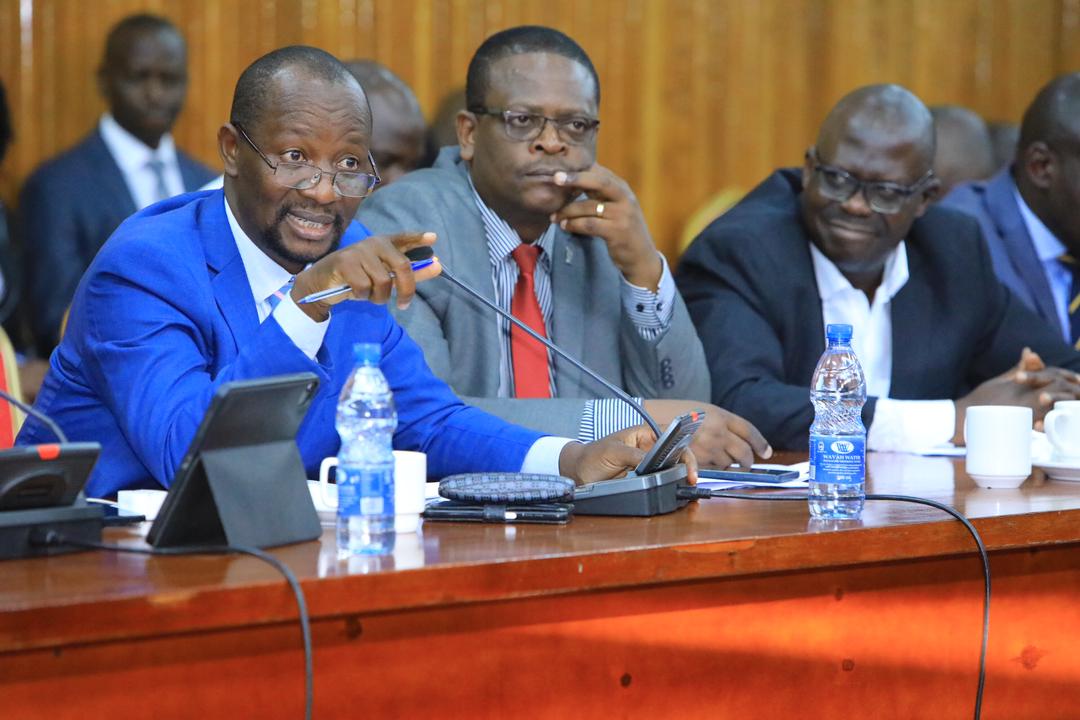
Ibrahim Ssemujju
ICT and Medical Expenditure Questioned
MPs also raised concerns about URA’s ICT budget, which totals UGX69 billion, including UGX52 billion for ICT supplies and UGX17 billion for ICT services.
Ssemujju questioned the distinction between the two allocations and called for clearer accountability. He also sought clarification on medical-related expenditures, noting that similar items had sparked controversy in the previous financial year due to inadequate explanations.
URA Rent Decision Sparks Debate
URA’s decision to rent office space at Pearl Tower in Kampala further attracted sharp criticism. Legislators questioned why the Authority continues to incur rental costs despite having recently constructed its own headquarters in Nakawa at a cost of nearly UGX180 billion.
Ssemujju accused URA of rushing to occupy the privately owned Pearl Tower, belonging to businessman Sudhir Ruparelia, even before construction works were fully completed.
“I thought when we spent nearly UGX180 billion on the Nakawa tower, the issue of rent was resolved. But you continue renting, and from the same individuals. If given that money, one could construct offices within five years instead of paying rent,” he argued.
Mukono District Woman MP Hanifah Nabukeera echoed similar concerns, questioning why URA plans to spend UGX18 billion annually on rent while it already owns a substantial office facility.
Hanifa Nabukeera
URA Defends Space Constraints
In response, URA Commissioner for Customs, Abel Kagumire, defended the Authority’s decision, citing inadequate space at the Nakawa headquarters.
“The URA Tower can hardly accommodate more than 2,000 staff, yet our current structure has 4,942 employees. This has forced us to seek additional office space,” Kagumire explained.
He added that Pearl Tower was selected through a competitive procurement process and offers a strategic location closer to taxpayers in Kampala’s central business district.
“The departments relocated there are those that need to be closer to the public to improve service delivery,” he noted.
Abel Kagumire
Tax Academy Proposal Raises Eyebrows
The Authority also faced criticism over its renewed proposal to construct a Tax Academy in Gulu. MPs questioned why URA was revisiting the plan after Parliament had previously rejected it, advising the Authority to partner with existing public universities instead.
Tororo North MP Geoffrey Ekanya urged URA to focus on its core mandate rather than venturing into areas better handled by academic institutions.
“You cannot engage in everything. Leave training to universities—partner with them and provide the curriculum,” Ekanya said.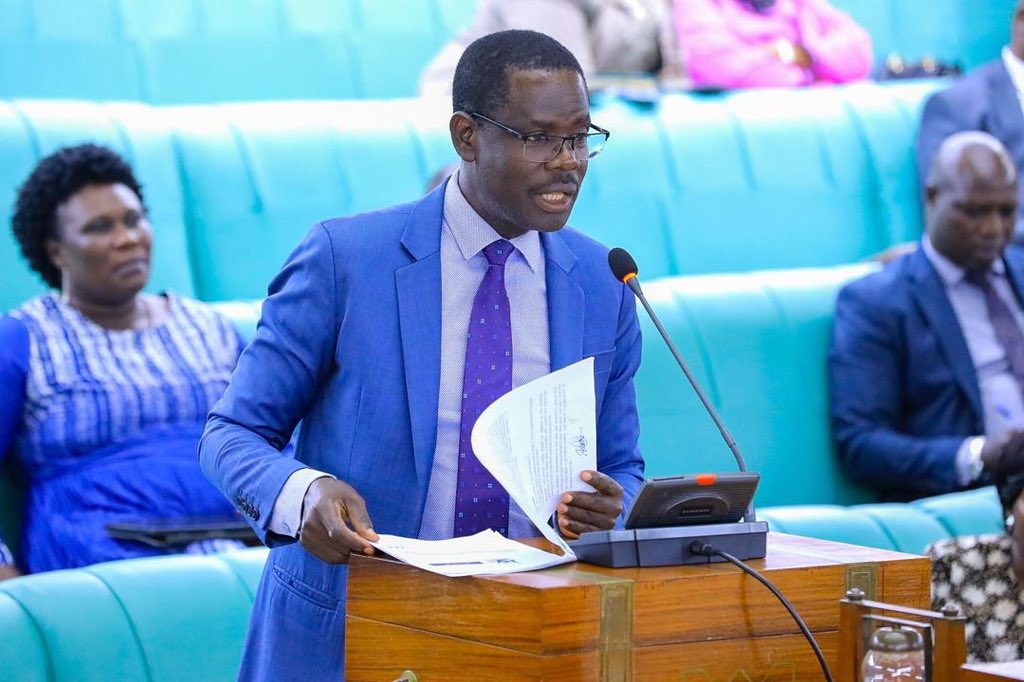
Geoffrey Ekanya
URA Promises Justification
Kagumire assured the committee that URA would provide detailed written justifications for the proposed expenditures, including the need for an independent Tax Academy.
“We shall submit a comprehensive response explaining why the Tax Academy is necessary, alongside responses to the other issues raised,” he said.
Growing Pressure on Accountability
The scrutiny highlights growing parliamentary pressure on government agencies to justify expenditure and ensure value for money, particularly amid competing national priorities.
URA’s budget proposals are expected to undergo further review as the Finance Committee continues its assessment of the 2026/27 national budget framework.
Torch Media Africa



