Written By | Jovita Hasto
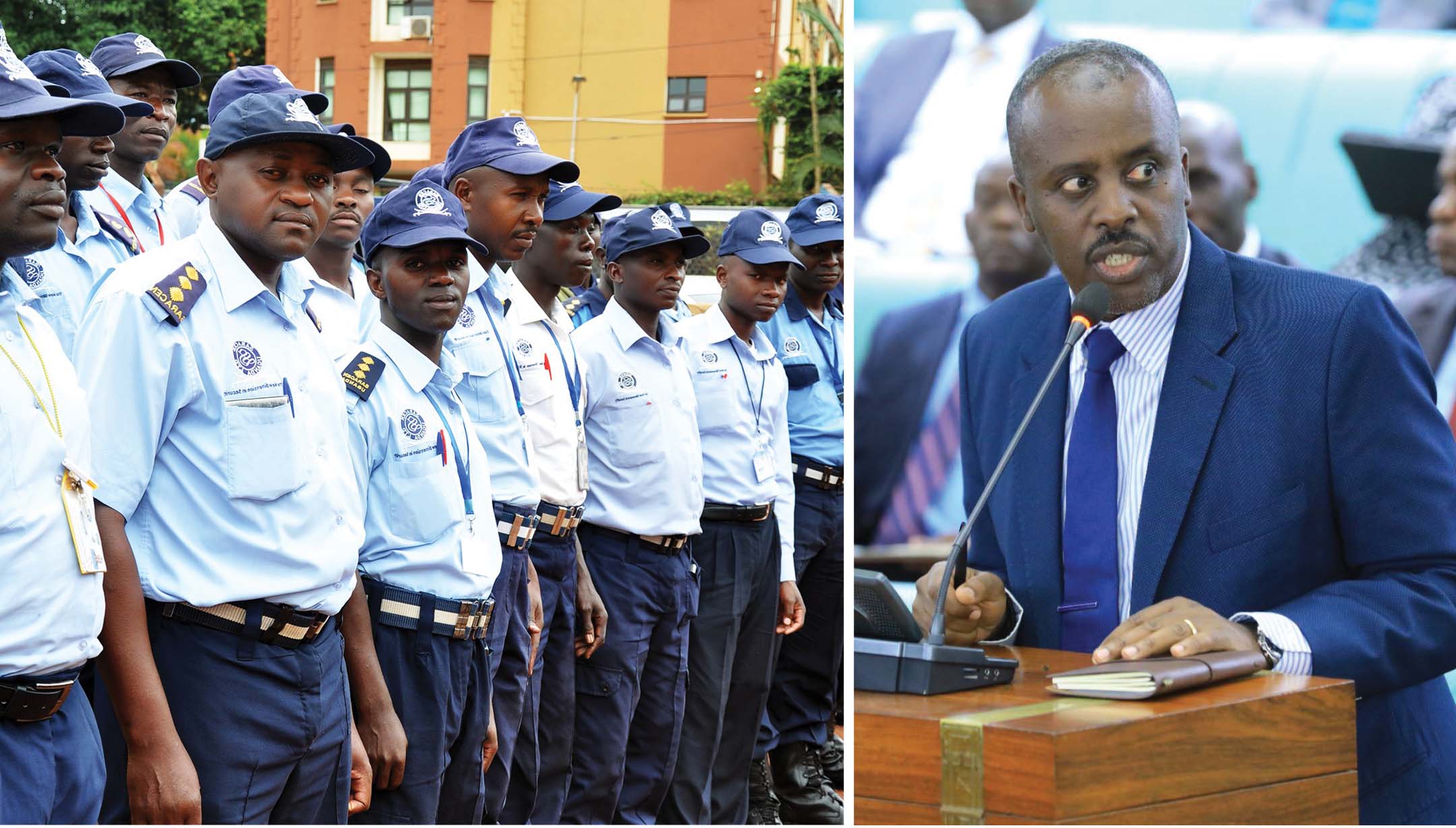
David Muhoozi disclosed that the first cohort of 7,085 trainees is currently undergoing training under police supervision and is expected to complete the programme on April 24, 2026
PARLIAMENT
The Uganda Police Force has taken over the training of guards for Private Security Organisations (PSOs) in a move aimed at improving professionalism and eliminating security risks within the sector.
The development was revealed by David Muhoozi, Minister of State for Internal Affairs, while appearing before Parliament’s Committee on Defence and Internal Affairs during consideration of a petition by private security firms.
Muhoozi disclosed that the first cohort of 7,085 trainees is currently undergoing training under police supervision and is expected to complete the programme on April 24, 2026. The training is being funded by Ugandan taxpayers.
“Actually, as we speak now, we have about 7,085 trainees undergoing training by the police free of charge in some of our schools for private security organisations. These belong to different agencies,” Muhoozi said.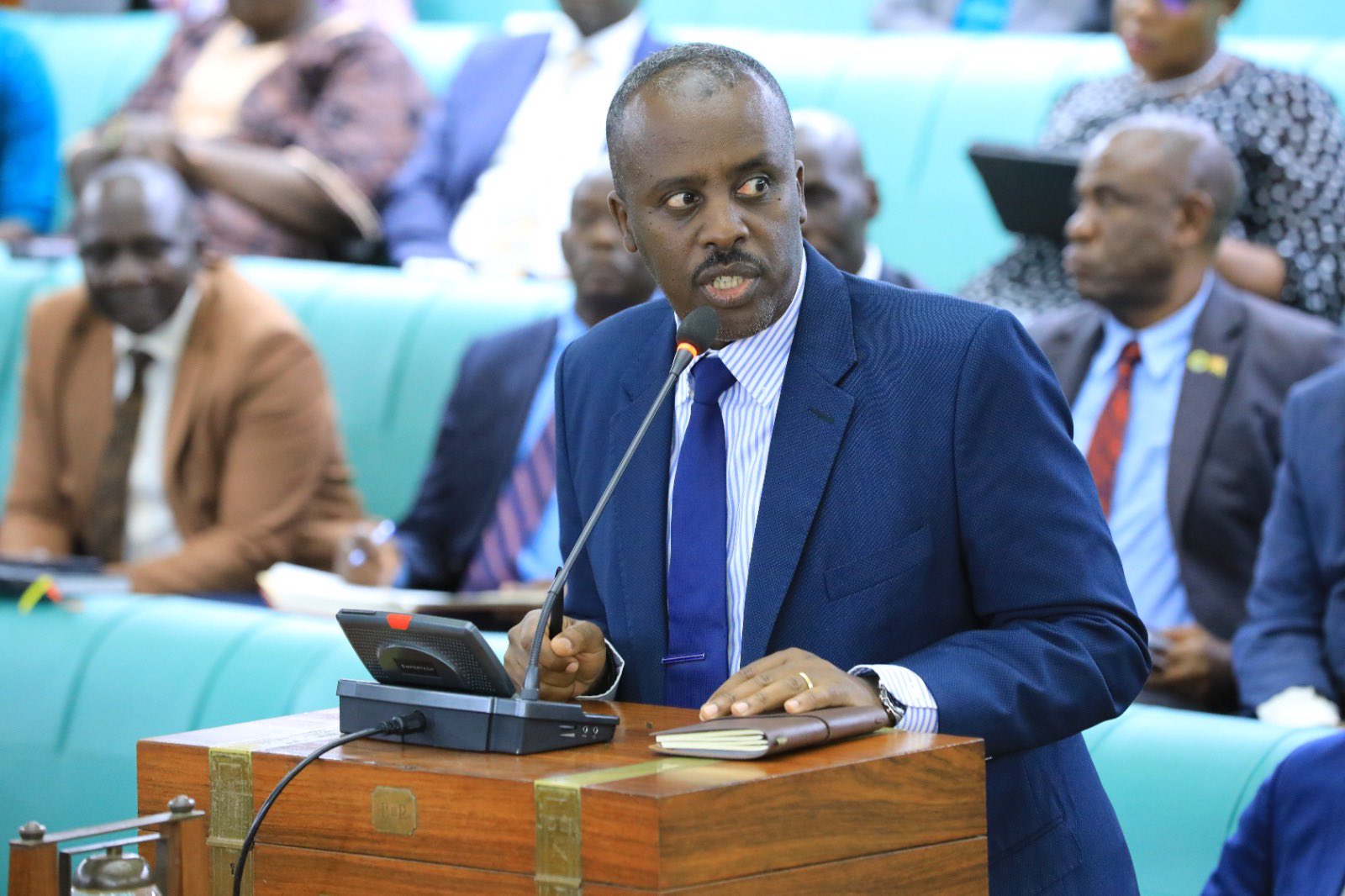
David Muhoozi, Minister of State for Internal Affairs [File: Parliament]
Standardised Training Model Introduced
The minister explained that under the proposed regulatory reforms, all private security guards will either be trained directly at police training schools or by police instructors deployed to accredited PSOs at a subsidised cost.
“In the proposed review of the regulations, we are suggesting that private security guards be trained either in police training schools or by police trainers deployed to accredited PSOs at a subsidised cost to ensure quality, standardised training,” he added.
Muhoozi further revealed that a standard training curriculum has already been developed to enhance professionalism across the sector. The curriculum is expected to equip guards with skills in conflict resolution, surveillance, and emergency response, while ensuring compliance with legal requirements.
Officials say the reforms are also intended to improve public confidence in private security personnel and address concerns about poorly trained guards posing potential risks.
Calls for Independent Law
While lawmakers generally supported the move, Wilson Kajwengye, the Member of Parliament for Nyabushozi County, called for the establishment of a standalone law to regulate private security organisations.
“Regulating them is absolutely in order. However, the current regulations stem from the Police Act and the Constitution. Is it not time for the Ministry to come up with a specific law to regulate private security organisations?” Kajwengye asked.
He argued that the private security sector has grown significantly and now requires an independent legal framework to ensure effective oversight without overburdening the police.
“In my view, if you are going to regulate an organisation whose strength may outnumber yours, it is highly likely to strain your resources,” he added.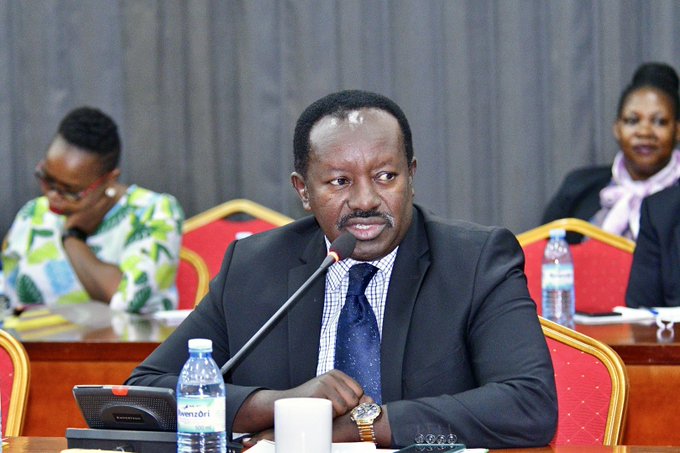
Wilson Kajwengye
Lessons from South Africa
Kajwengye pointed to international examples, noting that countries like South Africa have already enacted specific laws governing private security.
“I worked and lived in South Africa, where they even have a Private Security Practitioners Authority. With close to half a million employees in private security, a distinct law has helped regulate the sector effectively,” he said.
Sector Reforms Underway
The move by government signals a broader effort to professionalise Uganda’s private security industry, which has expanded rapidly in recent years.
If implemented fully, the new training model and proposed legal reforms are expected to streamline operations, improve service delivery, and ensure that private security personnel operate within a well-regulated and accountable framework.
Torch Media Africa



