Written By | Fashion and Design Desk

The Paris label famous for a Disneyland Paris runway show has shut down its operating company. The reasons are a cautionary tale for every viral brand.
PARIS
Coperni, the Paris label known for technology-flavoured spectacle and the playful Swipe bag, is closing. Hypebeast reported on November 4 that co-founders Arnaud Vaillant and Sebastien Meyer have shut down Coperni SAS, the French company that ran the brand, after negotiations with distributor and shareholder Tomorrow failed to reach an agreement.
In a statement quoted by Hypebeast, the founders said: “These eight years have been extraordinary. Coperni has always been a collective adventure,” adding that innovation “has always been our passion and a priority in everything we do.”
A label built for the feed
Coperni was founded in 2013 and relaunched in February 2019 with Meyer and Vaillant at the helm, backed by Stefano Martinetto and the Tomorrow team. Under their direction it became one of the most photographed names in Paris, known for showpiece moments rather than conventional collections: a Disneyland Paris show, meteorite-inspired bags and celebrity walks that travelled well on social media, according to NSS Magazine’s account of the brand. That reputation was the label’s greatest asset and, as it turns out, a costly one to maintain. Spectacle is expensive, and its returns are hard to measure.
The money problem
The brand’s decline can be traced through figures reported by FashionNetwork and summarised by NSS Magazine. Total brand turnover fell from 15.2 million euros in 2023 to 13 million in 2024 and 10.9 million in 2025, a loss of roughly 5 million euros in sales across three years.
The accounts of Coperni SAS itself tell a more complicated story. Its revenues held at 3.5 million euros in 2023 and 2024 and rose to 4.7 million in 2025, partly because Tomorrow passed on royalties and fees while it collected the wholesale revenue. But rising fixed costs erased the margin: an operating profit of 679,000 euros in 2023 shrank to 112,000 in 2024 and became a loss of more than 300,000 in 2025.
In other words, the company that employed the creative team looked healthy on revenue and was bleeding on costs, while the brand it represented was selling less each year.
A partnership turns into a dispute
At the centre of the collapse is the relationship with Tomorrow, which acted as Coperni’s exclusive distributor and majority shareholder. The two sides tell different versions of how it broke down. In a June press release, Vaillant said Tomorrow had stopped payments owed to the brand several months earlier, causing severe financial strain during an international expansion. Hypebeast, by contrast, reports that Tomorrow ended its licensing agreement with Coperni over unpaid debts.
The tension surfaced publicly in 2026. Coperni skipped Paris Fashion Week in March, and its Fall/Winter 2026 show was abruptly cancelled. In March, Progetto 11, the holding vehicle for The Level Group, acquired Tomorrow Ltd, but reporting indicates the change in ownership did not resolve the underlying problems.
On June 11, the Paris Commercial Court opened receivership proceedings, known in France as redressement judiciaire, for Coperni SAS, a process designed to freeze debts and protect operations. It covered 26 employees. Vaillant said at the time that the court’s decision “allows Coperni to continue creating, to protect its teams, and to build its future.”
The buyback that never happened
The founders tried to buy back the brand and regain control, but Hypebeast reports that governance disputes and financial strain stood in the way. FashionNetwork reported earlier that three bidders had entered the race for Coperni, including Hong Kong-based fund Aa Investments and private investors Victor Bughin and Philippe Sayada, with the court expected to decide its future.
Ownership structure helps explain why the path was so narrow. According to NSS Magazine, the trademark sits with Coperni UK Ltd, which is also controlled by Tomorrow, while operations were based in France. Recovering control therefore meant two separate negotiations in two countries. The reporting reviewed for this article does not say what will now happen to the Coperni name or trademarks.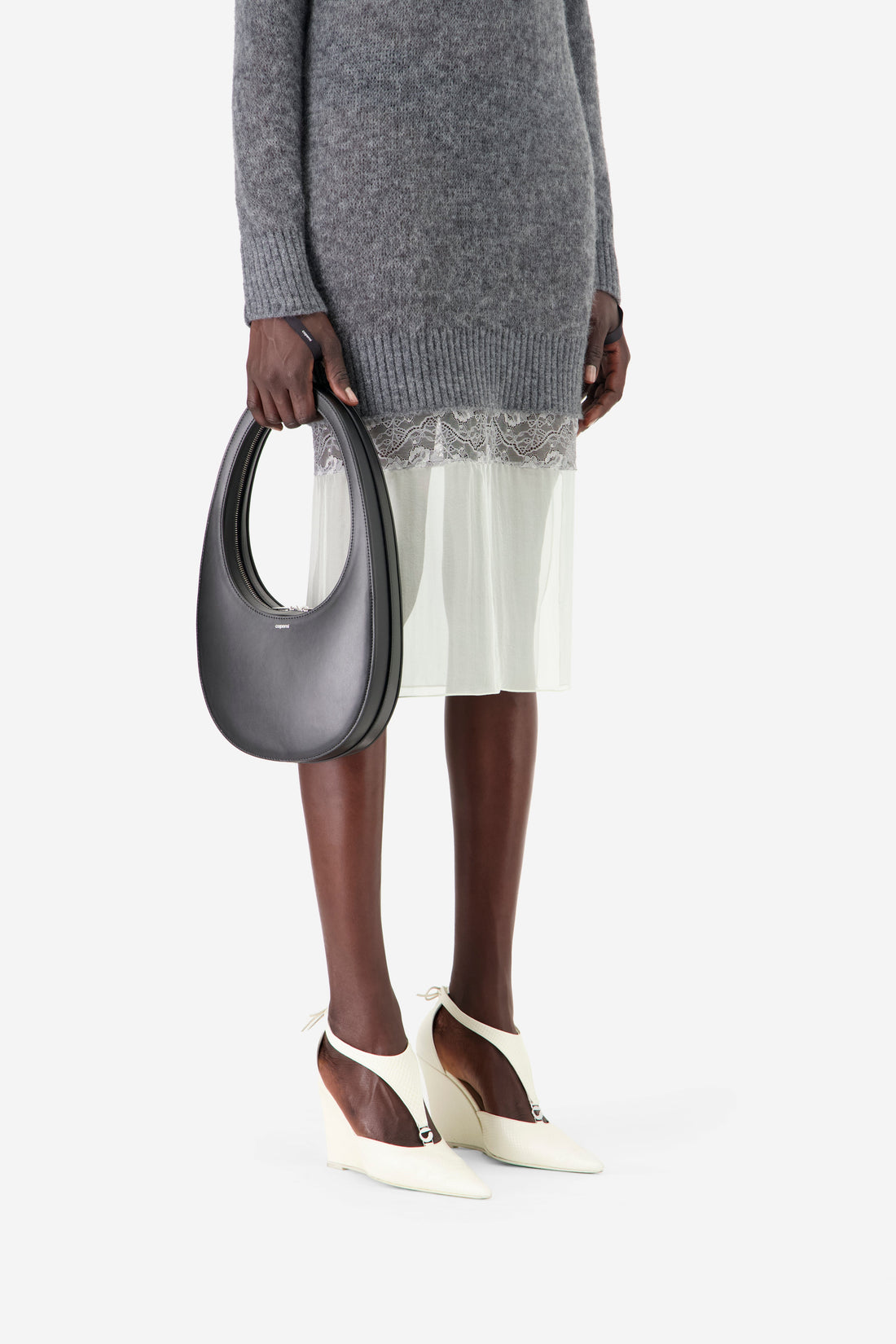
Lessons for the viral-brand era
NSS Magazine drew three business lessons from the crisis, and they are hard to argue with. First, control your cash flow: dependence on a partner that held the sales revenue left the brand without liquidity when payments stopped. Second, virality is not the same as sustainability, because costly spectacle did not translate into sales. Third, ownership structure matters, and a brand whose trademark and operations sit in different hands is fragile.
The industry has watched similar stories before, but few have been this vivid. Social media rewards the unexpected, and designers who learn to generate it can attract attention that established houses spend fortunes pursuing. The risk is that attention becomes the product, and the business underneath it is left unfunded.
What this means for you
If you own a Coperni piece, nothing about the news changes what you have, and limited-run brands that close often become collectible. Resale values for defunct labels can rise, but that is speculation rather than guidance.
If you shop for emerging labels, the story is a reminder to look at how a brand is financed and distributed, not only how it is photographed. Independent designers rarely control every link in the chain.
And if you work in or around fashion, the 26 people affected by the receivership are a human reminder that the glamour on the runway sits on top of ordinary payroll.
The bottom line
Coperni’s story is not about a lack of imagination. It is about the gap between imagination and infrastructure. The founders are leaving behind some of the most memorable fashion images of the decade, and a case study that business schools will likely cite. Whether Vaillant and Meyer return with a new project, as their statement hints they hope to, remains to be seen.



