Written By | Peter Luzinda
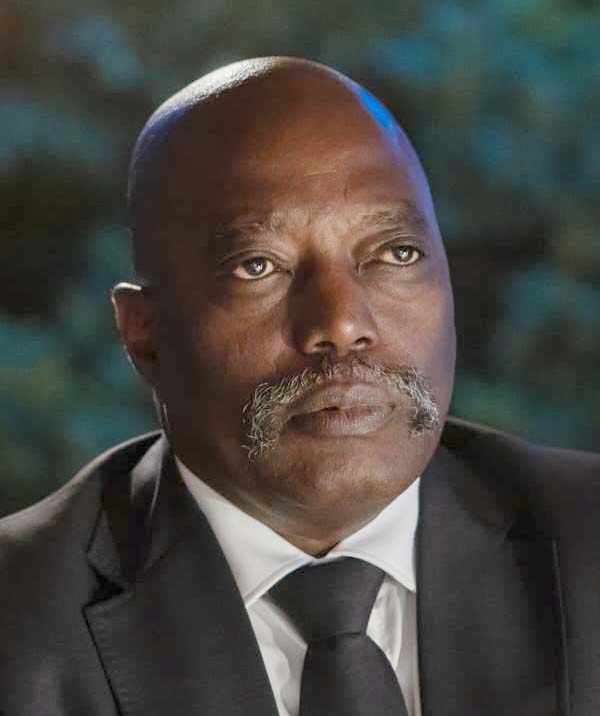
Former Democratic Republic of the Congo president Joseph Kabila
Kinshasa
Former Democratic Republic of the Congo president Joseph Kabila, who ruled the vast Central African nation for nearly two decades, has been declared a fugitive by Congolese authorities following his conviction in absentia on charges of treason, war crimes, and related offenses — a dramatic fall from power for one of Africa’s longest-serving leaders. A high military court in Kinshasa convicted Kabila in September 2025 of treason, crimes against humanity, war crimes (including murder, sexual assault, and torture), conspiracy, and organizing an insurrection in collaboration with the M23 rebel group, which has been active in the country’s volatile eastern region. He was sentenced to death and ordered to pay substantial damages (reports vary between $33 billion and higher figures). The court also ordered his immediate arrest.
Kabila, who has denied the allegations and described them as politically motivated, remains outside the country. His exact whereabouts are unclear, though he was last publicly seen in rebel-held areas earlier in 2025 and later appeared in Nairobi, Kenya, where he helped launch an opposition political movement.
The case marks a sharp deterioration in relations between Kabila and his successor, President Félix Tshisekedi. The two initially formed a fragile power-sharing arrangement after the disputed 2018 elections, but their alliance collapsed amid mutual accusations of betrayal and competition for influence.
Government officials allege that Kabila maintained ties with the M23 rebels destabilizing the mineral-rich eastern provinces — a region long plagued by armed conflict involving local militias and foreign-backed groups. Kabila and his supporters reject the charges as fabricated, accusing Tshisekedi’s government of using the courts to eliminate a political rival. Analysts note that limited public evidence has been presented in international forums, and the trial — conducted in absentia without defense counsel — has drawn criticism from human rights groups over fair-trial concerns.
Kabila first assumed power in 2001 following the assassination of his father, former president Laurent-Désiré Kabila. He consolidated control over the government and military, staying in office beyond constitutional term limits before stepping down in 2019 under international and domestic pressure.
His departure led to Tshisekedi’s presidency, though the transition was widely viewed as contested. Since then, the Congolese political landscape has remained tense, marked by shifting alliances and persistent security challenges in the east.
The development comes as the Democratic Republic of the Congo continues to grapple with armed violence in its eastern territories, a severe humanitarian crisis, and ongoing questions about governance and accountability. Observers describe the pursuit of a former head of state on such grave charges as unprecedented and reflective of deep fractures within the nation’s political system.
For now, it remains uncertain whether Kabila will face arrest or any form of international legal action. His case is likely to heighten political tensions in Kinshasa and further complicate efforts to stabilize one of Africa’s most resource-rich yet conflict-ridden countries.
Torch Media Africa



