Written By |
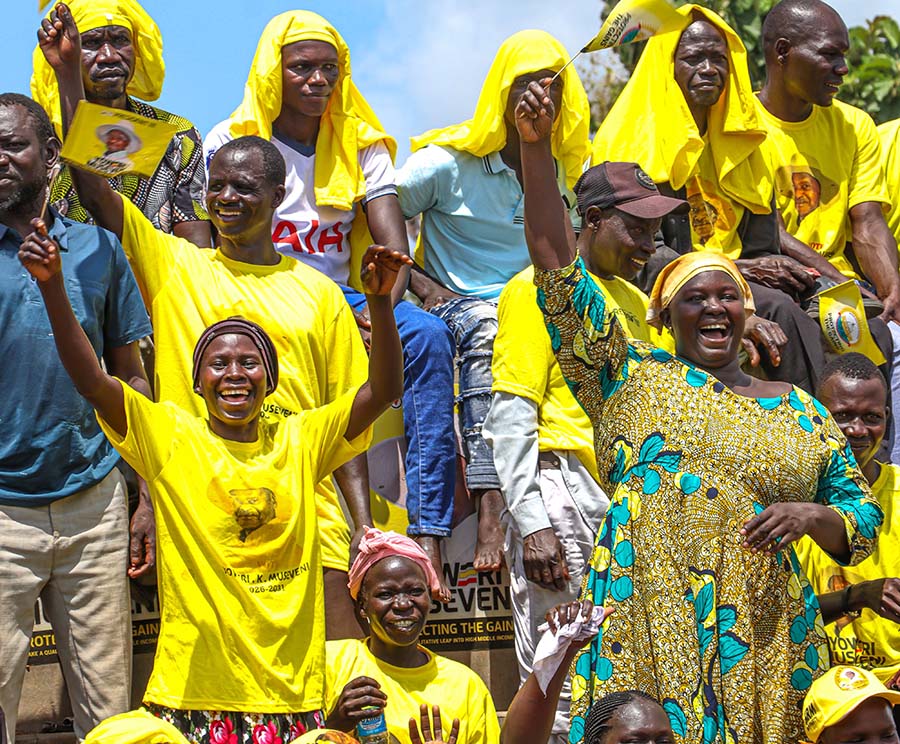
NRM supporters
By Evan Sande Ndahura
The Confusion in Uganda’s Political Family
When the dust from the National Resistance Movement (NRM) party primaries settles, a familiar pattern emerges: the “losers” of internal contests reappear on the campaign trail — not as outcasts, but as NRM-leaning Independents. They compete against official NRM flag bearers yet continue to campaign for President Yoweri Museveni and proudly proclaim loyalty to the ruling party.
This phenomenon, while seemingly harmless, has far-reaching consequences for Uganda’s political evolution and democratic growth. It exposes a deep contradiction between the principles of multiparty democracy and the culture of personalized politics that continues to define Uganda’s governance.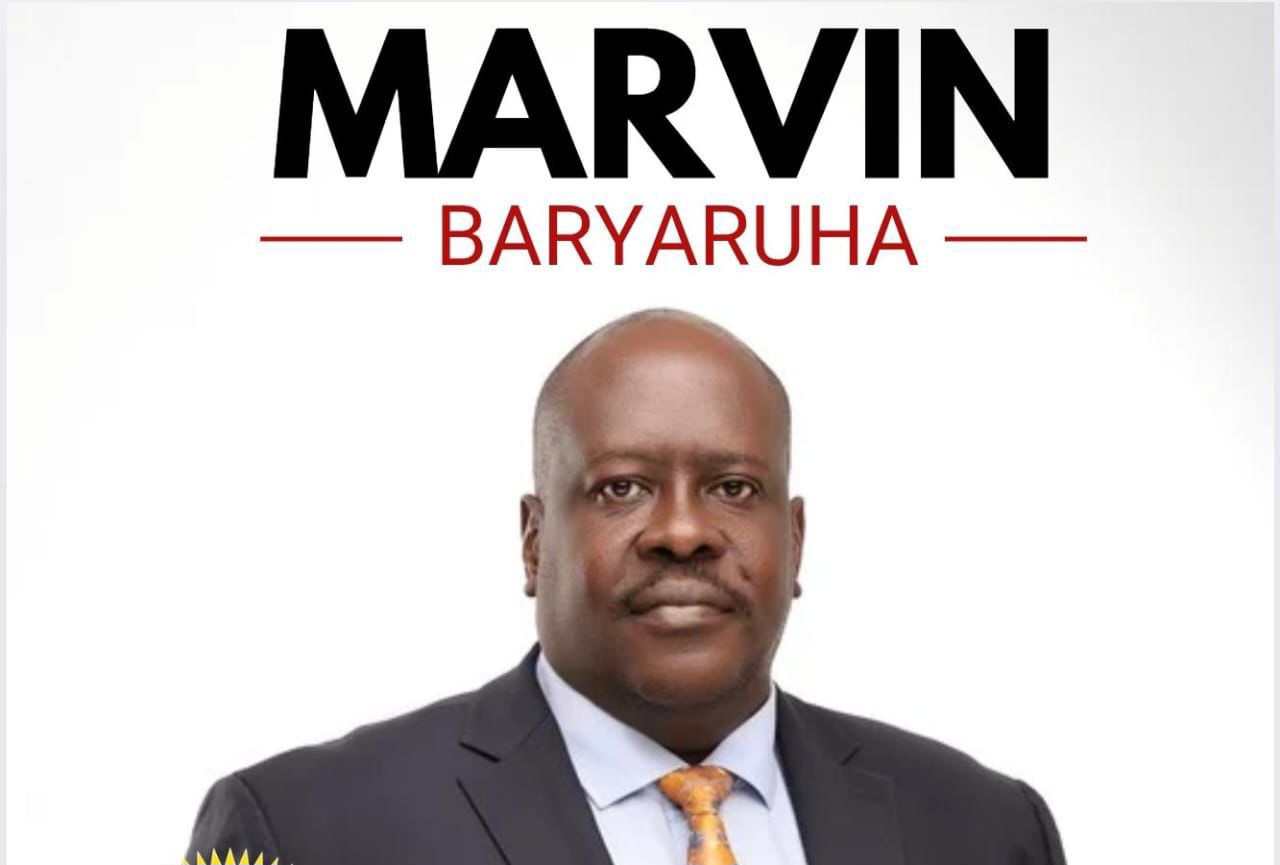
Marvin, an NRM contestant in Ishaka-Bushenyi Municipality, decided to come as independent
Historical Context: From “No-Party” to “All-Party” Politics
Uganda’s return to multiparty politics in 2005, following a national referendum, was celebrated as a turning point. After nearly two decades under the Movement system — a “no-party democracy” led by President Museveni — the restoration of competitive politics was expected to promote institutional balance, accountability, and ideological pluralism. However, as political historian Prof. Sabiti Makara once observed,
“The NRM transformed the multiparty system into a multi-NRM system — where opposition parties exist by law but not by influence.”
The rise of independent candidates from within the ruling party illustrates this distortion, creating a hybrid system where the ruling party simultaneously acts as both the state and the opposition to itself.
The “Independent NRM” Dilemma
When NRM primaries end in disputes — often marred by allegations of vote rigging, intimidation, or favoritism — many aspirants refuse to concede defeat. Instead of accepting disciplinary action or joining the opposition, they declare independence while maintaining allegiance to the President and the NRM’s broader agenda.
During the 2021 general elections, dozens of such candidates emerged. Some even defeated officially endorsed NRM flag bearers, creating a Parliament filled with self-proclaimed “NRM Independents.”
As Dr. Busingye Kabumba, a constitutional law scholar at Makerere University, aptly put it:
“These independents are a symptom of a political culture that values loyalty to personalities over loyalty to institutions.”
Why the NRM Tolerates “Independents”
Unlike many disciplined political systems, the NRM rarely expels such members. Instead, President Museveni has repeatedly urged them to “come back home,” famously describing the party as a “broad church that accommodates all.”
There are several political calculations behind this tolerance:
A “Controlled Democracy” Strategy:
By allowing dissent to stay under the yellow umbrella, the NRM keeps Uganda’s political competition largely internal — offering the illusion of pluralism without genuine power alternation.
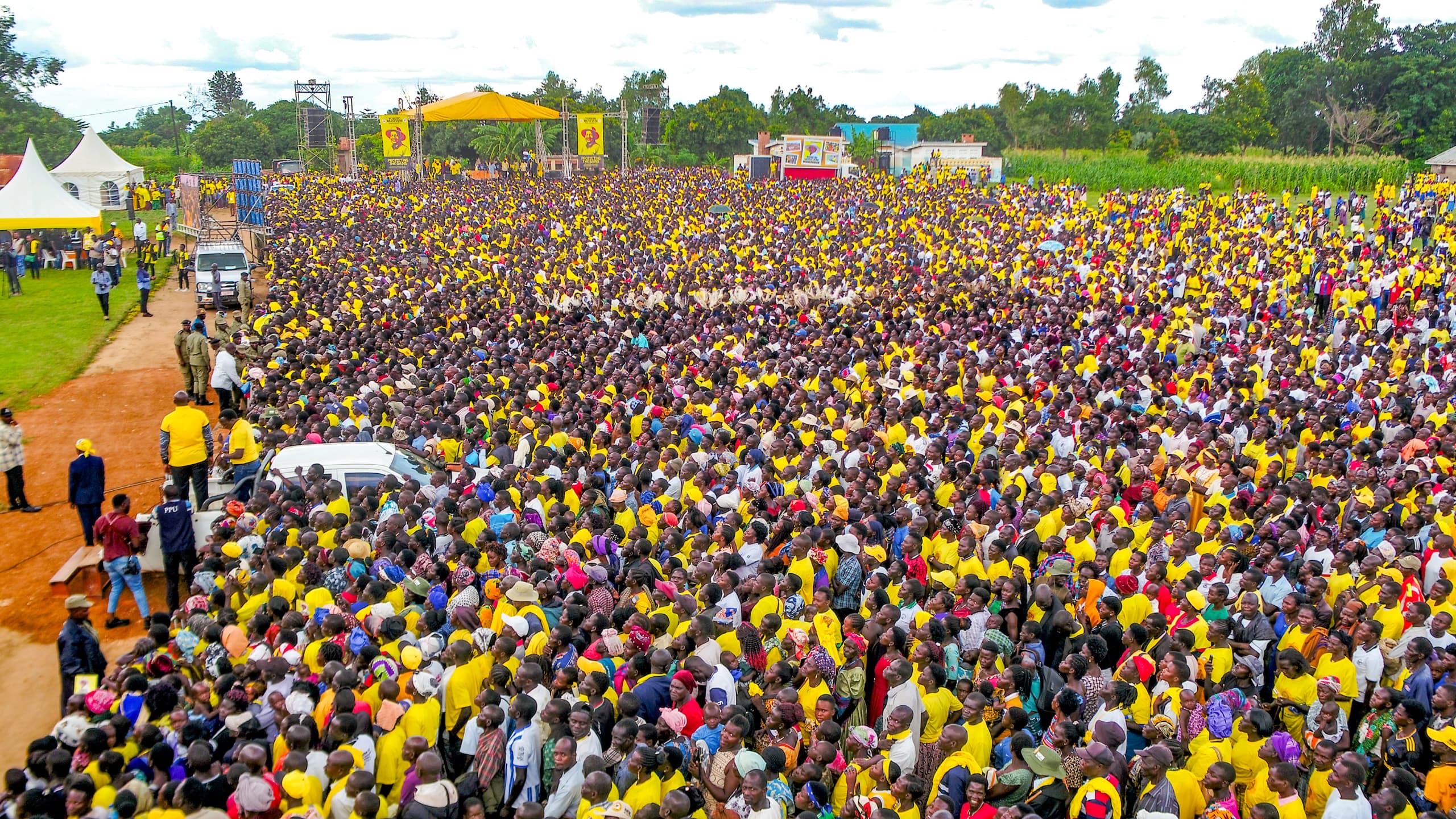
NRM supporters at Museveni Rally
Effects on Democratic Growth
The rise of NRM-leaning independents blurs the boundaries between party discipline and personal ambition. It undermines the Political Parties and Organisations Act (2005), which emphasizes internal democracy and ideological clarity.
According to the Electoral Commission, parties are required to submit official flag bearers and respect internal processes. However, the NRM’s tolerance of independents has turned that process into a mere formality.
As Prof. Joe Oloka-Onyango notes,
“You cannot have a genuine multiparty democracy when one party behaves as a state and the rest operate as tolerated minorities.”
This fusion politics erodes citizens’ confidence in organized opposition and in the sanctity of electoral competition. It creates a Parliament of convenience rather than conviction, where many MPs vote not on principle but on proximity to the President.
Scholarly Commentary and Democratic Theory
Political scientists argue that strong democracies depend on strong parties, not strong individuals. As Giovanni Sartori, a renowned theorist of party systems, once wrote:
“A democracy without disciplined parties is like a body without a backbone — it can move, but it cannot stand upright.”
Uganda’s experience confirms this. The constant accommodation of independents dilutes ideology, weakens accountability, and normalizes opportunism.
Instead of fostering ideological competition, Uganda has developed what some scholars call a “patronage democracy” — where political identity is less about belief and more about belonging.
Conclusion: The Need for Political Reawakening
Uganda’s democracy will not mature until political parties evolve into genuine institutions of governance rather than instruments of survival. The NRM’s continued acceptance of independent candidates — even those who openly defy party primaries — reveals a deep resistance to internal reform. Unless Uganda redefines its political rules, strengthens internal party democracy, and enforces the Political Parties and Organisations Act without fear or favor, the nation will remain trapped in a cycle of “family politics.”
As Uganda heads toward another election season, one question lingers:
Will the next Parliament reflect the will of the people — or the will of a party that refuses to let go of its own?



