Written By | Health News Agencies
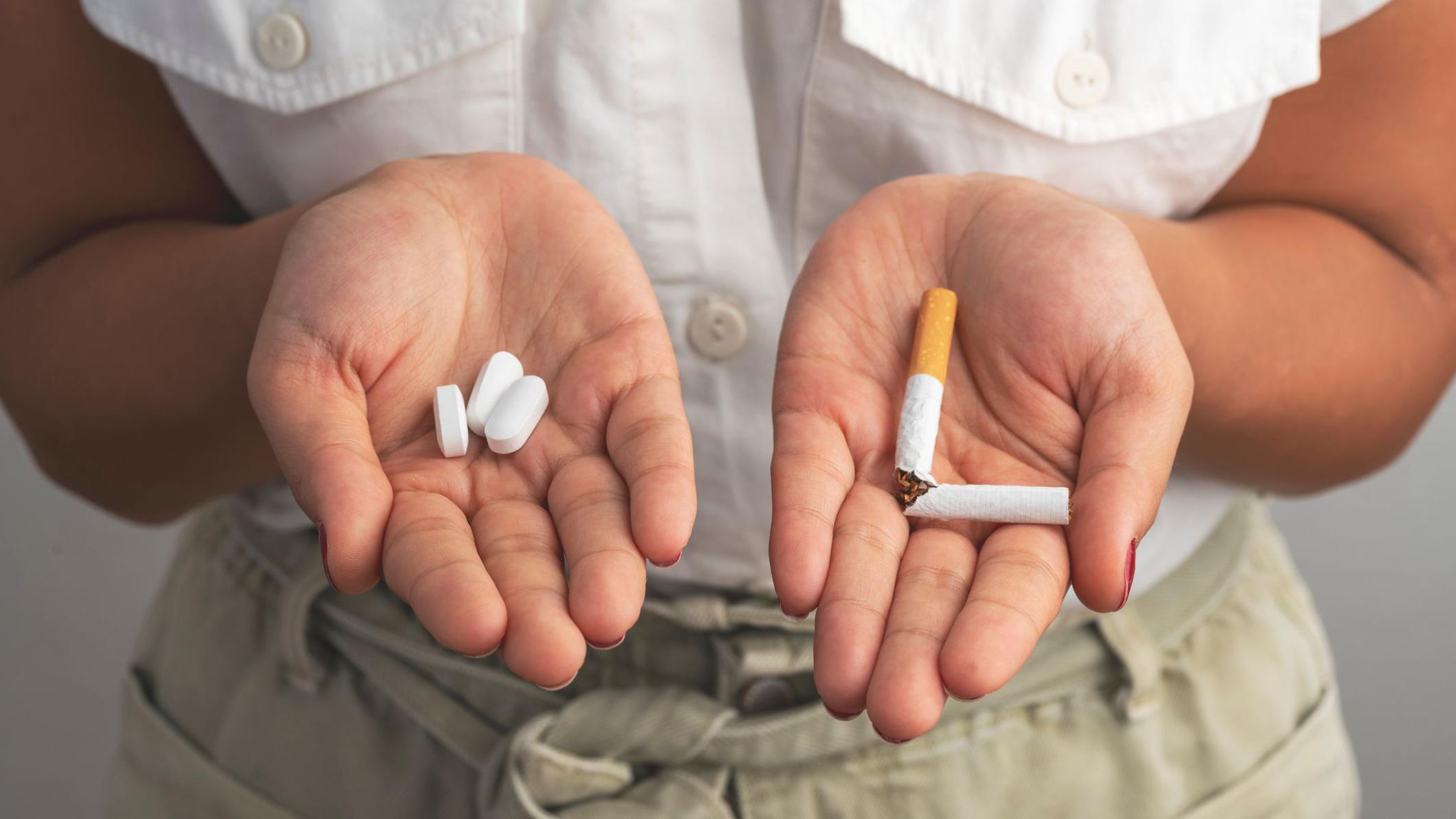
The U.S. has not seen a truly new smoking cessation drug in two decades.
WASHINGTON, D.C.
For over sixty years, smokers in Eastern Europe have reached for a little yellow pill made from the seeds of the golden rain tree — a plant so toxic its pods have killed children. Now, the U.S. is on the verge of catching up.
The FDA is expected to rule on cytisinicline by June 20. If approved, it will be the first genuinely new smoking cessation drug in roughly 20 years — ending a drought that has cost hundreds of thousands of lives.
A Killer Hiding in Plain Sight
Every day in America, 1,300 people die from cigarettes — 480,000 per year. Smoking causes one in four cancer deaths and 80–90% of lung cancer fatalities. Yet 28.8 million Americans still smoke, and most want to quit. Existing medications (patches, gum, bupropion, and varenicline/Chantix) work for some, but many fail. Chantix, approved in 2006, has been shadowed by psychiatric side-effect warnings and a 2021 contamination recall. The U.S. has not seen a truly new smoking cessation drug in two decades.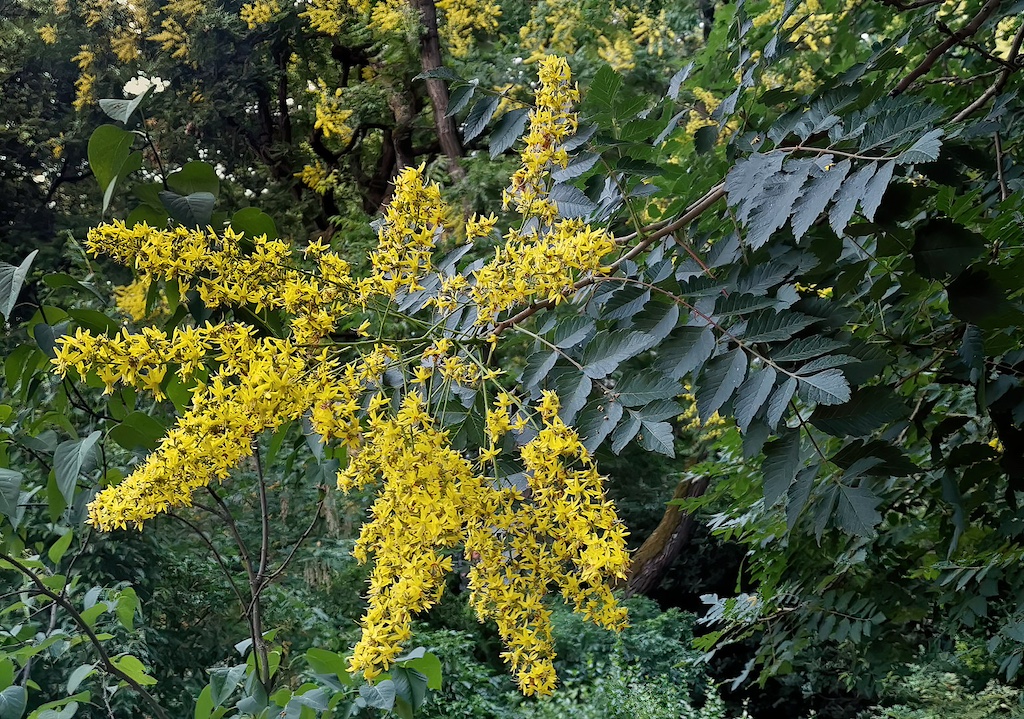
From a Toxic Tree to a Life-Saving Pill
Cytisinicline is an alkaloid extracted from the golden rain tree (Laburnum anagyroides). The compound is structurally similar to nicotine. It works as a partial agonist of the brain's nicotinic acetylcholine receptors — releasing enough dopamine to blunt withdrawal and cravings while blocking nicotine from binding. Cigarettes become less satisfying; quitting becomes easier.
First identified in the 1960s by Polish scientists, a crude version (Tabex) has been used across Eastern Europe. Achieve Life Sciences developed the modern, pharmaceutical-grade cytisinicline now before the FDA.
The Numbers That Silenced the Sceptics
Two large Phase 3 trials (ORCA-2 and ORCA-3, over 1,600 participants) showed:
Side effects — especially nausea — were low and comparable to placebo, a key advantage over varenicline.
Beyond Cigarettes: The Vaping Epidemic
Over 13 million Americans use nicotine e-cigarettes. There is currently zero FDA-approved medication to help them quit. In July 2024, the FDA granted cytisinicline a Breakthrough Therapy designation for vaping dependence. Phase 2 data showed users were 2.6 times more likely to quit vaping than placebo. A separate vaping approval could follow relatively quickly.
Expert Perspective
Public health researchers are cautiously optimistic. Cytisinicline's efficacy is real, and its cleaner side-effect profile could get more smokers to start and complete treatment. Critics note that absolute quit rates remain below 35% — but no pill eliminates nicotine addiction alone. What matters is the large, consistent improvement over placebo.
Open questions remain: pricing, insurance coverage, and access for lower-income and rural populations who bear a disproportionate burden of tobacco addiction.
What This Means for You
If approved on June 20, cytisinicline will likely take several weeks to reach pharmacies. For smokers put off by varenicline's side effects, it offers a new option with better tolerability. For the 13 million vapers with no approved medication, it offers hope. Doctors should watch for FDA communication and familiarize themselves with dosing (3mg, three times daily, for 6 or 12 weeks, ideally combined with behavioral counseling).
A Tree That Once Killed — Now Saving Lives
The golden rain tree has killed careless gardeners and curious children. Now, if the FDA agrees with the evidence, it may save hundreds of thousands of lives instead. Smoking remains the leading preventable cause of death in the U.S. June 20 is six days away. The countdown has begun.



