SCIENCE & HEALTH
Six years ago, an oncologist telling a melanoma patient "we're going to inject a virus into your tumor" would have sounded like a plot twist from a horror film, not a treatment plan. Today it's federal policy.
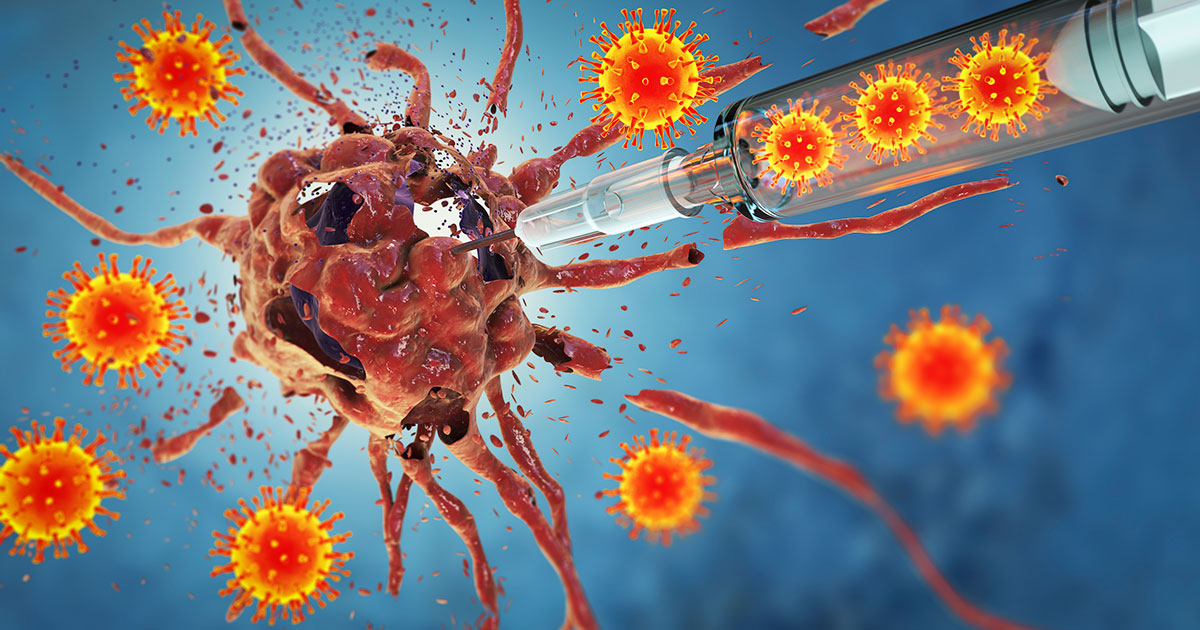
On August 6, 2026, the U.S. Food and Drug Administration granted accelerated approval to Tudriqev (vusolimogene oderparepvec-wtpg), a genetically engineered herpes simplex virus, type 1, designed to be injected directly into melanoma tumors, where it multiplies inside cancer cells, bursts them open, and — in the process — flags the tumor for the immune system to finish the job. Paired with the blockbuster immunotherapy drug nivolumab (sold as Opdivo), the combination has now become the newest weapon against one of the hardest cancers to treat once it stops responding to standard immunotherapy.
It sounds like science fiction. It's not. And for a small but growing number of melanoma patients who had already burned through every other option, it may be the difference between a hospice conversation and a normal Tuesday.
THE THIRD-TIME CHARM
Tudriqev's road to approval was anything but smooth. Developed by Massachusetts-based biotech Replimune under the name RP1, the therapy was rejected by the FDA not once but twice before finally clearing the bar this month — a regulatory saga so drawn-out that trade press had taken to calling it "RP1's long road."
The turning point came when Replimune's data went in front of the FDA's Cellular, Tissue and Gene Therapies Advisory Committee, which voted in favor of the IGNYTE trial data supporting RP1 plus nivolumab in advanced melanoma. That vote gave the agency the cover it needed to grant accelerated approval — a pathway reserved for treatments that address serious, unmet medical needs based on early evidence of benefit, even before a full confirmatory trial wraps up.
Replimune CEO Sushil Patel didn't hide his relief when the approval finally landed. "We are incredibly grateful to those internally and externally who fought so hard for patient access to this innovative and important therapy," he said in a statement following the FDA's decision.
As a condition of that accelerated approval, Replimune is now required to run additional confirmatory trials to prove the drug delivers a real clinical benefit — meaning Tudriqev's full approval status is still, technically, on probation.
WHAT'S ACTUALLY IN THE SYRINGE
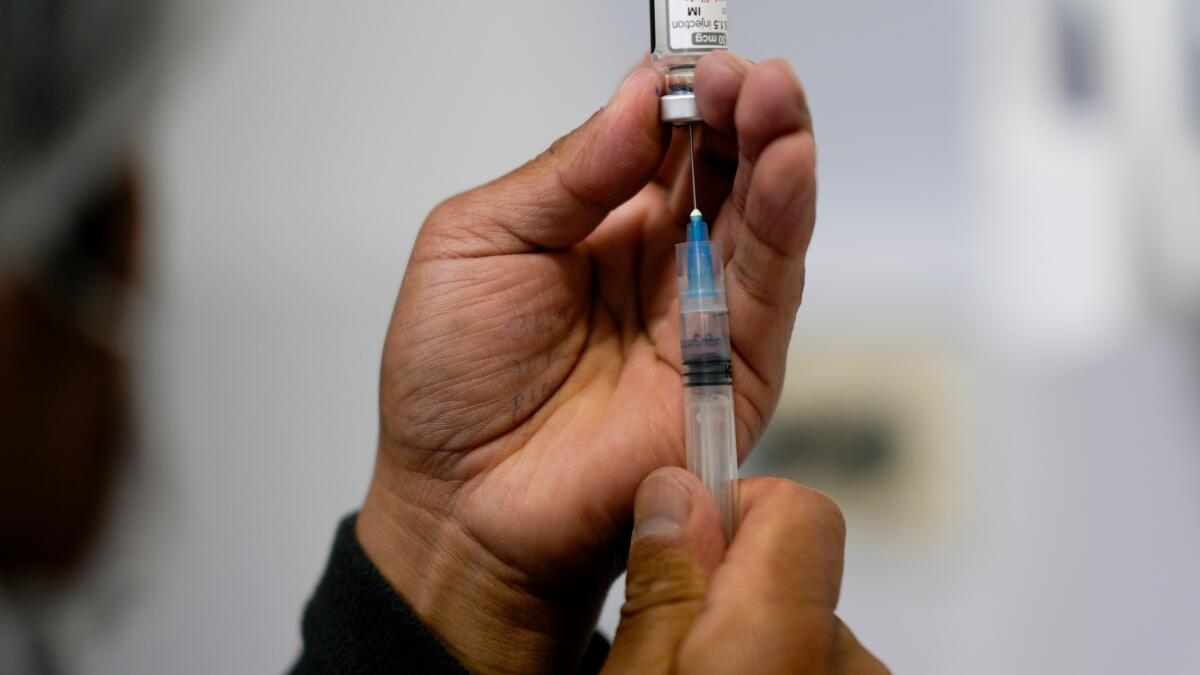
Here's the part that sounds like science fiction but is now sitting in a syringe in oncology clinics: Tudriqev is a live, genetically modified herpes simplex virus — the same viral family behind cold sores — that has been stripped of the genes it needs to infect and damage normal, healthy cells, then re-engineered to preferentially replicate inside cancer cells.
Once inside a tumor, the virus does two things simultaneously. First, it replicates aggressively enough to rupture the cancer cells from within, a process oncologists call "oncolysis" — literally, cancer dissolution. Second, as those cells burst, they spill tumor debris and viral particles into the surrounding tissue, which acts like a flare gun for the immune system, drawing T-cells to a tumor site the body had previously been ignoring or actively tolerating.
That second mechanism is why Tudriqev is given alongside nivolumab, a PD-1 checkpoint inhibitor that essentially takes the brakes off the immune system's T-cells. The virus lights the fire; nivolumab keeps it from being extinguished.
Administration isn't a single shot and done. Patients receive injections directly into visible or palpable tumors every two weeks, for eight consecutive doses — a regimen that requires the cancer to be physically accessible to a needle, which is part of why the approval is specifically for cutaneous (skin-based) melanoma rather than internal tumors.
THE NUMBERS BEHIND THE HEADLINE
The approval rests on data from the IGNYTE trial (NCT03767348), an open-label study of 140 adult patients with Stage IIIB, IIIC, or IV unresectable advanced melanoma — all of whom had already progressed after at least eight consecutive weeks of prior anti-PD-1 therapy. In blunt terms: these were patients for whom the standard-of-care immunotherapy had already failed.
Among 91 evaluable patients, 24% achieved an objective response — meaning their tumors measurably shrank or disappeared. That number alone might not sound like a home run, but the durability of those responses is what has oncologists paying attention: the median duration of response was 14.1 months, and follow-up data presented at the 2026 American Society of Clinical Oncology annual meeting pushed the story further.
In a three-year landmark overall survival analysis from IGNYTE, patients treated with RP1 plus nivolumab achieved a median overall survival of 32.9 months. At the three-year mark, 47.8% of all treated patients were still alive — and among those who responded to treatment, that survival rate climbed to 83.5%. Nearly 45% of responders maintained their response three years out.
Put another way: for patients whose melanoma had already outsmarted the best modern immunotherapy has to offer, roughly one in four saw their tumors respond — and of those responders, more than four in five were still alive three years later. In advanced, treatment-resistant melanoma, that is not a modest result.
The safety profile, researchers say, has held up too. Side effects were largely grade 1-2 — flu-like symptoms, fatigue, and injection-site reactions consistent with what's already known about oncolytic viruses and checkpoint inhibitors — with no new safety signals emerging across the trial population, which spanned patients regardless of PD-L1 status, disease stage, or whether their melanoma was primarily or secondarily resistant to prior anti-PD-1 treatment.
THE PRICE TAG
None of this comes cheap. Tudriqev's list price has been set at $450,000 per course of therapy, before the rebates and discounts that typically shave real-world costs down from sticker price. For a therapy delivered via eight biweekly injections over roughly four months, that works out to well over $50,000 per dose before negotiation — squarely in line with, though not dramatically higher than, other advanced biologic cancer therapies that have come to market in the past several years.
Insurance coverage details are still being worked out clinic by clinic, and patient advocacy groups are watching closely to see whether Medicare and private payers move quickly to cover a therapy that, technically, remains under an accelerated approval pending confirmatory data.

WHY THIS MATTERS BEYOND MELANOMA
Melanoma is the fifth most common cancer diagnosed in the United States and, while it makes up only about 1% of all skin cancers, it's responsible for the overwhelming majority of skin cancer deaths. The American Cancer Society estimates 234,680 new melanoma cases will be diagnosed in the U.S. in 2026 — split between roughly 122,680 non-invasive, in-situ cases and 112,000 invasive cases — with an estimated 8,510 deaths this year alone. That's nearly 20 Americans dying from melanoma every single day.
The encouraging backdrop is that overall melanoma death rates have actually been falling over the last decade, dropping roughly 2% per year in women and 3% per year in men, largely thanks to the first wave of checkpoint inhibitors like nivolumab and pembrolizumab that transformed advanced melanoma from an almost-certain death sentence into a manageable, sometimes curable disease for many patients. Tudriqev is aimed squarely at the population those earlier drugs left behind: patients whose disease has already learned to evade PD-1 blockade.
That's also why oncologists are watching this approval as a bellwether for a much bigger category of medicine. Oncolytic viral therapy — using modified, cancer-seeking viruses as a delivery mechanism for both direct tumor destruction and immune activation — has been a research target for decades, with only a handful of approved products worldwide. Tudriqev's approval, on the heels of its rocky two-rejection history, signals that regulators are willing to greenlight this class of therapy when the durability data is strong enough, even if response rates on paper look modest next to newer blockbuster drugs.
Physician enthusiasm appears to be running ahead of the marketing department. Trade coverage has noted Replimune is expecting to "ride a wave of physician support" into its commercial launch, betting that oncologists who watched patients run out of options will be eager to offer something — anything — with three-year survival data behind it.
WHAT THIS MEANS FOR YOU
If you or someone you love has been diagnosed with advanced cutaneous melanoma, the practical takeaway is this: Tudriqev is not a first-line treatment. It's approved specifically for adults whose melanoma is unresectable (can't be surgically removed), has spread (Stage IIIB, IIIC, or IV), and has already progressed despite standard anti-PD-1 immunotherapy such as nivolumab or pembrolizumab. If you're newly diagnosed and haven't yet tried immunotherapy, this drug isn't the immediate next step — but it may become relevant down the line if first-line treatment stops working, and it's worth asking your oncologist whether your tumor is physically accessible enough for direct injection, since that's a requirement of the therapy.
For patients who do qualify, the bigger-picture message is one of cautious hope rather than a miracle cure: roughly one in four patients responds, but among those who do, the odds of being alive years later are strikingly good. That's a very different conversation than the one oncologists were having with treatment-resistant melanoma patients even five years ago.
It's also worth understanding that this is an "accelerated approval," a regulatory category that comes with strings attached. The FDA is betting on early trial data while Replimune runs additional confirmatory studies; if those studies don't ultimately verify a clinical benefit, the approval could theoretically be revisited. For now, though, patients and doctors alike are treating it as a real, if expensive, option — one more tool in an arsenal that, until fairly recently, ran out fast once standard immunotherapy failed.
Beyond individual patients, Tudriqev's approval matters as a proof of concept. If a genetically engineered virus can be safely and repeatedly injected into human tumors, multiply inside cancer cells, and durably rev up the immune system against a cancer that had already learned to hide from it, the next obvious question — one Replimune and rival biotechs are already asking — is which other cancers might respond to the same trick.
THE BOTTOM LINE
For nearly two decades, "using a virus to fight cancer" lived mostly in scientific journals and biotech investor decks. Now it's an FDA-approved treatment with three-year survival data, a price tag north of $450,000, and a growing base of oncologists willing to bet on it for patients who had run out of other options. It won't replace the immunotherapies that already save tens of thousands of lives each year — but for the melanoma patients those drugs failed, Tudriqev just became a very real, very expensive second chance.
Published By | Features Editor