PARIS
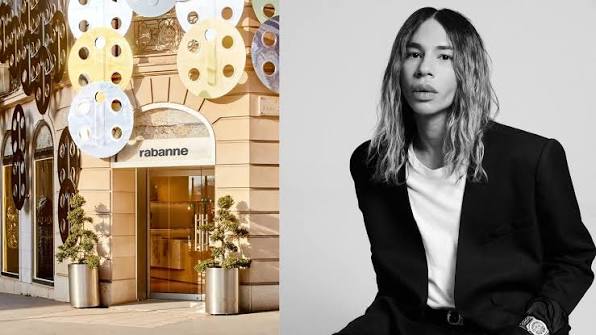
Fashion houses don't often get to reinvent themselves twice in the span of a single summer, but Rabanne has managed exactly that. On July 14, the storied French maison confirmed what industry insiders had been quietly predicting for months: Olivier Rousteing, who spent 14 years transforming Balmain into a globally recognized, celebrity-magnetized powerhouse before stepping down last December, is joining Rabanne as its new creative director.
The appointment closes out a rapid-fire month of speculation and positions Rousteing at the helm of a house with a very different DNA than the one he leaves behind — one rooted not in Balmain's power-shoulder maximalism, but in the space-age, chainmail-clad futurism that made Paco Rabanne one of the most radical designers of the 1960s.
A Changing of the Guard
Rousteing succeeds Julien Dossena, who announced his own departure from Rabanne on June 24 after 13 years steering the house's creative direction — a tenure that quietly and steadily rebuilt Rabanne's relevance among a new generation of shoppers drawn to its metallic hardware, disco-era sensuality, and body-conscious silhouettes. Dossena's exit, followed just three weeks later by Rousteing's arrival, marks one of the more compressed creative-director handoffs the industry has seen this year, a sign of how quickly fashion houses are now moving to fill vacancies before speculation calcifies into a PR problem.
For Rousteing, the move represents his first major post-Balmain assignment, and arguably the most closely watched creative reinvention of his career. At Balmain, he became famous — some would say defined — by an aesthetic built around body-hugging tailoring, military-inspired structure, and a star-studded ambassador roster that included everyone from Kim Kardashian to Rihanna to Beyoncé, whom he dressed for some of the most photographed moments of the past decade. He took over the house at just 25 years old, becoming the youngest creative director in Balmain's history and, in the years that followed, one of the most recognizable names in the industry's celebrity-fashion economy.
"A House That Has Always Challenged Convention"
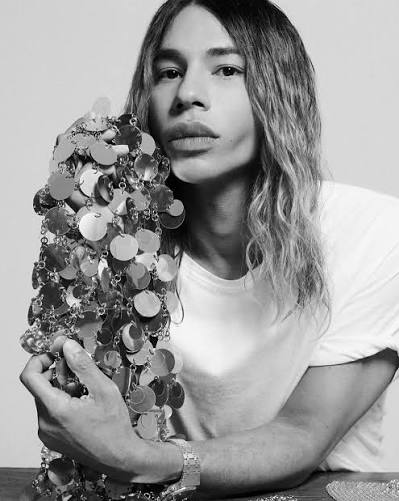
In a statement released alongside the announcement, Rousteing reflected on what drew him to the role. "Joining Rabanne is a tremendous honor," he said. "This is a House that has always challenged convention, transforming bold ideas into creations that have shaped fashion history." The language is notable for what it signals about his intentions: rather than positioning himself as someone importing the Balmain playbook wholesale into a new house, Rousteing is framing the move as an alignment with Rabanne's own history of disruption — the same instinct for radical reinvention that made Paco Rabanne, working with unconventional materials like metal discs, plastic, and chainmail in the 1960s, one of fashion's original provocateurs.
That framing matters, because the challenge facing any incoming creative director at a house like Rabanne isn't simply to impose a signature style — it's to find where their own instincts intersect with a legacy that already has a clearly defined identity. Rabanne's futurist, hardware-driven aesthetic has proven durable precisely because successive designers, including Dossena, have found ways to modernize it without erasing what made it recognizable in the first place.
What Comes Next
Rousteing won't be rushing to the runway. According to the announcement, his first tangible output for the house will be a pre-fall collection presented in November 2026, giving him several months to settle into the role before facing broader public scrutiny. His first full runway show will follow during Paris Fashion Week in March 2027 — the moment the industry will really be watching, when Rousteing unveils a complete creative vision for the house rather than a transitional stopgap collection.
That timeline gives Rousteing roughly eight months of relative quiet to reshape Rabanne's studio, establish relationships with its ateliers, and decide how much of his signature Balmain instincts — the body consciousness, the maximalist glamour, the celebrity-facing marketing machine — will translate into a house built on entirely different materials and a very different creative history.
Industry Reaction
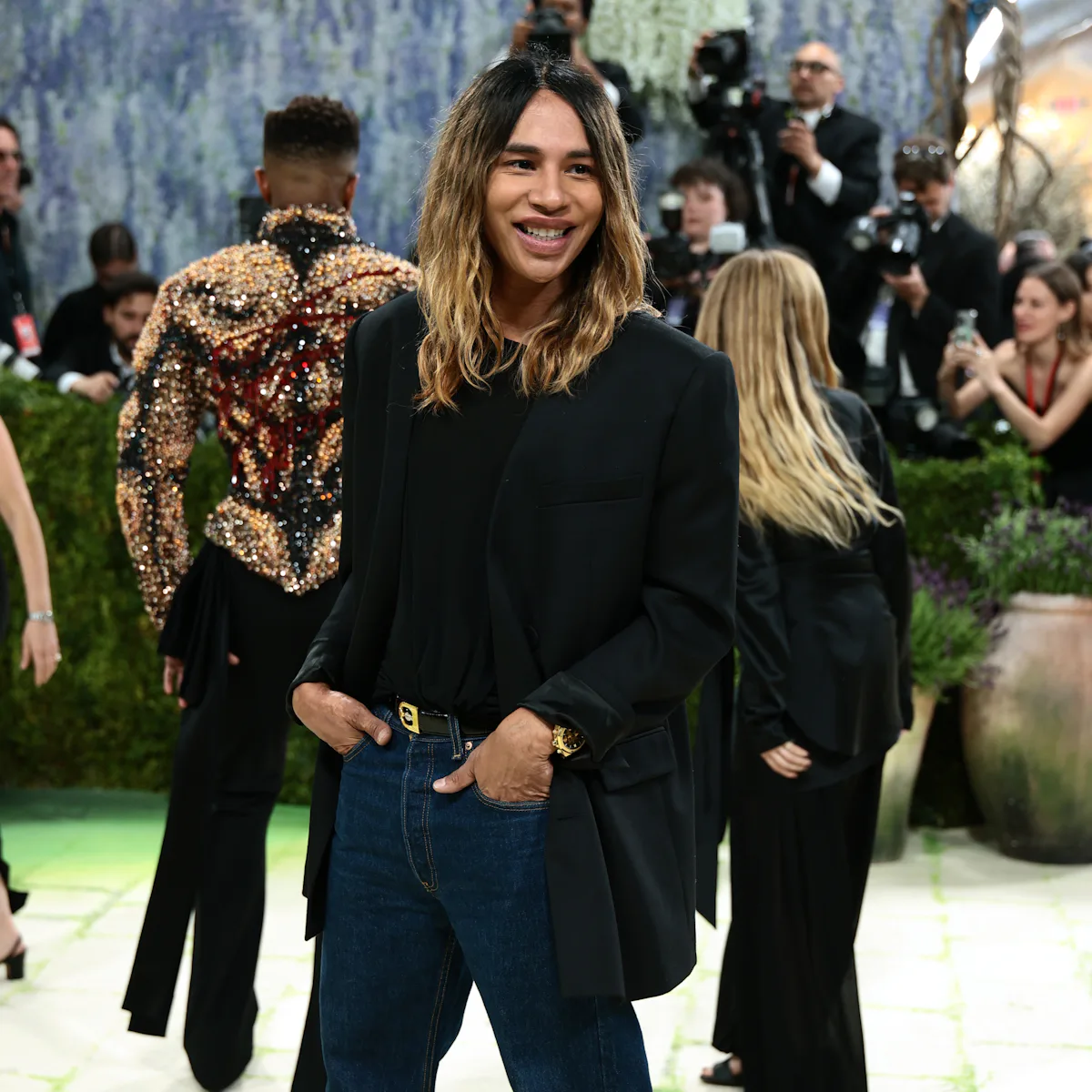
Trade coverage of the appointment across outlets including WWD, Fashionista, and FashionNetwork has largely framed the move as a natural, if slightly surprising, landing spot — surprising in the sense that few would have paired Rousteing's maximalist, body-driven Balmain sensibility with Rabanne's more architectural, materials-first futurism, but natural in that both houses share an appetite for spectacle and a willingness to lean into fashion as performance. Industry watchers have also noted the timing: Rousteing's departure from Balmain in December capped a run long enough that speculation about his next move had become something of a parlor game among fashion journalists, with Rabanne emerging as a frontrunner only in the past several weeks.
What This Means for You
If you're a shopper who has followed Rabanne for its distinctive hardware dresses and metallic accents, the coming year is worth watching closely — creative director transitions are exactly the moments when a house's silhouette, price point, and marketing personality can shift most dramatically. Expect Rabanne's ad campaigns and ambassador partnerships to start reflecting Rousteing's celebrity-forward instincts well before his actual designs hit the runway. And if you're someone who admired what Rousteing built at Balmain, the November pre-fall collection will be the first real signal of how much of that sensibility travels with him — and how much he's willing to let Rabanne's own history shape what comes next.
The Bigger Picture
Rousteing's move is also a reminder of just how fluid the upper tier of fashion leadership has become in 2026, with major houses continuing to reshuffle their creative direction at a pace that keeps the industry's rumor mill in constant motion. For a house like Rabanne, landing a name as recognizable as Rousteing is itself a statement of ambition — a bet that his star power and design instincts can push a beloved but comparatively niche house into a bigger cultural conversation. Whether that bet pays off won't be clear until the lights go up on his first runway show in March. Until then, the fashion world will be watching every hire, every campaign image, and every hint of what Rousteing's Rabanne might actually look like.
Published By | Features Editor