Written By |
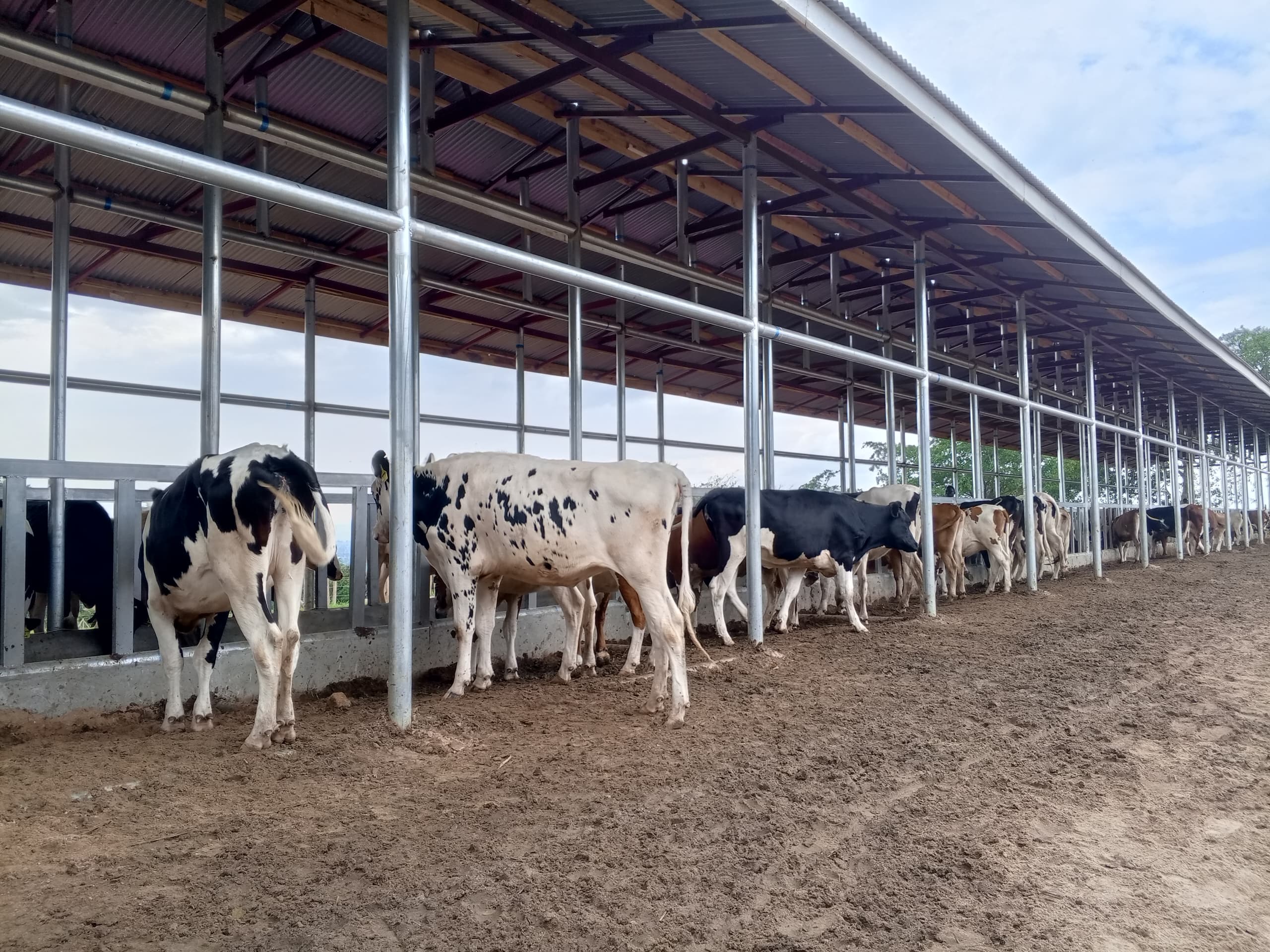
Some of the imported improved quality breeds at stock farm Mbarara
By Joshua Nahamya
Mbarara City
Ministers, Members of Parliament, and scientists from the National Agricultural Research Organisation (NARO) have commissioned Uganda’s first-ever National Dairy Centre of Excellence, aimed at boosting milk production and improving livestock management across the country. The state-of-the-art centre, located at the Mbarara Zonal Agricultural Research and Development Institute (MbZARDI), was inaugurated by the Minister of Agriculture, Animal Industry and Fisheries (MAAIF), Hon. Frank Tumwebaze.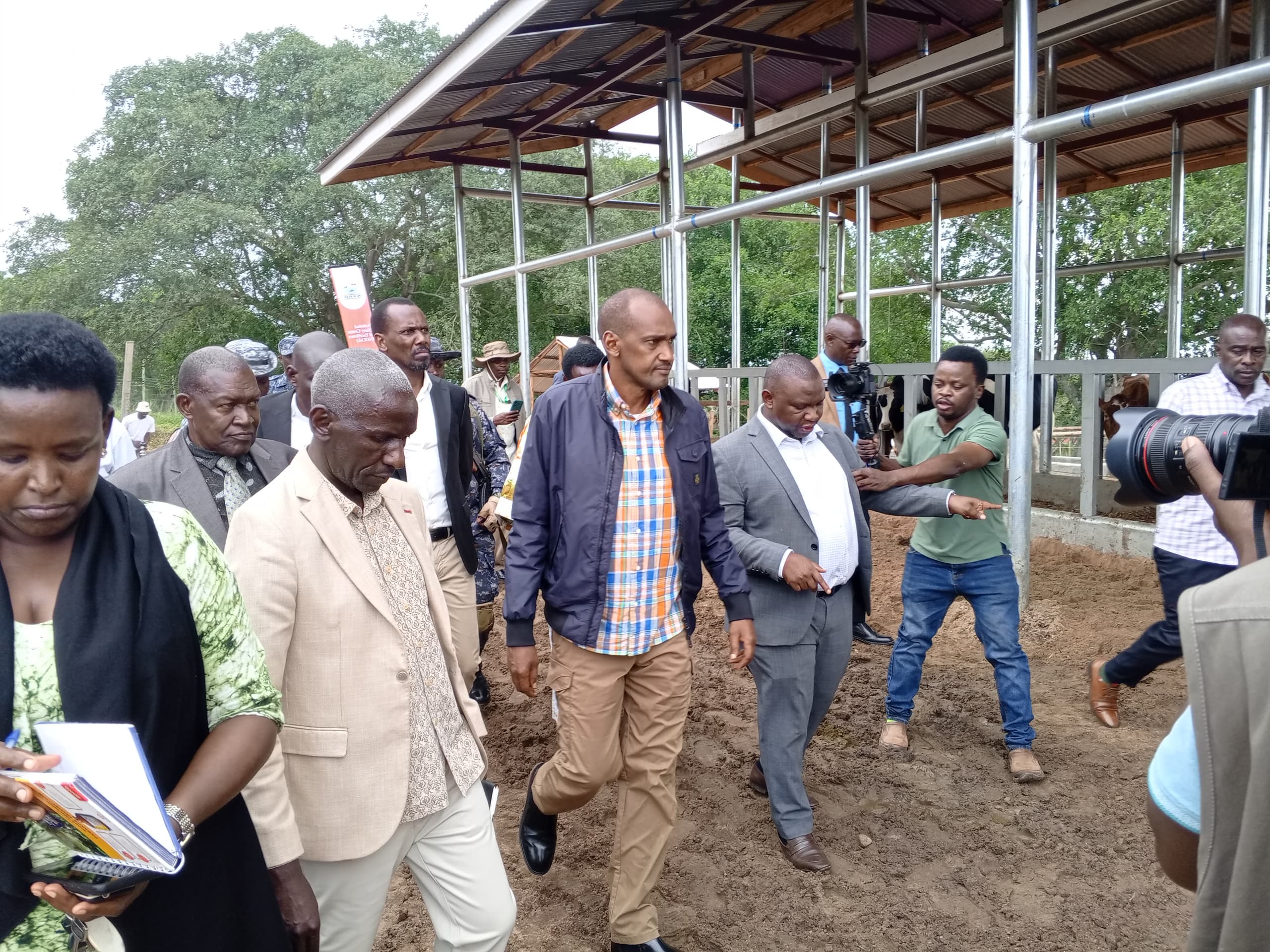
Minister Tumwebaze leads the farm tour
According to NARO Deputy Director General Dr. Yona Baguma, the launch of the centre marks a historic milestone, as MbZARDI approaches its 100th anniversary since its establishment in 1926.
“We should remember that this institute was started way back in 1926. We are about to mark 100 years of excellence,” Dr. Baguma said. “In the early years, the government identified southwestern Uganda as ideal for livestock keeping due to its landscape and the people’s culture, which is deeply rooted in cattle rearing. That decision led to the establishment of this institute, then known as the Mbarara Livestock Farm.”
Dr. Baguma noted that over the past century, the institute has made significant contributions to Uganda’s economic development through livestock improvement.
“Today, 40% of Uganda’s milk comes from the Ankole sub-region. This is not by accident—it is because of the work done here at MbZARDI,” he said. “Farmers have benefited from improved breeds and modern livestock management practices that have transformed livelihoods.”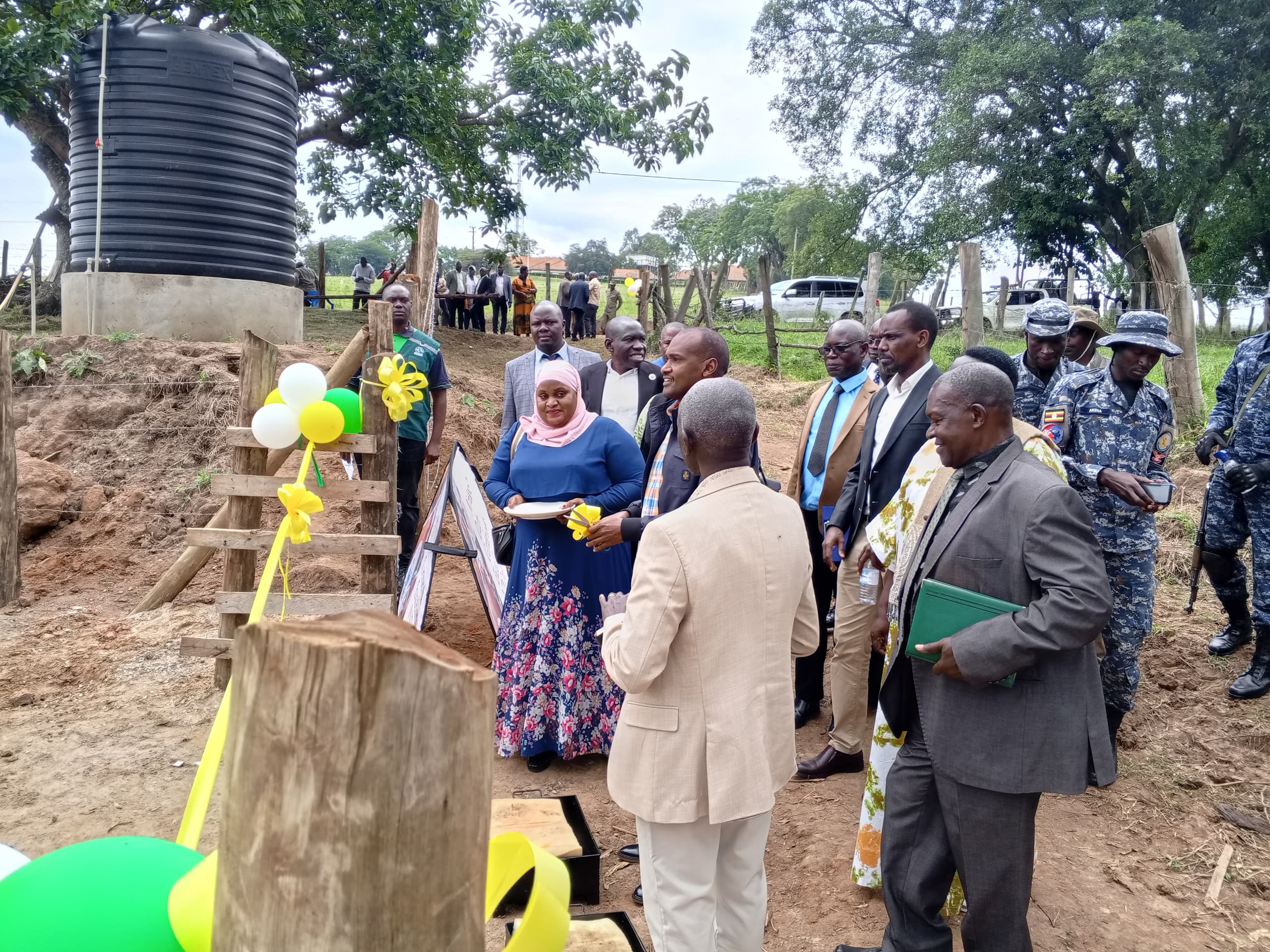
Addressing climate change and low milk yields
Dr. Baguma highlighted that the introduction of new, climate-resilient cattle breeds will help farmers adapt to changing weather conditions in the cattle corridor.
“In the past, ecologies were suitable for livestock, but now we face the realities of climate change,” he said. “Some areas go 3–4 months without rain, yet we must sustain our animals.”
He explained that the centre aims to raise milk yields from the current average of 2–3 litres per cow per day to at least 20–30 litres under semi-intensive systems.
“We plan to reproduce and multiply improved genetic and adaptive breeds to enhance quality dairy production across the country,” Dr. Baguma said.
He added that the National Dairy Centre of Excellence will pioneer a systematic breeding programme to produce well-adapted animals for various environments, ensuring their distribution nationwide.
“The centre will not only focus on breeding but also on developing improved animal feeds and pasture systems suited to local conditions to enhance both milk and beef production,” he said.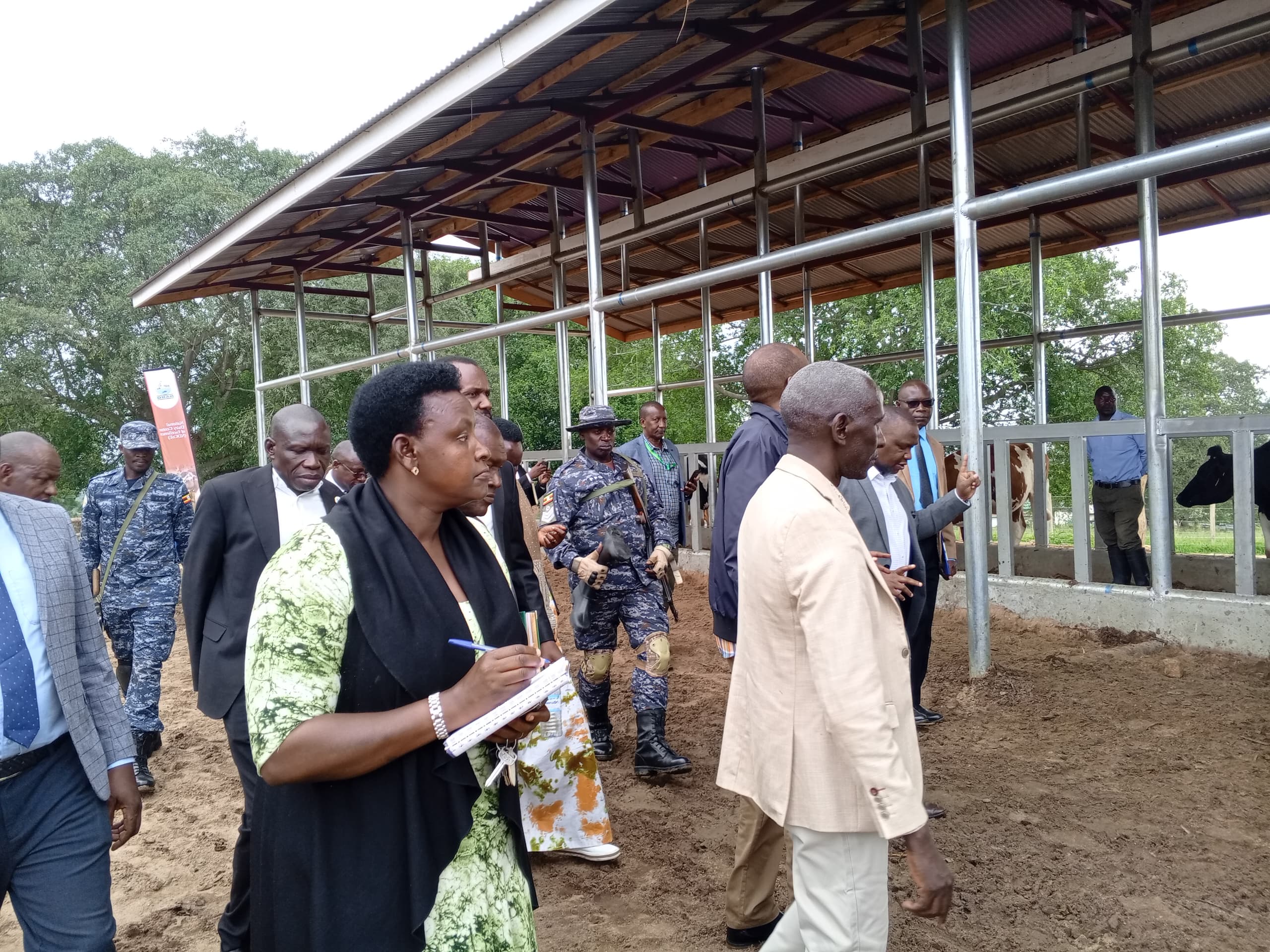
Appeal for funding and training
Dr. Baguma appealed to the government for UGX 50 billion over five years to establish a Training and Skilling Centre of Excellence at MbZARDI.
“This Dairy Centre of Excellence will only make an impact if it trains and skills farmers,” he said. “We are requesting Shs 50 billion—at Shs 10 billion per year—to support training, research, and talent development in partnership with universities and the private sector.”
Farmers’ voices
Catherine Hellen Kamwine, the Mbarara City Resident Commissioner, appealed to the Minister to provide tractors and equipment to help farmers grow and store animal feeds.
“We are happy to have the Dairy Centre of Excellence in Mbarara, but farmers still face challenges in feed making and storage,” she said. “If this centre can have all the necessary equipment for hire at affordable rates, it will greatly boost productivity.”
Minister Tumwebaze Commends NARO and Calls for Partnerships
Hon. Frank Tumwebaze commended NARO for its research innovations, particularly the development of disease-resistant breeds that support food system sustainability.
“You cannot sustain food systems without focusing on animal and plant breeding,” he said. “If crop varieties and livestock breeds are not resilient to disease and harsh weather, we cannot achieve food security.”
He encouraged MbZARDI officials to attract private partners in dairy farming to learn modern technologies and improve productivity.
“Partner with people who sell coolers, milking machines, and other equipment,” he said. “Let them set up near the centre so farmers can access both knowledge and technology in one place.”
Tumwebaze also urged NARO to collaborate with capable private farmers engaged in breeding to expand the reach and impact of improved livestock genetics.
“We need to profile and license private breeders to complement what we’re doing here. The best of both government and private farms should be showcased at this centre,” he said.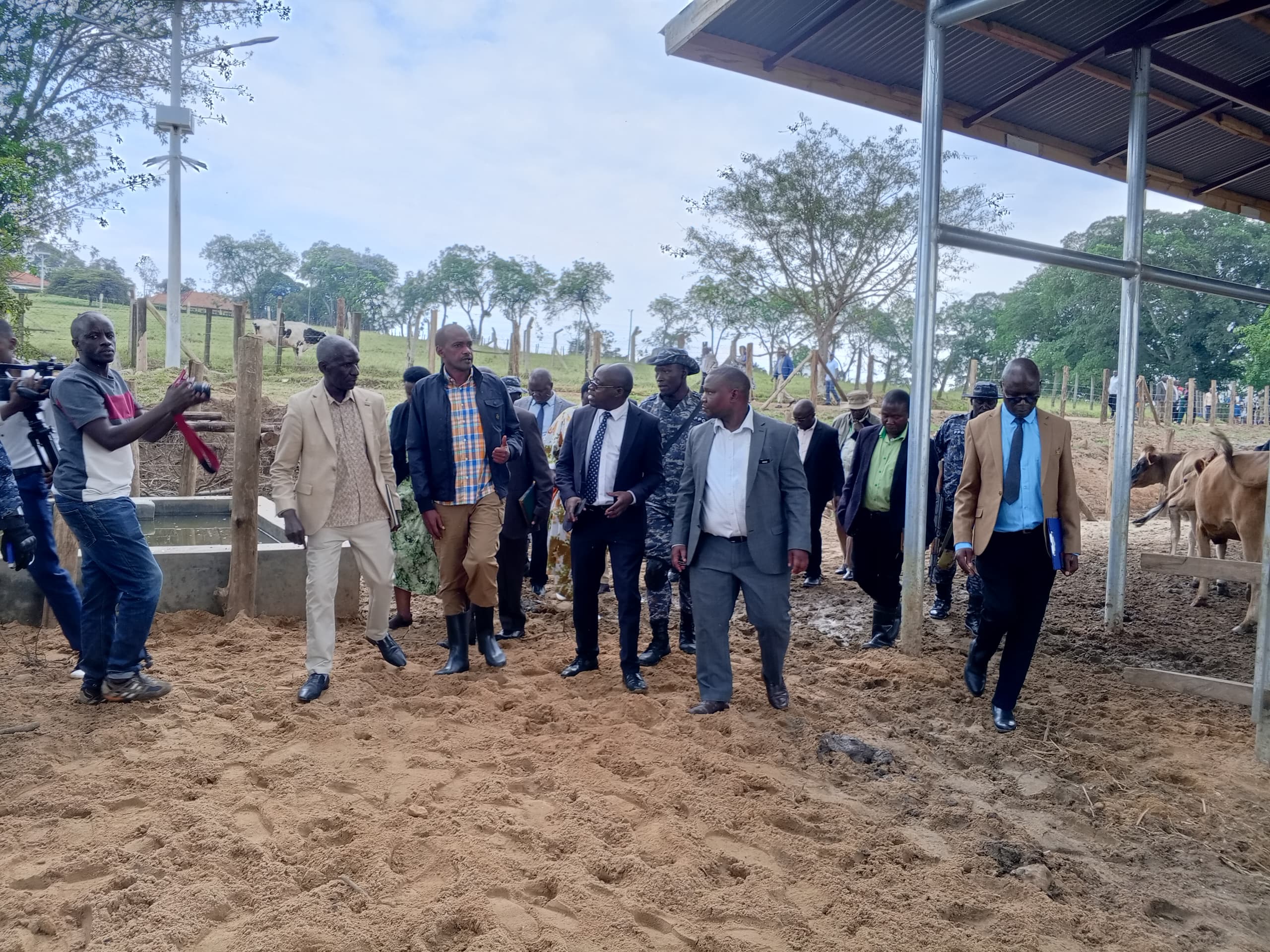
Call for a Breeding Policy and Stronger Regulation
The Minister called for a national breeding policy and a law to protect farmers from fraudsters selling fake animal breeds.
“We must criminalize people who deceive farmers by selling poor-quality animals disguised as high-value breeds,” Tumwebaze said. “MAAIF, NAGRIC, and NARO must work together to ensure a clear breeding policy and regulatory framework.”
He also emphasized the importance of improving animal feeds and pasture systems to complement the breeding initiatives. “Feed security is as important as food security,” he stressed. “MbZARDI should develop mother gardens for pasture species like Pakchong, Napier, Brachiaria, and Rhodes grass to make quality feeds affordable.”
Updates on Anti-Tick Vaccine
Tumwebaze reassured farmers that the anti-tick vaccine developed by NARO is nearing mass production.
“NARO has successfully completed trials and is now installing the factory equipment. In a few months, the Head of State will launch full commercial production,” he said. “This milestone will greatly reduce losses caused by tick-borne diseases.”
“Research Must Be Productive”
The Minister reminded scientists that research must have tangible benefits for farmers and the economy. “Research is only useful if it produces products that can be adopted. It must go beyond academic value—it should sustain animals, improve food systems, and change lives,” he said. He pledged continued government support to enhance MbZARDI’s capacity and increase the number of improved animal breeds.
“We want to have more and better breeds every year. Once we reach a seed herd of about 1,000 animals, we can work with NAGRIC to scale up production and distribute offspring to farmers with proper infrastructure,” he said.
Tumwebaze encouraged the centre to organize annual farmers’ days and auction events for quality bulls and heifers to promote knowledge sharing and breed improvement.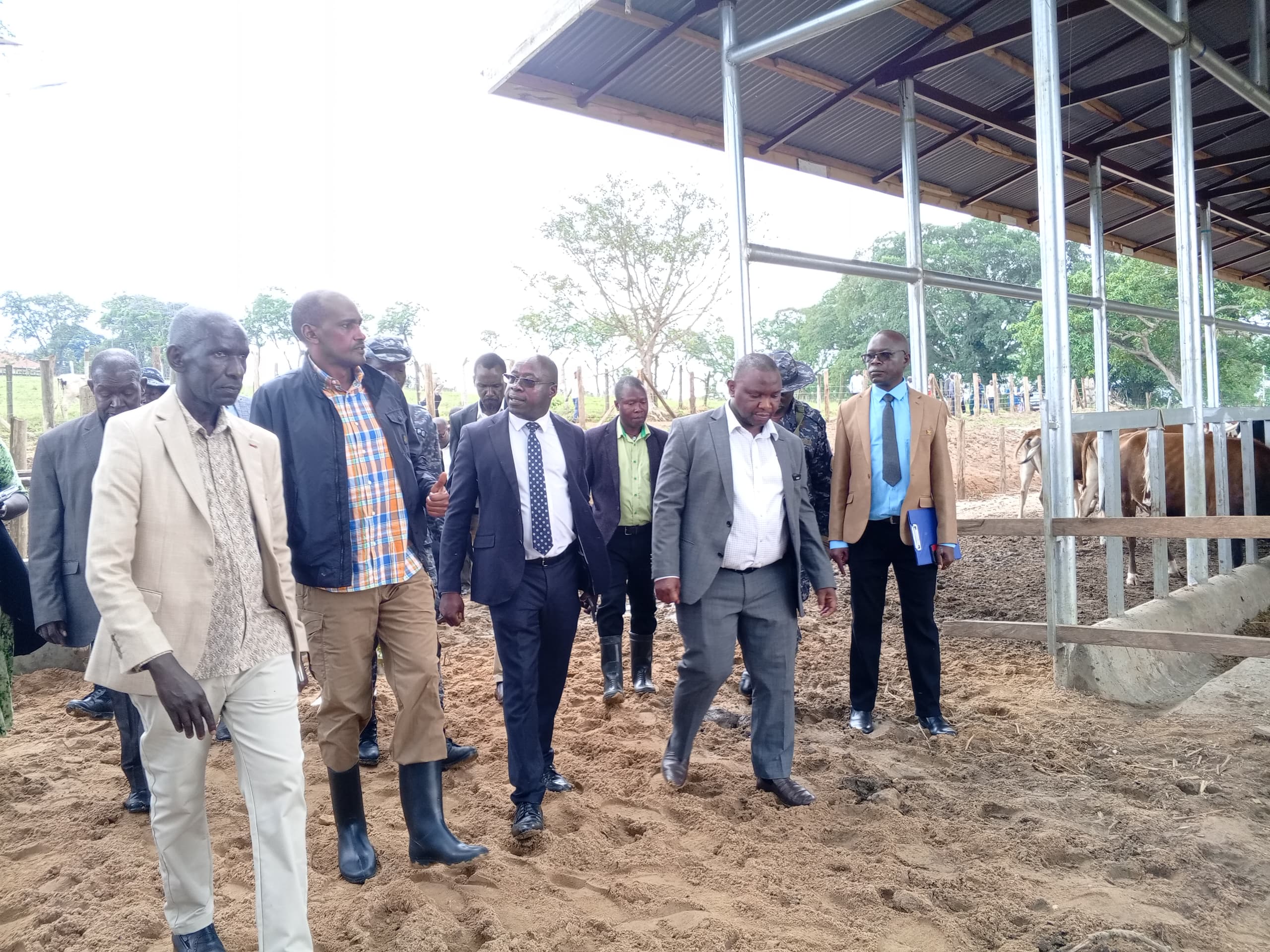
Farmer Responsibility and Benchmarking
The Minister also urged farmers to take good care of the improved breeds they receive from MbZARDI.
“If you’re given a high-grade animal, look after it well. Build proper shelters, ensure good nutrition, and manage your time wisely,” he said. “Farmers must be disciplined and committed to their work.”
He further encouraged study tours to Kenya, where dairy farming is highly developed.
“Kenyan farmers focus on silage, balanced feeding, and cow management. That’s why their cows produce up to 40 litres of milk per day. The same can be achieved here if we combine good breeds with proper management,” Tumwebaze noted.
BackgroundMbZARDI is one of nine Zonal Agricultural Research and Development Institutes under NARO. Each institute serves a unique agricultural zone, with MbZARDI overseeing the southwestern zone, which includes 16 districts and Mbarara City. Of these, Kiruhura, Kazo, Sembabule, Mbarara, Isingiro, and Lyantonde are predominantly dairy-based, forming the heartland of Uganda’s milk production. According to the Uganda Bureau of Statistics, the western region contributes about 40% of Uganda’s total milk output. It is home to major processors such as Pearl Dairy (producers of Lato Milk), GBK Dairy, and Amos Dairy.
This concentration of dairy activity makes MbZARDI the most strategic location for the National Dairy Centre of Excellence, envisioned as a hub for growth, innovation, and partnerships in the dairy industry.
The centre aims to integrate excellence in dairy science, research, training, and technology dissemination, providing a platform for research-driven solutions, farmer capacity building, and sustainable value chain development.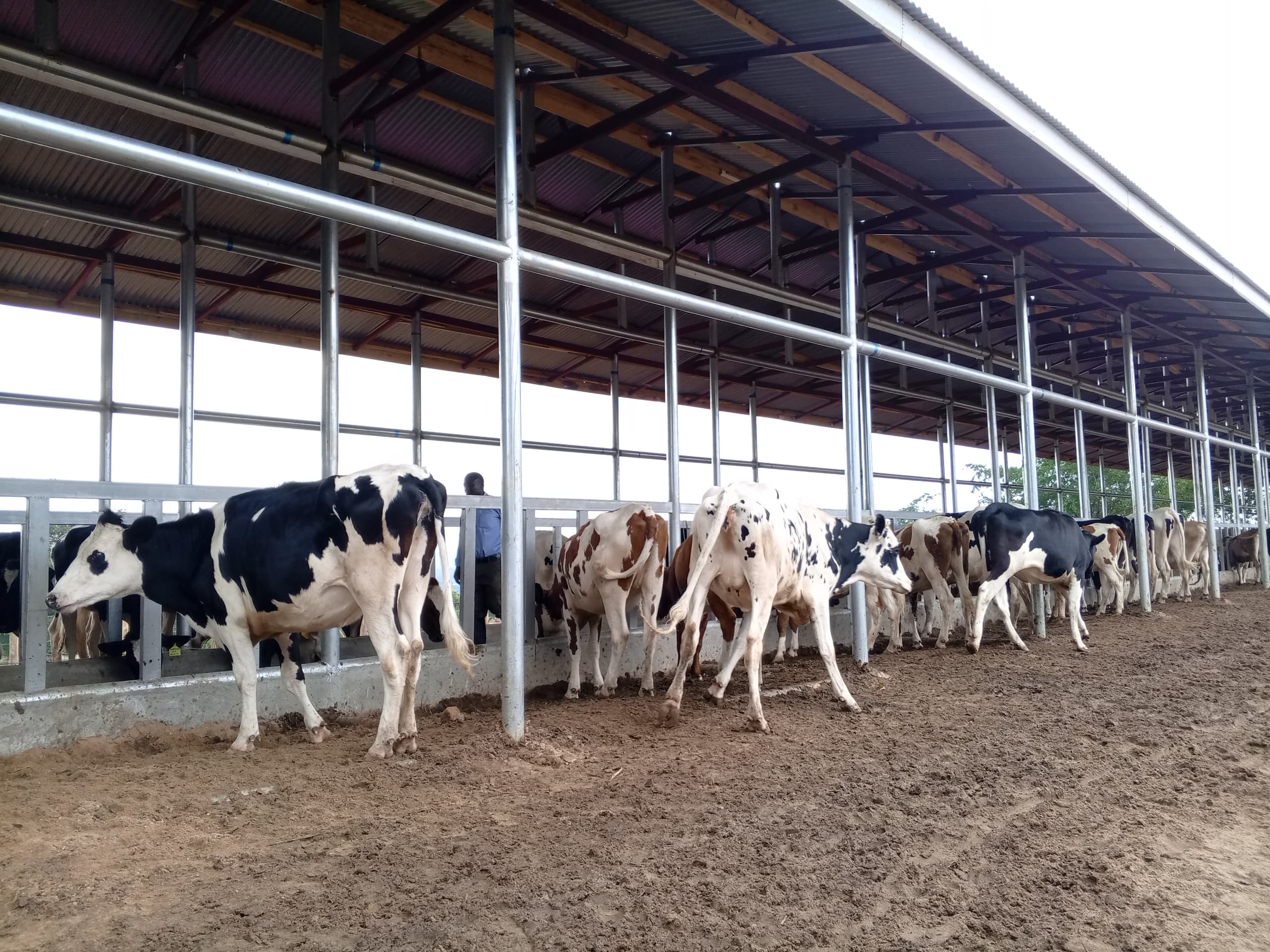
Its major focus areas include:
Research and Innovation: Generating technologies to improve milk yield and quality.
Training and Capacity Building: Equipping farmers and workers with practical dairy management skills.
Technology Transfer: Ensuring improved practices reach end users.
Value Chain Development: Supporting value addition, diversification, and market linkages.
Achieving these goals will require collaboration among government agencies, the private sector, development partners, research institutions, academia, and farmers.
“We therefore call upon all stakeholders to join hands with NARO to realise a vibrant, efficient, and sustainable dairy sector that transforms livelihoods and drives Uganda’s economic growth,” Dr. Baguma concluded.
Torch Media Africa



