Written By | Sports Desk
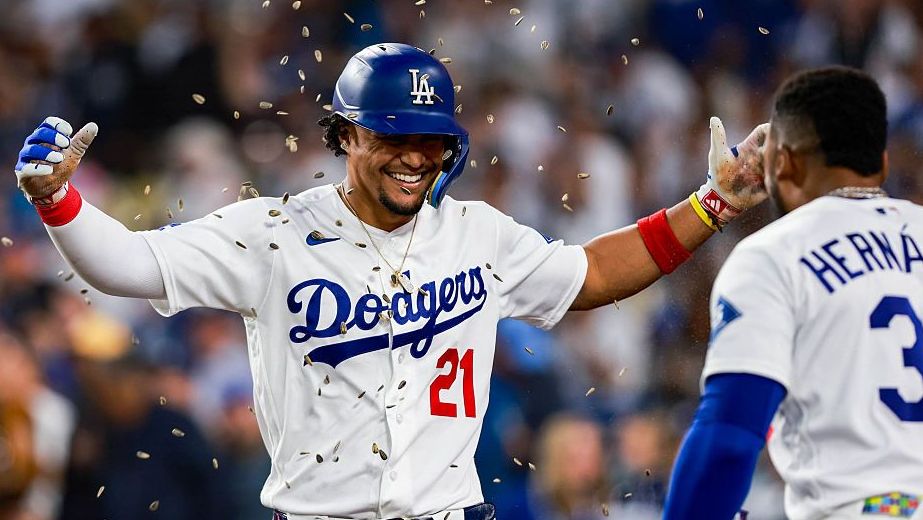
A 5-3 Game 1 win in 103-degree heat at Dodger Stadium delivered the most-watched Division Series opener in eight years.
LOS ANGELES
The defending champions have a way of making October feel inevitable, and this year the audience seems to be leaning in rather than tuning out. When the Los Angeles Dodgers opened their quest for an unprecedented third consecutive World Series title against the Atlanta Braves last Saturday, 5.37 million viewers watched on FOX, according to figures compiled by Sports Media Watch. That made it the most-watched Division Series Game 1 since the Yankees and Red Sox drew 5.57 million on TBS in 2018, and the highest-rated since Guardians-Yankees in 2022.
The number matters beyond bragging rights. Baseball has spent years arguing that its postseason can still command a national crowd in a fragmented media world, and a 2.4 rating on a Saturday, up 20 percent in rating and roughly a third in viewers from last year's Yankees-Blue Jays opener (2.0 rating, 4.0 million), is the kind of evidence the sport likes to wave around.
A scorching night at Chavez Ravine
The game itself did its part. On Saturday, October 3, 50,194 fans packed Dodger Stadium in 103-degree heat, the sort of temperature that feels closer to August than October. Los Angeles won 5-3, and the story was told in a handful of swings.
Braves starter Dylan Dodd was the early surprise, working three scoreless innings on a season-high 47 pitches while striking out four and allowing just two baserunners. "What an experience to be able to get the ball and to start the series," Dodd said afterward. But Atlanta had planned a bullpen game, and the Dodgers waited for the handoff. In the fourth inning, Víctor Mederos walked Freddie Freeman on four pitches, and Teoscar Hernández followed with a two-run homer.
Tarik Skubal, on the mound for Los Angeles, was nearly untouchable: one hit and seven strikeouts through five innings, then back out for the sixth, finishing at 94 pitches. Sean Murphy did cut the lead to 2-1 with a solo homer off him in the sixth, but the Dodgers answered in the bottom half. Kyle Tucker hit a two-run shot off AJ Smith-Shawver, and Max Muncy added a homer to make it 5-1. Ozzie Albies hit a two-run homer off Tanner Scott in the ninth, but the rally stopped there.
"So it was going to be really tough to chase from behind today," Braves manager Walt Weiss said. Mederos was candid about the pitch that hurt: "Just kind of left a cutter down the middle. He cashed in and made me pay for it." Smith-Shawver, for his part, looked ahead: "But I'll be back and hopefully help this team."
Reading the ratings
Context is everything with television numbers, and the Sports Media Watch roundup offers plenty of it. Excluding the All-Star Game, the Dodgers-Braves opener was the fourth-largest MLB audience of the entire season, trailing only three primetime Wild Card games on NBC. The Braves themselves appeared in three of the season's five biggest games, including the Phillies-Braves Wild Card decider on NBC, which drew 6.13 million.
Not every number glittered. Game 2 of the same series, on FS1 on Sunday night, drew 3.33 million viewers and a 1.5 rating, down 12 percent in rating and 6 percent in viewers from last year's Tigers-Mariners comparison. Padres-Brewers on FS1 drew 2.50 million and 2.14 million for its first two games. In the American League, Yankees-Rays Game 2 on TBS and truTV pulled 4.3 million, the best ALDS Game 2 audience since 2018.
The pattern is plain enough: audiences follow the stars and the stakes, and they follow them best when the game sits on a broadcast network on a Saturday.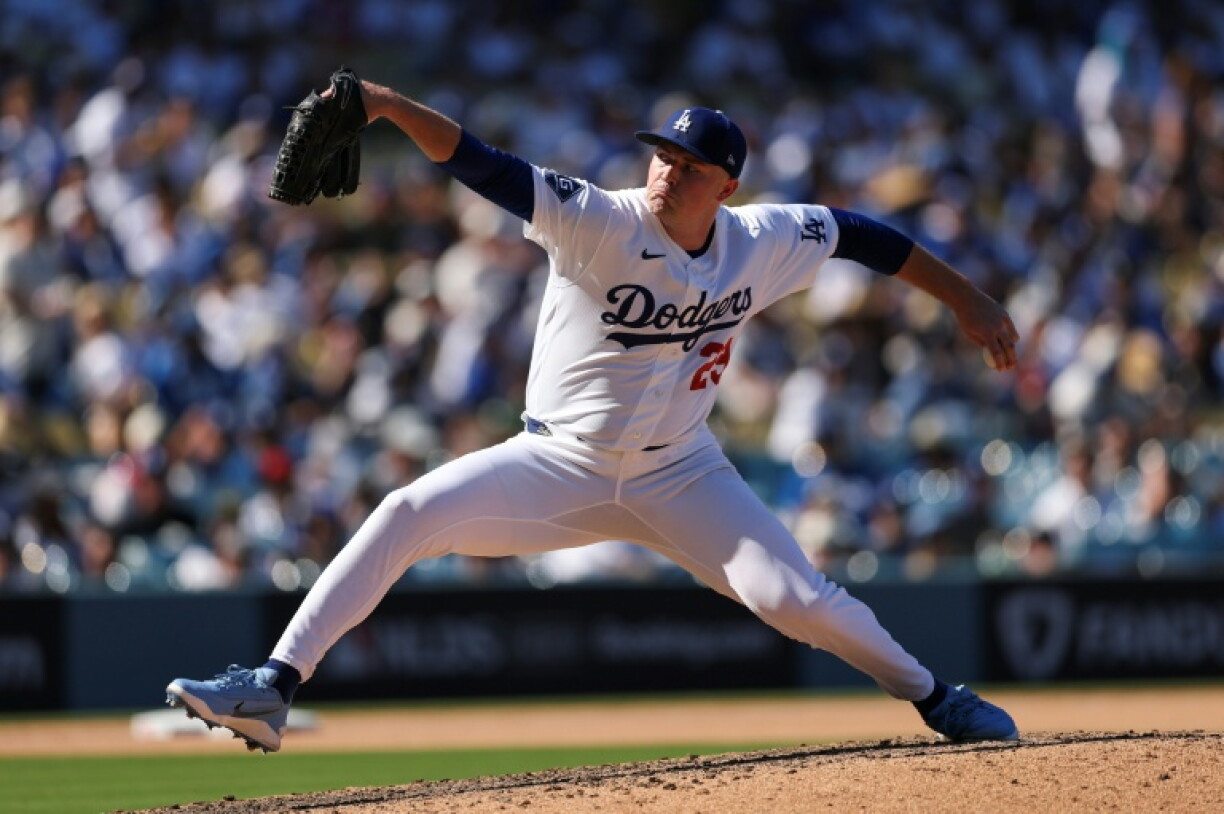
A caution about comparing eras
Sports Media Watch is careful to flag the limits of year-over-year comparison, and readers should be too. Nielsen did not include out-of-home viewing until 2020 and did not fully account for it until 2025. This is only the second year of the company's newer methodology, which blends "Big Data" from smart TVs and set-top boxes with its traditional panel, and Nielsen has recently adjusted how it counts co-viewing. In other words, a 2026 audience and a 2018 audience are not measured the same way.
Nearly half of the Wild Card Series aired on Peacock and NBCSN, so figures are not available for White Sox-Astros or Padres-Cubs. A full accounting of baseball's October reach is harder than the headlines suggest.
The three-peat question
No team has won three straight World Series since the Yankees of 1998 through 2000, a point that goes a long way toward explaining the buzz around Los Angeles. The Dodgers are chasing that history, and a strong first game is no guarantee of anything in a best-of-five series. We did not verify results beyond Game 2's ratings, so check the current series standing before planning your week.
What the opener did show is a team whose depth looks sharp at the right moments. Skubal's start gave them length and strikeouts; the lineup punished a bullpen plan the moment it came to the middle innings. Atlanta, meanwhile, showed fight with Albies' ninth-inning homer.
What this means for you
If you are a casual fan, this is a good October to dip in. Division Series games are short on commitment and long on drama, and the broadcast-network windows, such as FOX on Saturdays, are the easiest way to watch without hunting for a streaming login.
If you follow the business of sports, the lesson is about reach. Broadcast still beats cable and streaming for sheer audience size, and the sport's best numbers keep coming from marquee teams on the biggest platforms.
And if you simply love the game, watch Skubal. A five-inning, one-hit, seven-strikeout line in a heat-soaked playoff opener is the sort of thing you will want to tell people you saw live.
The bottom line
The Dodgers began their threepeat bid with a win and a crowd. Whether the run ends in a parade or a stumble, the audience has already made its choice: this is the team the country wants to watch.