PARIS
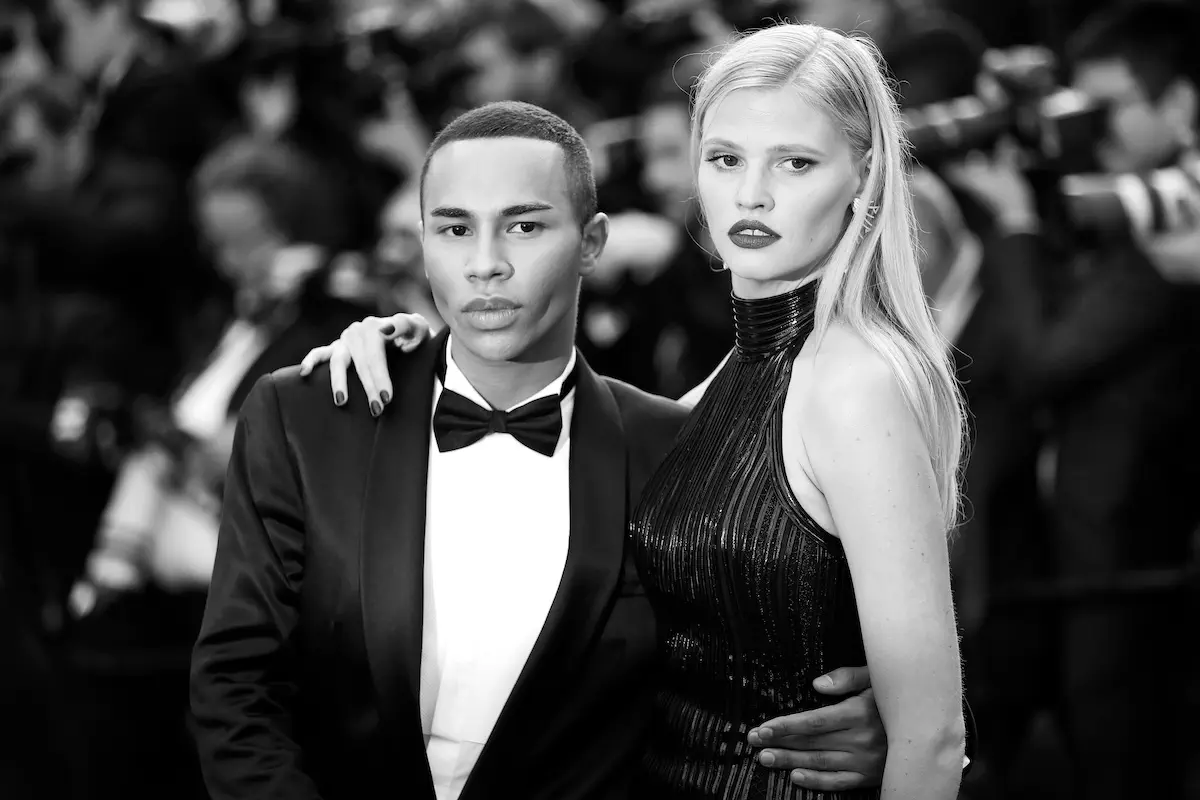
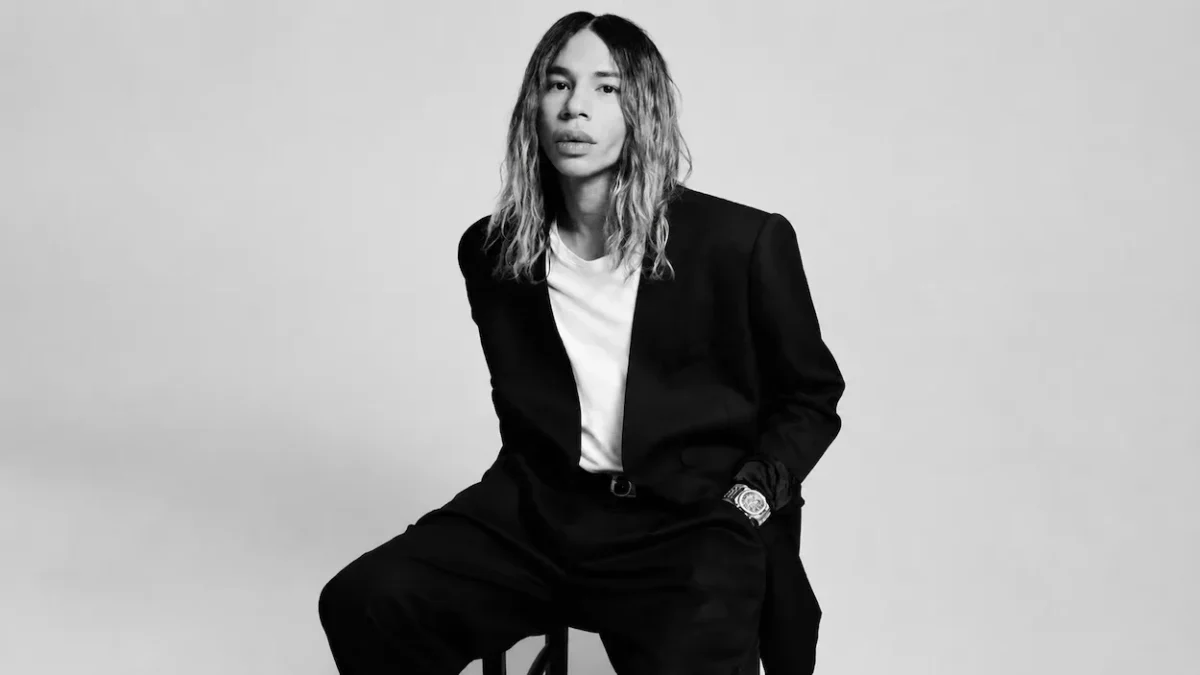
For sixteen years, Olivier Rousteing's name was inseparable from Balmain's. He arrived at the storied French house at just 24 years old — astonishingly young for a creative director role of that stature — and spent fourteen of those years steering it, turning a respected but sleepy heritage label into one of the loudest, most Instagrammed brands in fashion. This month, that chapter officially closed. And in a move insiders are calling almost poetically fitting, Rousteing has landed at Rabanne, the Puig-owned house famous for the very material — metal — that has defined much of his own design language for over a decade.
A mutual, emotional goodbye
The Balmain exit, confirmed in a joint statement, was described by both sides as a mutual decision. Rousteing's own farewell message leaned into the emotional weight of the moment rather than corporate distance. "I arrived at 24 with my eyes wide open and the determination to persevere, always," he wrote. "Today, I leave the House of Balmain with my eyes still wide open — open to the future and to the beautiful adventures ahead."
Balmain's chairman, Mayhoola CEO Rachid Mohamed Rachid, returned the sentiment in kind, crediting Rousteing with reshaping the house's identity far beyond its runway collections. "Olivier's visionary leadership has not only redefined the boundaries of fashion but also inspired a generation with bold creativity, unwavering authenticity, and commitment to inclusivity," Rachid said. "We are immensely proud of all that has been achieved under his direction."
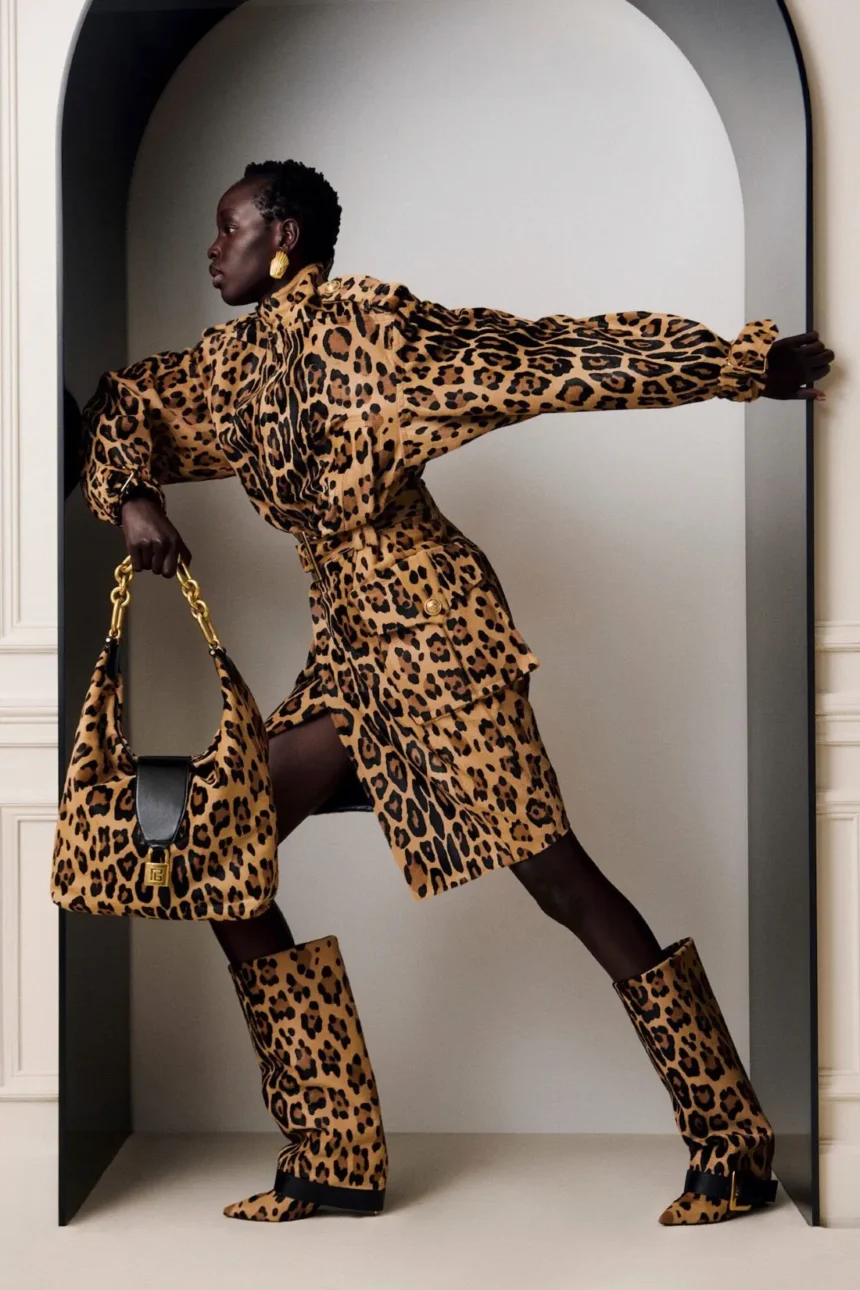
That's not corporate flattery so much as an accurate scoreboard. Rousteing didn't just design clothes at Balmain — he built an entire ecosystem around the brand, turning the "Balmain Army" of models and celebrity devotees into one of the earliest and most successful examples of a designer using social media as a runway extension in its own right. He became, arguably, one of the first true influencer-era creative directors, years before that was a job requirement anywhere else in luxury fashion.
Why Rabanne makes sense
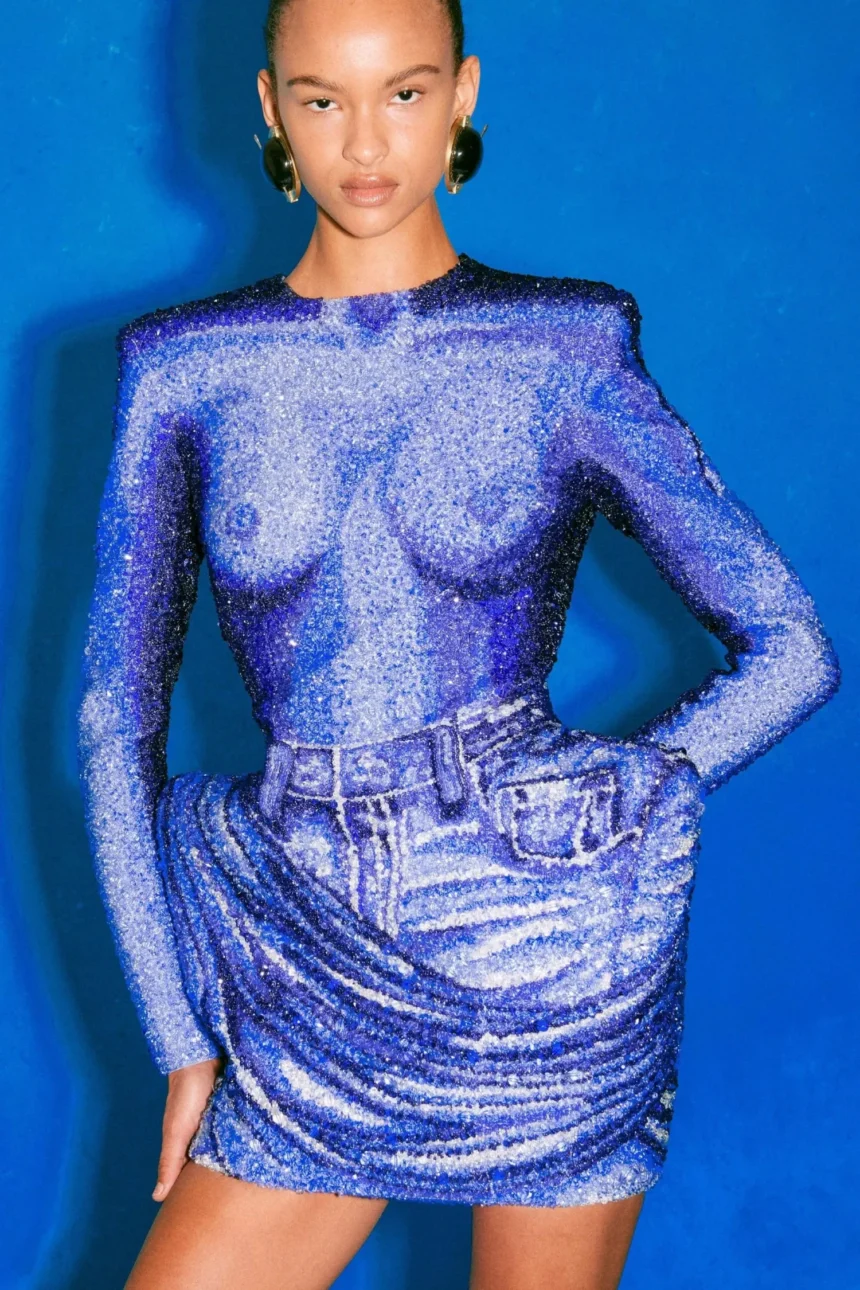
Rousteing's new home has its own mythology to draw on. Rabanne — founded by the late Spanish-French designer Paco Rabanne — built its reputation in the 1960s on radical material experimentation, most famously chainmail-style metal dresses that felt more like armor or sculpture than clothing. It's a legacy that maps almost eerily well onto Rousteing's own aesthetic fingerprint: body-conscious silhouettes, hardware-heavy embellishment, and a taste for materials that catch light and demand attention.
Announcing the move on Instagram, Rousteing framed the appointment in exactly those terms. "Joining Rabanne is a tremendous honour," he wrote. "This is a house that has always challenged convention, transforming bold ideas into creations that have shaped fashion history." Fashion trade outlets have already picked up on the phrase circulating around the appointment — that Rousteing is bringing his "metal dreams" home, a nod to just how naturally his signature material obsession slots into Rabanne's DNA.
Puig's leadership was equally direct about why they chose him. Ana Trias, president of prestige and fashion brands at Puig, called Rousteing's creative vision "bold, magnetic and deeply connected to the energy of today," adding: "His unique ability to create fashion that celebrates confidence and self-expression makes him a natural choice for Rabanne. With Olivier, we are opening a new chapter for the House."
The bigger picture: a house in transition
Rousteing will take the reins across ready-to-wear, accessories, and beauty — a full-house mandate that gives him considerably more control than some recent creative-director appointments elsewhere in the industry, where roles are increasingly split or narrowed. His first collection under the Rabanne name is set to debut in March 2027, giving him roughly eight months to reset the house's design language before it faces public judgment on the runway.
That timeline places him in the middle of an unusually active season of musical chairs at the top of French fashion. Chanel recently made headlines with its acquisition of heritage shirtmaker Charvet under artistic director Matthieu Blazy, and Kate Spade named Jonathan Saunders its first single creative leader in nearly five years — part of a broader wave of houses recalibrating their creative leadership as the industry grapples with slowing luxury spending and a hunger for fresh storytelling to reignite consumer interest.
For Rabanne specifically, the stakes are real. Under Puig's ownership, the house has spent recent years searching for a clearer identity in an increasingly crowded field of accessible-luxury and going toward more directional brands. Rousteing's track record of building cultural momentum — not just critical acclaim, but genuine mass-market buzz — is precisely the skill set Puig appears to be betting on.
What this means for shoppers and fashion watchers
For consumers, don't expect immediate change — Rousteing's debut collection is still eight months out, meaning current Rabanne stock and near-term releases will reflect the house's prior direction. But the appointment is worth watching as a bellwether for where mid-tier luxury houses think their growth will come from next: not quiet reinvention, but maximalist, personality-driven design paired with a creative director who already knows how to turn a runway show into a viral moment.
For the broader industry, Rousteing's move also raises an open question that will linger until March: can the same instincts that made Balmain a social-media juggernaut translate to a house with a completely different, more avant-garde heritage? Rabanne's metal-dress legacy is bold, but it's also niche and art-forward in a way Balmain's power-dressing glamour never quite was.
If early industry chatter is any indication, though, fashion insiders are treating this less as a gamble and more as a homecoming — a designer whose entire career has orbited hardware, shine, and armor-like construction finally landing at the one house built to let him go further with all three.
Published By | Features Editor