Written By |
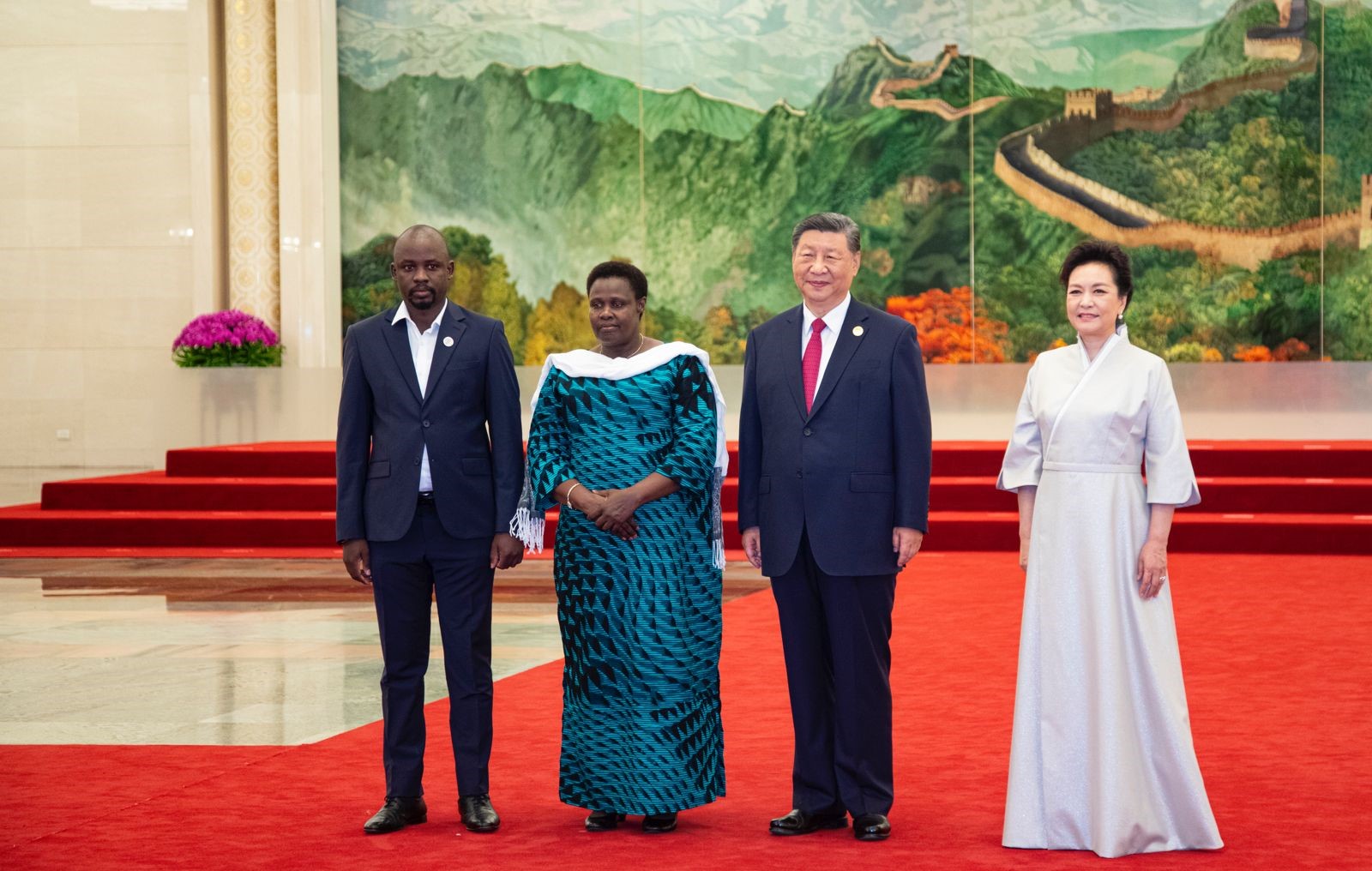
Uganda's Vice President meets with China's President Xi at the FOCAC summit, 2024
By Bosco Bakwatanisa Muto
The relationship between Africa and China has sparked a considerable debate in political, economic, and scholarly circles. While China's increasing involvement in Africa is viewed by some as a pathway to much-needed infrastructure development and economic growth, others criticize it as a new form of colonialism that could trap African nations in unsustainable debt. In this article, I explore the Africa-China relations from multiple perspectives, including the historical context, the economic benefits, potential downsides, and the long-term implications these could have on the African continent.
Historical context of Africa-China relations
The Africa-China relations have their roots in the mid-20th century when both Africa and China sought to establish new global alliances after gaining independence from colonial rule. Early engagements were marked by China’s support for African liberation movements during the Cold War. However, it has been only in the 21st century that China's economic and political engagement with Africa has intensified attracting attention from political analysts, scholars, the west and other global players. This period saw the rise of China's "Go Global" strategy, aimed at securing raw materials and energy sources to sustain her rapid industrial growth.
One of the most significant developments in the Africa-China relations was the establishment of the Forum on China-Africa Cooperation (FOCAC) in 2000. This platform has solidified China’s diplomatic and economic presence in Africa and formalized commitments to trade, infrastructure development, and investment in various sectors, which saw China’s trade with Africa soar from about $11.67 billion in 2000 to about $258 billion in 2022, making it Africa’s largest trading partner.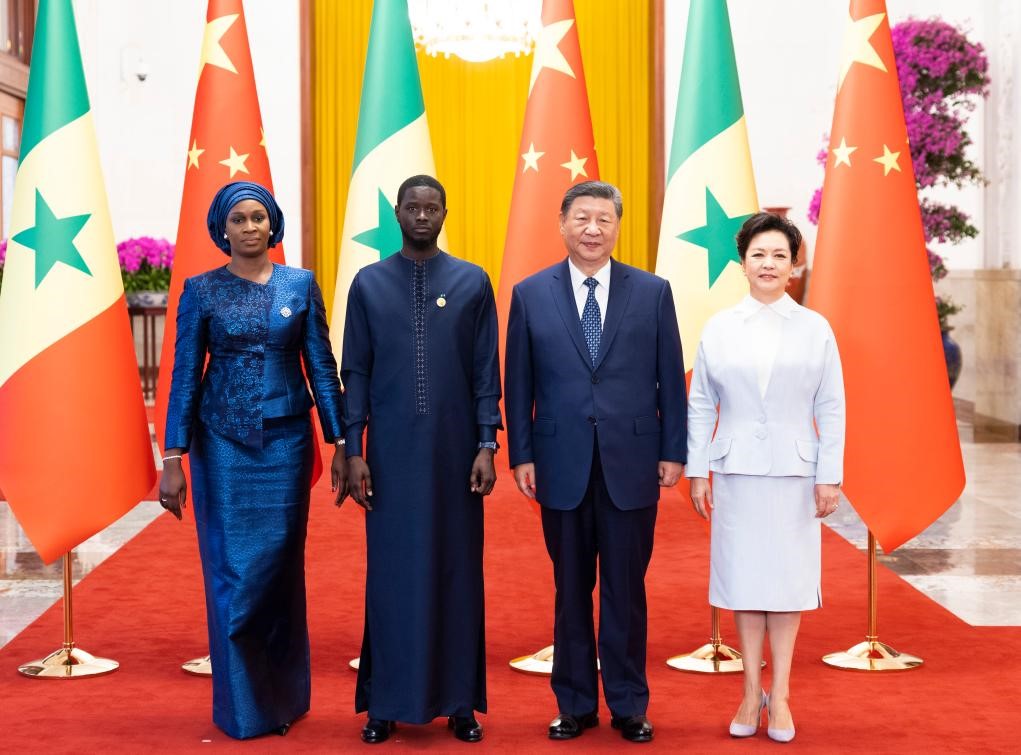
Senegal President Bassirou Diomaye Faye, with Chinese President Xi Jinping at FOCAC summit on September 3, 2024
Economic Benefits: Infrastructure development and trade
A significant benefit of the Africa-China relations has been China's heavy investment in Africa’s infrastructure. Chinese companies have financed and constructed numerous critical infrastructure projects, such as railways, airports, roads, and ports. For example, the Addis Ababa-Djibouti Railway and Kenya’s Standard Gauge Railway (SGR) are emblematic of China's infrastructure projects on the continent. These projects aim to enhance connectivity, facilitate trade, and promote regional integration .
Additionally, China’s investment in Africa's natural resources sector has also spurred economic growth. African countries rich in minerals, oil, and agricultural resources have become vital trading partners for China. Countries like Angola, Nigeria, Uganda, Kenya, Ethiopia, and Zambia have capitalized on their natural resource wealth by attracting Chinese investments. China imports substantial quantities of oil, minerals, and agricultural products from Africa, which in return helps African nations generate revenue and create jobs .
Furthermore, African nations have benefited from China’s provision of soft loans with relatively low-interest rates, which has enabled many governments to finance development projects without relying on Western aid agencies. These loans are often paired with China's "no-strings-attached" policy, a stance that contrasts with Western institutions like the International Monetary Fund (IMF) and the World Bank, which often impose political or economic conditions on their loans.
Criticism: A boon or debt trap for Africa?
Despite these positive developments, critics argue that Africa’s increasing reliance on Chinese loans is creating a debt trap. China has become the largest bilateral creditor to several African countries, and as of 2021, the continent owed more than $145 billion to China . Scholars like Deborah Brautigam and Indermit Gill point to the risks associated with this debt accumulation, warning that African nations may be forced to cede strategic assets if they default on their loans. One widely cited example is Sri Lanka, which handed over control of its Hambantota Port to China on a 99-year lease after struggling to repay Chinese loans .
In the African context, some scholars worry that heavily indebted countries like Zambia and Angola may follow a similar path. Zambia, for instance, was forced to restructure its external debt after it defaulted on its Eurobond in 2020. China's significant role as a creditor in Zambia's debt portfolio raised concerns about the terms of debt restructuring and whether Zambia might lose sovereignty over some of its key assets .
Scholars such as Prof. Deborah Brautigam, a professor of political economy at Johns Hopkins and a Director of China-Africa Research Initiative, however, challenges the debt-trap narrative, arguing that most Chinese loans to Africa are concessional, with lower interest rates and longer repayment terms than private market loans. She further asserts that the issue of debt distress in Africa is more complex, with a combination of factors including mismanagement of funds, corruption, and falling commodity prices contributing to debt challenges .
Long-term implications for Africa
The long-term impact of Africa-China relations remains uncertain and a subject of intense debate. On one hand, China’s investments could drive Africa's industrialization and economic diversification, particularly if African countries strategically manage their resources and debts. China's focus on building infrastructure, such as industrial parks and special economic zones (SEZs), could spur economic growth, encourage investment, and create employment opportunities in African countries. Furthermore, China’s model of development, which emphasizes infrastructure-driven growth, may inspire African leaders to pursue similar strategies, tailored to local contexts .
On the other hand, there are concerns about whether these investments will yield sustainable benefits for African economies. Scholars like William Easterly, a development economics professor and New York University and Dambisa Moyo, a Zambian economist both warned that dependence on external loans, especially from a single lender like China, could perpetuate a cycle of debt and underdevelopment. They argue that African governments need to invest more in education, healthcare, and local industries rather than relying on external financing for large infrastructure projects .
How African countries can avoid the debt trap
To avoid the pitfalls of over-reliance on Chinese loans, African governments must prioritize long-term strategies that promote economic diversification, good governance, and accountability. According to African Development Bank (AfDB) experts, African countries should focus on expanding sectors such as technology, renewable energy, and value-added manufacturing to reduce dependence on raw materials exports. In the same line of thought Daneil Large, a scholar on China-Africa relations suggests that African leaders should prioritize deals that promote local content, transfer of technology and skills development to ensure long-term benefits.
Additionally, transparency in negotiating loan terms and enhancing the capacity of civil society organizations to monitor government spending are essential to ensure that the loans are used for projects that genuinely benefit the public. Moreover, some scholars recommend that African governments diversify their financial partnerships to avoid over-reliance on a single lender citing that engaging with multiple international partners such as the European Union, the United States, and multilateral institutions could help African countries negotiate better terms and avoid being tied to specific geopolitical agendas.
Renowned Economist Dambisa Moyo, in her work Dead Aid, further, argue that African countries must implement strong fiscal policies and transparent debt management practices that encourage diversification of the funding sources and avoidance of over-reliance on a single lender. As Kwame Nkrumah once famously advocated, Africa’s future lies in its ability to diversify its economy and reduce dependency on foreign aid. China’s investments should therefore be channeled towards sectors that foster self-reliance, such as manufacturing and agriculture, rather than extractive industries that majorly fuel economic dependency.
Although the Africa-China relations have brought tremendous opportunities such as increased infrastructure development and trade on both sides, concerns about debt sustainability and the potential loss of sovereignty must be taken seriously. By adopting prudent financial strategies, promoting economic diversification, and engaging civil society in governance, African countries can maximize the benefits of their relationship with China while mitigating the risks. Ultimately, the future of Africa-China relations will depend on how African leaders navigate these complex dynamics to secure a prosperous and sustainable future for their citizens.
The writer is, a Doctoral student scholar and a pan-Africanist