Written By |
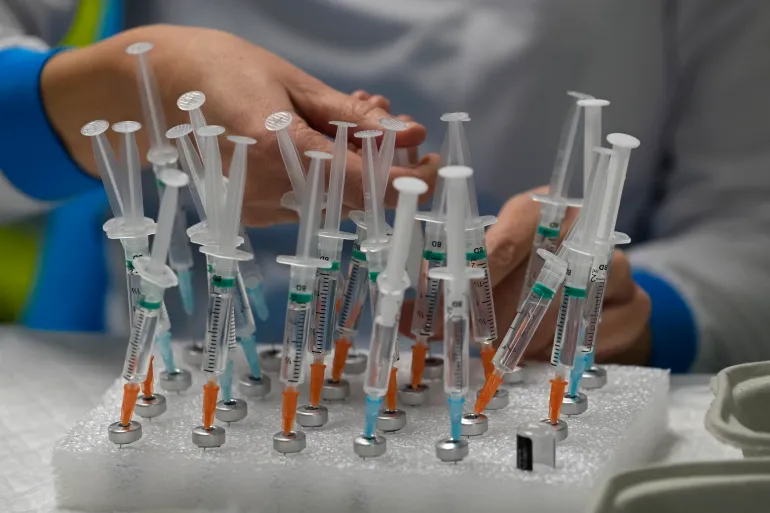
A nurse prepares vaccines. (AP photo)
African countries produce less than 2 percent of the vaccines they need, experts say. After months of logistical delays, the first mpox vaccines have finally arrived in the Democratic Republic of the Congo (DRC), donated by Western nations. The DRC, currently the epicenter of a new mpox outbreak, prompted the World Health Organization (WHO) to issue its highest alert level last month. In 2024, over 20,000 mpox cases have been reported, with more than 500 deaths. The virus has spread to 13 African countries and several European and Asian nations.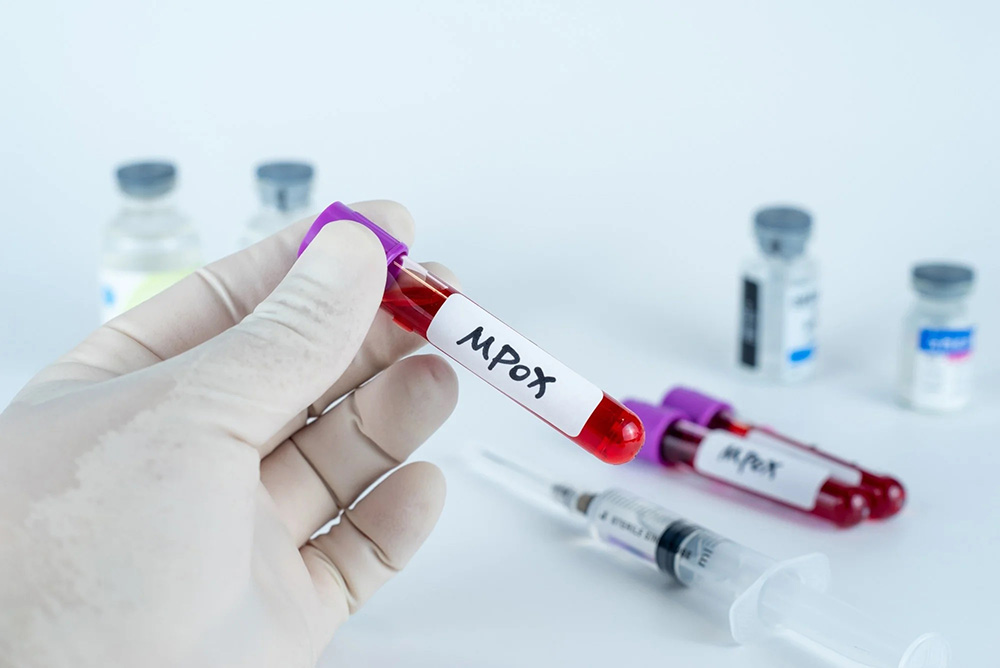
Japan and Denmark are the only countries with mpox vaccine manufacturers. (Courtesy photo)
However, African nations, including the DRC, do not produce the vaccines needed to curb the spread of mpox. Instead, they rely on promises of vaccine donations from abroad.
Japan and Denmark are the only countries with mpox vaccine manufacturers. In August, promised donations from Japan to the DRC were delayed due to administrative issues. Last week, the European Union donated 99,000 doses, followed by a delivery of 50,000 doses from the U.S., via USAID, this week. The vaccines, produced by Danish pharmaceutical company Bavarian Nordic, will be distributed in the hardest-hit regions of South Kivu and Equateur.
The DRC’s struggle reflects a broader issue that many African countries faced during the COVID-19 pandemic. Rich nations, such as the U.S., invested in vaccine development and manufacturing but purchased the majority of available stocks, leaving African countries dependent on delayed donations.
During the COVID-19 pandemic, Amir Khan, a doctor and author, criticized “vaccine nationalism,” where wealthier governments prioritized their populations through advance agreements with pharmaceutical companies, leaving less developed nations waiting for supplies. Khan argued this was "incredibly shortsighted" as viruses know no borders and require a global response.
Africa lacks the infrastructure to quickly repurpose facilities for large-scale vaccine production. (Courtesy photo)
Why is Africa's vaccine production limited?
Africa produces less than 2% of the vaccines used on the continent, according to the WHO. By 2021, fewer than 10 vaccine manufacturers were operating in Africa, located in Senegal, Egypt, Morocco, South Africa, and Tunisia. These manufacturers have limited capacity, producing less than 100 million doses. William Ampofo, CEO of the African Vaccine Manufacturing Initiative, noted that this restricts vaccine availability during health emergencies. Africa lacks the infrastructure to quickly repurpose facilities for large-scale vaccine production through partnerships.
South Africa:
Afrigen: Produces COVID-19 vaccines and leads the WHO mRNA Technology Transfer Programme to train scientists in vaccine production.
Biovac: Develops vaccines and has licensing agreements with Sanofi and Pfizer.
AspenPharma: Produces COVID-19 vaccines.
Senegal:
Institut Pasteur Dakar (IPD): Manufactures Yellow Fever vaccines.
Morocco:
Marbio (Sensyo): Partnered with Swedish firm Recipharm to produce COVID vaccines, although production has not yet begun.
Egypt:
VACSERA: Produces COVID-19, Hepatitis B, Tetanus, and cholera vaccines.
Tunisia:
Institut Pasteur Tunis: Produces COVID-19 and flu vaccines.
Challenges in Vaccine Production
Africa's vaccine production is hampered by financial and technical barriers. According to Mogha Kamal-Yanni of the People’s Medicine Alliance (PMA), there must be financial investment and a commitment to local production to scale up capabilities.
During the pandemic, South African vaccine maker AspenPharma voiced concerns about market readiness, stating that a consistent commitment to high-volume orders is needed for sustainable production.
In addition to financial concerns, African manufacturers face technical challenges, including procuring equipment, building facilities, and hiring specialized staff. Technology transfer agreements between African and wealthier nations are designed to support knowledge sharing, but companies do not always comply. In 2022, BioNTech attempted to sideline the WHO-backed Afrigen in favor of building its own factory in South Africa, according to The BMJ.
Meeting global quality standards is another obstacle, as many African countries do not have regulatory systems that comply with international standards. Patent laws, which require permission to produce vaccines, also hinder African manufacturers during emergencies. It took two years to waive patent restrictions on COVID-19 vaccines for developing nations during the pandemic.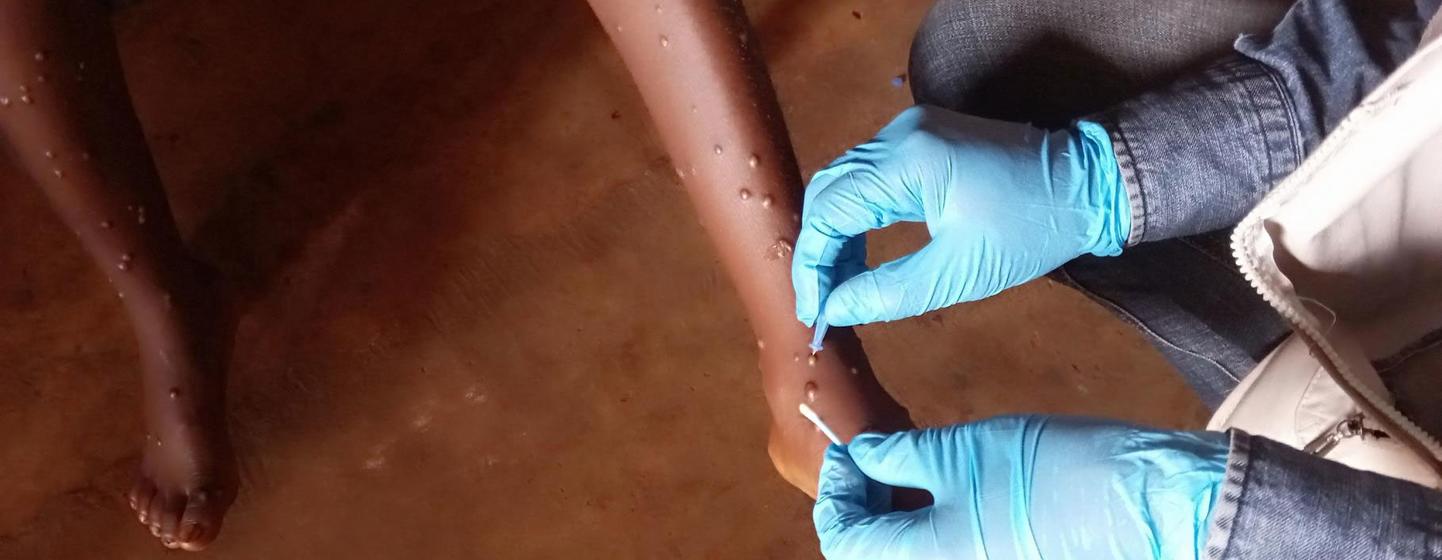
Medical personnel helping mpox patient on its blisters (Courtesy photo)
How African countries acquire vaccines
African countries primarily rely on global organizations like the WHO, UNICEF, and GAVI (a partnership between governments and private stakeholders) to acquire vaccines during health crises.
During the COVID-19 pandemic, vaccines were provided to many African nations through the COVAX initiative, which ensured that poorer countries received doses funded by richer nations. However, COVAX faced issues, including delays, with some countries like Libya needing to pay twice to secure vaccines.
Experts have long criticized the inequities in the global vaccine market, which often leave African nations at a disadvantage. These disparities were exacerbated during the pandemic.
What is being done to address the problem?
The African Union (AU) has set a target to produce 60 percent of the continent’s vaccines by 2040, but achieving this goal remains uncertain due to limited production capacity.
Countries like Kenya have made efforts to increase vaccine production, signing a partnership with Moderna to build an mRNA vaccine facility. However, Moderna paused the project in 2024 due to waning demand for COVID-19 vaccines.
Experts suggest African manufacturers focus on expanding "fill-finish" operations—filling and packaging vaccines produced elsewhere—while slowly building capacity for full-scale production. Currently, there are around 80 such companies across the continent.
In the short term, investing in local research and development, as well as building quality facilities, is critical. Although this won’t solve the problem immediately, it can pave the way for future vaccine self-sufficiency.
Source: Aljazeera



