Written By |
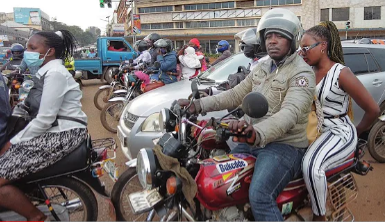
Women being ferried on boda bodas on Mbaguta street in Mbarara Town
By Hannington Katehangwa
In Mbarara City, boda bodas have become more than just a means of transportation. They are transforming into unexpected agents of change, playing a significant role in promoting sexual reproductive health (SRH) in the community. For many people in Mbarara, especially young women, accessing sexual reproductive health services has long been a challenge. Factors like long distances to clinics, high transport costs, and the stigma around discussing reproductive health issues often prevent individuals from seeking the help they need. Boda boda riders, who are deeply embedded in local communities, have begun to break down these barriers.
In collaboration with local health organizations and NGOs, many boda boda riders have been trained to distribute information on SRH services, such as delivering SRH medical equipment to local homes, family planning, HIV prevention, antenatal care, and safe sex practices. Riders like Andrew Kyoine, a 26-year-old from Nyamitanga, explain how they have become trusted confidants: "At first, people thought we were just riders, but now they come to us for advice and direction on where to get help."
A ride to access health services
One of the most significant impacts boda bodas have had is their ability to connect people to nearby health centers. Through partnerships with clinics, riders offer discounted rides to those in need of reproductive health services, particularly young women and adolescents. "We have seen more young people, especially girls, using our service to access reproductive health services without fear of judgment or high costs," says Peace Ampaire, a local clinic nurse in Mbarara. Additionally, some clinics have partnered with boda boda groups to offer free rides for pregnant women who need antenatal care or safe delivery services. For rural residents on the outskirts of Mbarara, this initiative has made a big difference, ensuring that expectant mothers can get medical attention when they need it most.
Changing the narrative
Beyond transportation, boda boda riders have embraced a role as community educators. Equipped with basic training in SRH, they are helping challenge cultural taboos and misconceptions around issues like contraception, sexually transmitted infections, and safe motherhood. Riders distribute pamphlets and condoms, and sometimes act as informal peer educators, encouraging open conversations on sensitive topics.
James Mwesigwa, a seasoned boda boda rider, reflects on how his role has changed: "In the past, we were just seen as transporters. Now, when I meet young men who ask about family planning, I know I am contributing to something bigger than myself."
A community initiative
This initiative has not only empowered boda boda riders but also strengthened community trust. In a male-dominated profession, women feel safer discussing SRH with riders they know and trust. Moreover, this community-driven approach ensures that information on SRH services reaches even the most vulnerable populations, such as young mothers and school dropouts.
Mbarara City Council is looking into further supporting this initiative by offering incentives to boda boda groups and expanding the project to include more health services, such as vaccination campaigns and maternal health outreach.
Boda boda riders in Mbarara City are becoming unexpected champions of sexual reproductive health. By acting as connectors between health services and communities, they have filled a crucial gap in healthcare accessibility and are helping to promote healthier lifestyles across the city. As this initiative grows, it offers a promising model of how everyday community members can drive forward meaningful social change—one ride at a time.
Torch Media Africa



