Written By | Staff Writer
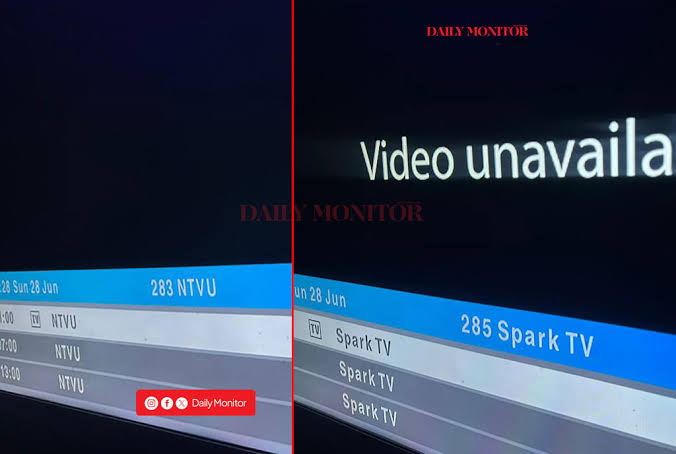
The shuttering of the Daily Monitor and NTV is significant because these are among the most widely read and watched independent outlets in Uganda
Kampala
Nearly six months after Uganda's contentious January general election, the country has slid into one of the most severe crackdowns on the press and political opposition in its recent history. In the past two weeks, soldiers have physically shut down the offices of the Daily Monitor and a cluster of allied broadcast stations, senior opposition figures remain in detention amid alarming reports about their health, and rights groups have issued a stream of warnings that Uganda's civic space is closing fast. What began as a disputed vote count has hardened into an open confrontation between the state security apparatus and the institutions that scrutinise it.
What is happening
On the night of June 28, soldiers moved on the Kampala premises of Nation Media Group, forcing the Daily Monitor newspaper and its sister broadcasters — including NTV, Dembe FM, Spark TV and KFM — off the air and out of print, alongside the regional weekly The East African. The order to close the outlets was attributed to General Muhoozi Kainerugaba, the head of the Uganda People's Defence Forces and the president's son, who publicly asserted that he could shut down "any media house" and that all media in the country would henceforth "follow the rules." No formal legal justification was offered for the closures, and no court order was produced to authorise the deployment of soldiers against a private newsroom.
The media shutdown came against a backdrop of arrests targeting the political opposition. In mid-June, an elite army unit seized former Kampala Lord Mayor Erias Lukwago, a long-serving lawyer for veteran opposition figure Kizza Besigye. After being handed to police in Kira town, Lukwago was charged with a treason-linked offence and remanded in custody. His legal team has since raised urgent alarm about his deteriorating condition, describing a severe spinal problem and a declining white blood cell count that leaves him vulnerable to infection. Besigye himself remains among those held, and Amnesty International has called on the authorities to release all those it says have been arbitrarily detained, naming Besigye, Lukwago and veteran politician Miria Matembe.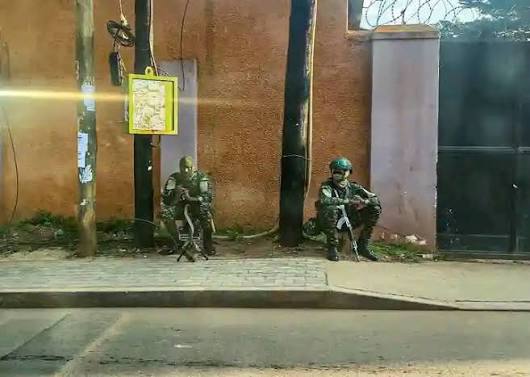
Background and context
The roots of the current turmoil lie in the presidential and parliamentary elections of January 15, 2026. The Electoral Commission declared incumbent President Yoweri Museveni the winner, reporting that he took roughly 7.9 million votes — about 71.65 percent of the total — against 2.7 million for his principal challenger, Robert Kyagulanyi, the musician-turned-politician better known as Bobi Wine. Critics noted that a full tally sheet was slow to appear, feeding longstanding opposition allegations of manipulation. The result extended Museveni's rule into a seventh term; he has governed Uganda since 1986, making him one of the longest-serving leaders on the African continent.
Uganda's elections have repeatedly been shadowed by violence and the detention of opposition figures, and the 2026 cycle proved no exception. Human Rights Watch documented what it termed a post-election assault on the political opposition in the weeks following the vote, and organisations including Article 19 and Amnesty International have chronicled a widening campaign against activists, lawyers and journalists. The current wave of closures and arrests is thus best understood not as an isolated eruption but as an intensification of a pattern that has recurred across successive Ugandan elections.
The main players
President Museveni remains the central figure, but the prominence of General Muhoozi Kainerugaba is one of the defining features of this period. As army chief and the president's son, Muhoozi has taken an increasingly public and combative role, issuing directives against the media in his own name and framing himself as the enforcer of order. His conduct has fuelled speculation about succession dynamics within the ruling establishment and about the growing weight of the military in civilian affairs.
On the opposition side, the detained figures — Besigye, a four-time presidential candidate and perennial thorn in the government's side, and Lukwago, one of the country's best-known opposition lawyers and politicians — carry deep symbolic significance. Bobi Wine and his National Unity Platform continue to command a large, youthful following, particularly in urban areas. Arrayed against the state are also the domestic and international civil society organisations — Amnesty International, Human Rights Watch, Article 19 and the Committee to Protect Journalists among them — that have amplified each new development and pressed foreign governments to respond.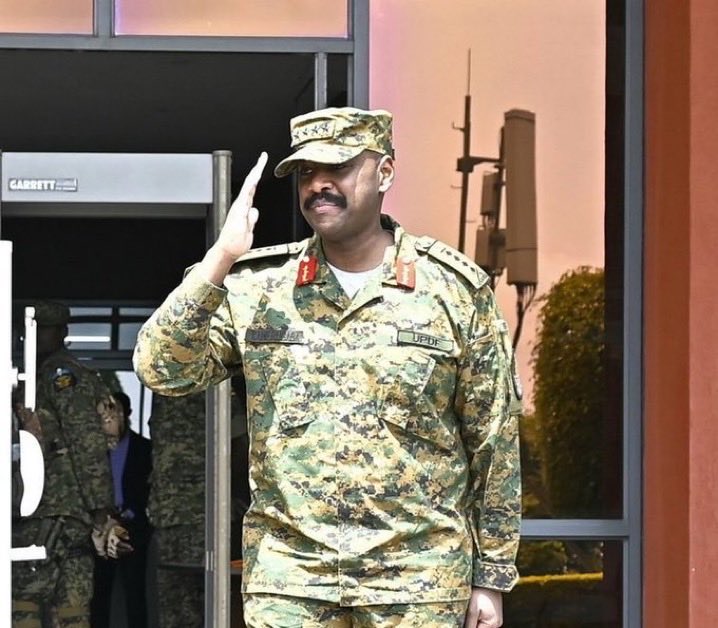
Why it matters
The shuttering of the Daily Monitor and NTV is significant because these are among the most widely read and watched independent outlets in Uganda. Their forced closure removes a major channel of scrutiny at precisely the moment when questions about the election and the treatment of detainees are most acute. When soldiers can close a newsroom on a verbal order, without recourse to the courts, the practical space for independent reporting narrows dramatically — and the chilling effect extends well beyond the outlets directly targeted, as smaller publications and individual journalists weigh the risks of continued coverage.
The detention of opposition figures under treason-linked charges, coupled with credible reports of failing health in custody, raises the stakes further. Treason is a capital offence in Uganda, and its deployment against political actors has historically been read as a tool of intimidation rather than a genuine prosecution of wrongdoing. The condition of Lukwago in particular has become a flashpoint, with his lawyers warning that a lack of adequate medical care could have grave consequences. For Uganda's international partners — including Western donors and East African neighbours — the crackdown poses uncomfortable questions about aid, diplomatic engagement and the credibility of the January result.
What to watch next
Several threads will determine how this crisis evolves. The first is the fate of the closed media houses: whether they are permitted to resume operations, on what conditions, and whether the government attempts to formalise the closures through the courts or regulatory bodies. A prolonged shutdown would mark a durable shift in Uganda's media landscape; a swift reversal under domestic and international pressure would suggest the limits of the security establishment's reach.
The second is the treatment and legal trajectory of the detained opposition figures. Bail applications, the progress or stalling of the treason-linked cases, and above all the health of Lukwago and the conditions of Besigye's detention will be closely tracked by rights groups and diplomats. The third is the external response — whether statements from Amnesty International, Human Rights Watch and foreign governments translate into concrete pressure, and how the East African Community and the African Union position themselves. Finally, observers will watch the street: whether the crackdown succeeds in suppressing dissent or whether it galvanises the opposition's base, particularly the young urban supporters who rallied behind Bobi Wine. Uganda has weathered post-election tension before, but the combination of a militarised media closure and the detention of ailing opposition leaders makes the current moment unusually volatile.



