Written By | Alex Mbamanya
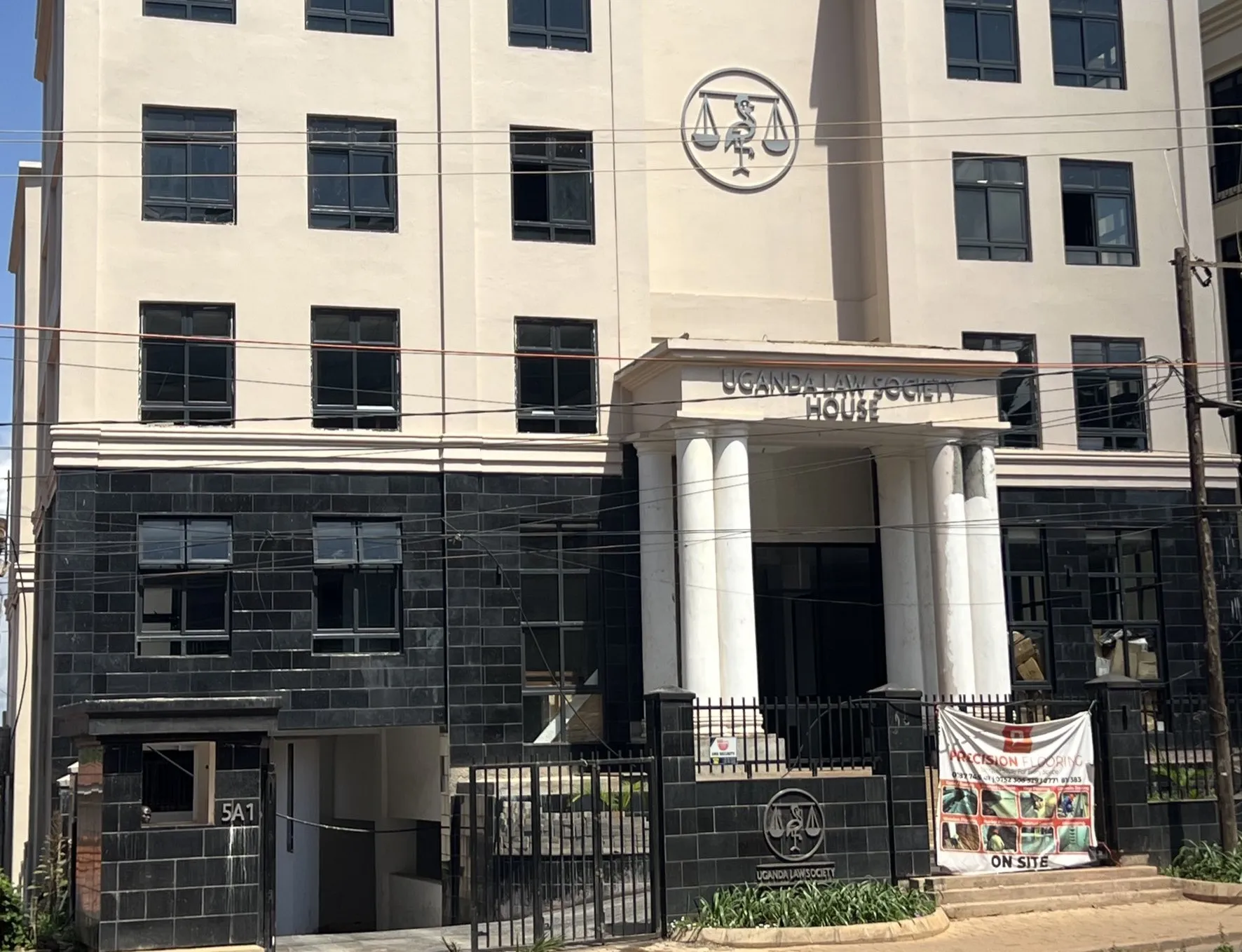
ULS proposed that magistrates be allowed to handle all criminal cases except terrorism and treason, while also increasing the pecuniary limits for civil cases.
PARLIAMENT
The Uganda Law Society (ULS) has asked Parliament to expand both the criminal and civil jurisdiction of Magistrates Courts to improve efficiency and reduce case backlog in the judiciary.
Appearing before the Legal and Parliamentary Affairs Committee, ULS proposed that magistrates be allowed to handle all criminal cases except terrorism and treason, while also increasing the pecuniary limits for civil cases.
Presenting the Society’s views on the Magistrates Courts (Amendment) Bill, 2026, Denis Kusasira, Chairperson of the Judicial Affairs Committee at ULS, said Magistrates Courts are central to Uganda’s justice system and should be empowered accordingly.
“Magistrates Courts are, in our view, more important than the High Court. They are closer to the people and handle the majority of cases. Court statistics will show that they carry the largest backlog. Why should we limit them to handling only petty cases?” Kusasira argued.
ULS proposed that Chief Magistrates be given jurisdiction over all criminal offences except terrorism and treason, including those that carry a maximum penalty of death.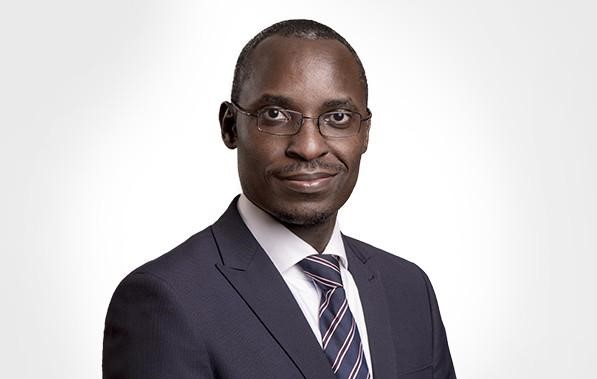
Kusasira
Concerns Over Exclusion of Treason and Terrorism
However, Ndorwa East MP Wilfred Niwagaba questioned the rationale behind excluding terrorism and treason from the jurisdiction of Magistrates Courts.
“Why are you excluding treason and terrorism? Is it because you want them to remain under the Court Martial? What is peculiar about these offences?” Niwagaba asked.
In response, ULS defended its position, arguing that including such offences would effectively strip the High Court of its original jurisdiction.
The Society noted that terrorism and treason cases often involve international dimensions and should remain reserved for higher courts to maintain proper case categorisation.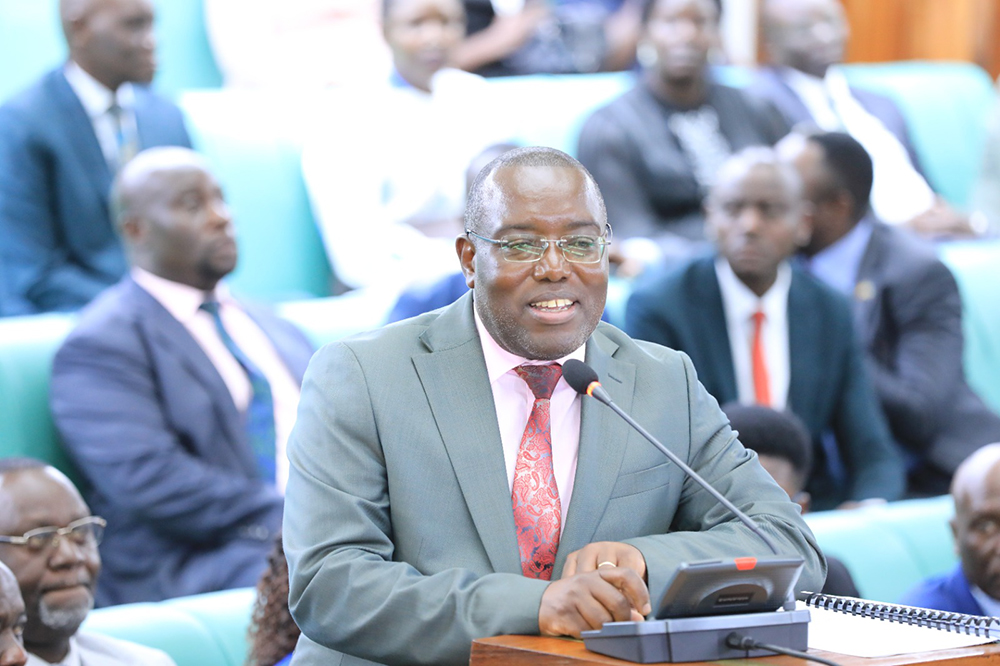
Wilfred Niwagaba (Ndorwa East)
Push for Higher Civil Jurisdiction Limits
ULS also proposed significant increases in the financial limits for civil cases handled by magistrates, citing inflation and economic changes.
Under the proposal, Chief Magistrates would handle cases worth up to Shs 300 million, Senior Principal Magistrates Shs 150 million, Principal Magistrates Shs 100 million, and Senior Magistrates Shs 50 million.
Kusasira argued that the current thresholds are outdated, noting that it has taken government nearly nine years to revise them.
“We have benchmarked with Kenya, where Chief Magistrates handle cases worth up to the equivalent of Shs 600 million. Our proposed figures are reasonable given the current economic realities,” he said.
Debate on Judicial Structure and Ranks
The Society opposed provisions in the Bill that seek to reduce magistrate ranks to only two levels—Chief Magistrate and Magistrate—describing the move as regressive.
ULS instead called for the recognition and legal embedding of existing ranks, including Senior Principal Magistrate, Principal Magistrate, and Senior Magistrate, to support career progression and boost morale.
“We don’t want ranks to be given as administrative favours. They should be clearly provided for in law, with the Judicial Service Commission guided on promotion criteria,” Kusasira said.
Push to Abolish Committal Proceedings
ULS further called for the abolition of committal proceedings, describing them as outdated, duplicative, and a major cause of delays in the justice system.
“I have not seen a magistrate refuse to commit a case due to lack of evidence. These proceedings serve no purpose other than delaying trials. The accused can be given a summary of evidence without going through this process,” Kusasira argued.
He cited countries such as Kenya, England, Wales, and Northern Ireland, where committal proceedings have already been abolished.
However, Bugabula North MP John Teira raised concerns about the legal implications of scrapping committal proceedings, noting that it would require amendments to other laws, including the Trial on Indictments Act.
“Would you be comfortable delaying this amendment to allow for a more comprehensive legal reform, or should we proceed with what is currently before us?” Teira asked.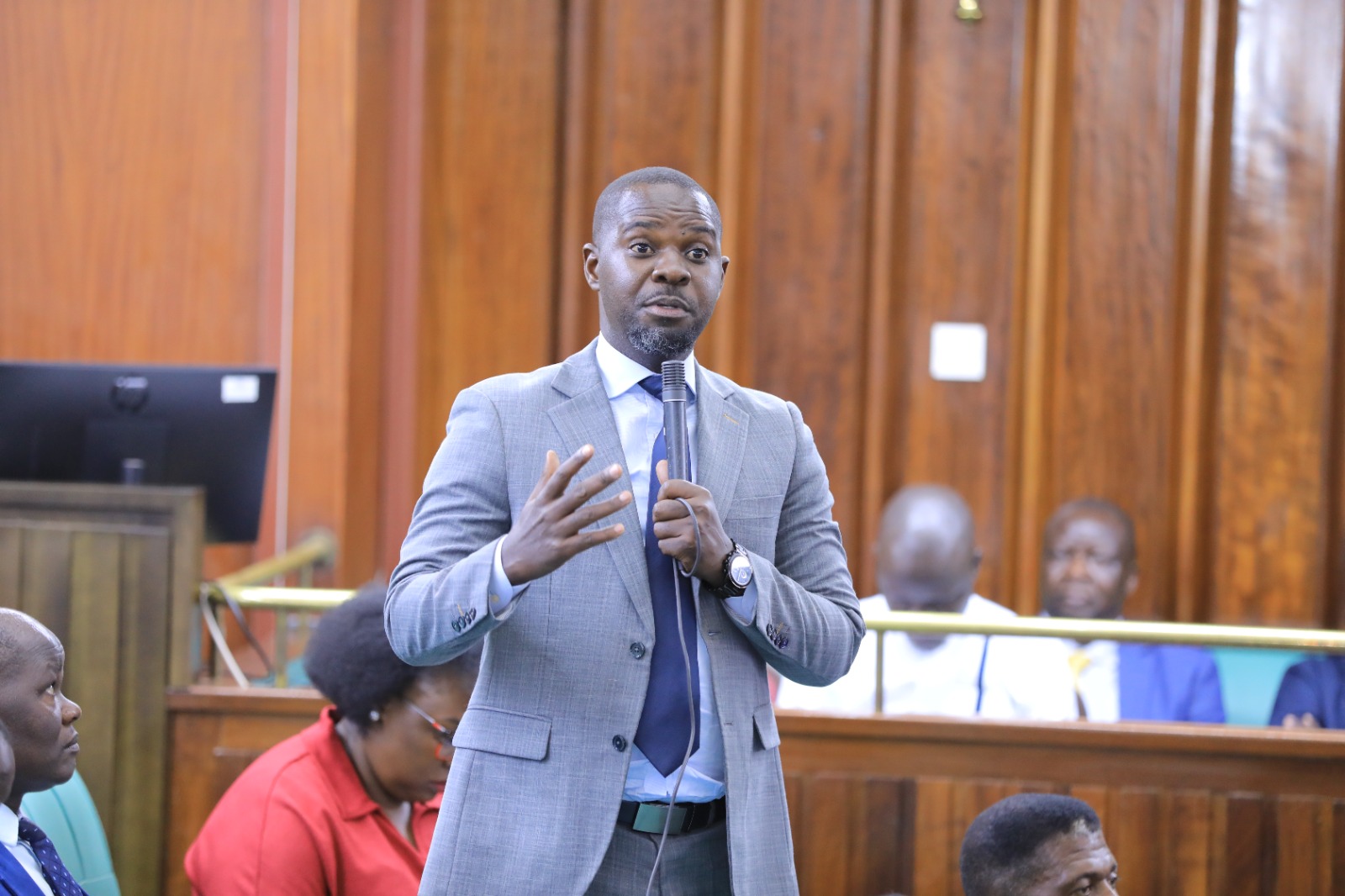
John Teira
Call for Comprehensive Judicial Reform
ULS emphasised that the proposed reforms present an opportunity to comprehensively strengthen the magistracy and decongest the High Court.
“If government is serious about restoring the High Court to focus on more complex matters, then it must enhance the jurisdiction of Magistrates Courts. This is an opportunity we should not waste,” Kusasira said.
The Society maintained that empowering magistrates would not only improve access to justice but also ensure faster resolution of cases across the country.
Torch Media Africa



