Written By | Peter Luzinda
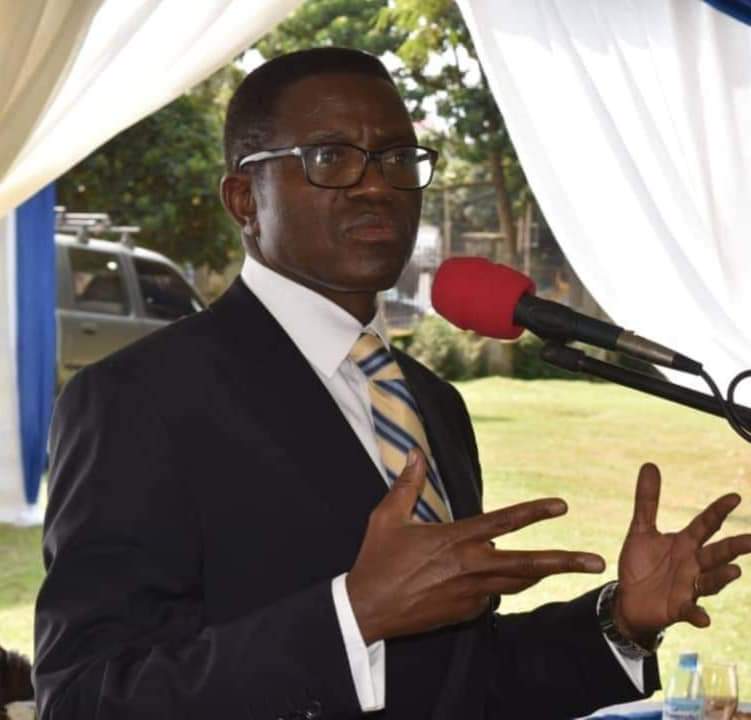
Charles Peter Mayiga
KAMPALA
A controversial statement by Buganda Katikkiro Charles Peter Mayiga describing the Uganda Martyrs as “traitors” from the perspective of the Buganda Kingdom has ignited widespread debate across Uganda ahead of this year’s Martyrs Day celebrations.
In an interview with the Daily Monitor, Mayiga argued that while Christians today honour the martyrs as heroes of faith, the political leadership of Buganda during the reign of Kabaka Mwanga II likely viewed them differently.
“From the kingdom’s point of view then, they were traitors,” Mayiga reportedly explained, arguing that the converts rejected the authority and traditions of the state at a time when Buganda was facing growing foreign influence and internal instability.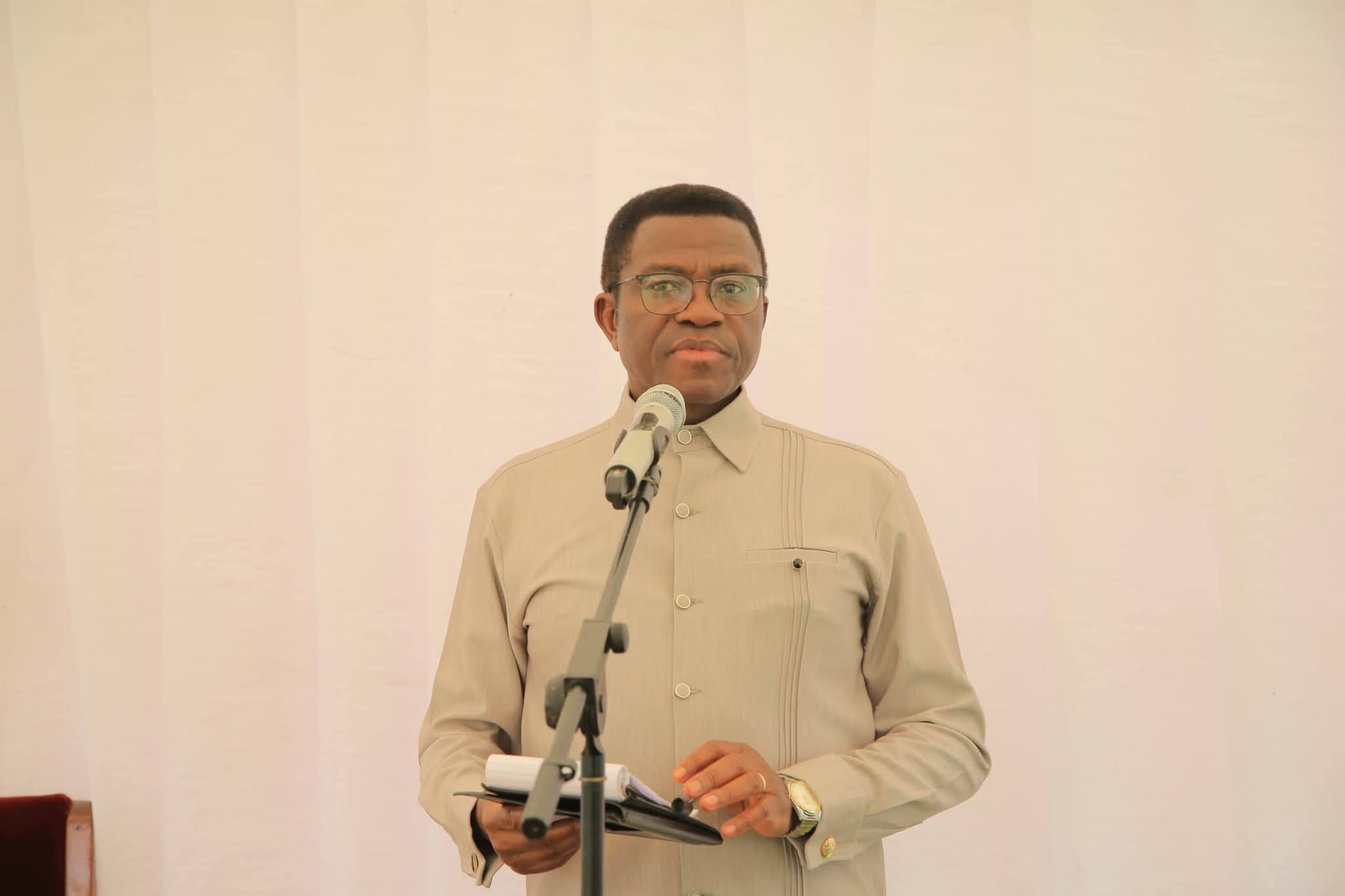
The remarks quickly spread across social media platforms, triggering sharp reactions from Christians, historians, political commentators, and ordinary Ugandans.
Some critics accused the Katikkiro of disrespecting a sacred chapter in Uganda’s religious history, particularly at a time when thousands of pilgrims are travelling to Namugongo to commemorate the martyrs.
Others, however, defended Mayiga’s comments as an attempt to present the historical realities surrounding the executions rather than attack the Christian faith.
The Uganda Martyrs — 45 young Catholic and Anglican converts — were killed between 1885 and 1887 on the orders of Kabaka Mwanga II after refusing to renounce Christianity and submit to certain royal demands.
Their deaths later became a defining moment in the spread of Christianity in Uganda and across Africa.
Every year on June 3, millions of believers gather at the Namugongo shrines to honour the martyrs, whose sacrifice is widely associated with faith, conviction, and resistance against persecution.
Yet historians have long argued that the conflict surrounding the martyrs extended beyond religion alone.
During the late 19th century, the Buganda Kingdom was under increasing pressure from European missionaries, Arab traders, and colonial interests. The introduction of Christianity and Islam created divisions within the royal court, with pages and chiefs aligning themselves with competing religious groups.
Some scholars believe Kabaka Mwanga II feared that converts loyal to foreign missionaries could weaken his authority and threaten the independence of the kingdom.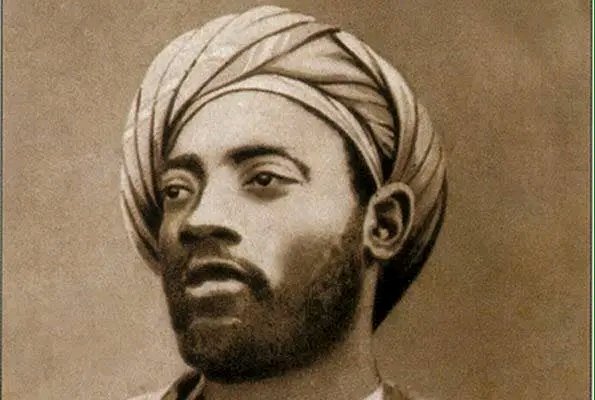
Kabaka Mwanga
It is within this context that Mayiga’s comments appear to have been framed.
Several commentators noted that historical events are often interpreted differently depending on political, cultural, or religious perspectives.
“To Christians, they are saints and heroes,” one commentator wrote online. “To a king trying to preserve authority during foreign intrusion, they may have appeared rebellious.”
Still, many believers said the wording used by the Katikkiro was too harsh and insensitive given the importance of the martyrs in Uganda’s spiritual life.
Religious leaders remained largely cautious on Tuesday, although discussions continued widely in churches, radio talk shows, and online forums.
The Catholic martyrs were canonized by Pope Paul VI in 1964 during a historic ceremony in Rome, making them among Africa’s most celebrated Christian saints.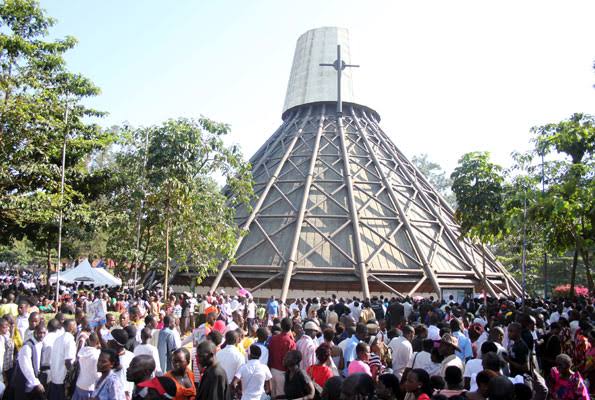
Pilgrims in Namugongo
Today, Uganda Martyrs Day remains both a national holiday and one of the continent’s biggest religious gatherings.
As pilgrims continue arriving at Namugongo from across East Africa, the controversy surrounding Mayiga’s remarks has reopened difficult conversations about faith, power, loyalty, and the complicated legacy of Buganda’s pre-colonial history.
For some Ugandans, the martyrs represent unwavering spiritual courage. For others examining the political realities of the time, the story remains more complex than religion alone.
Torch Media Africa



