Written By |
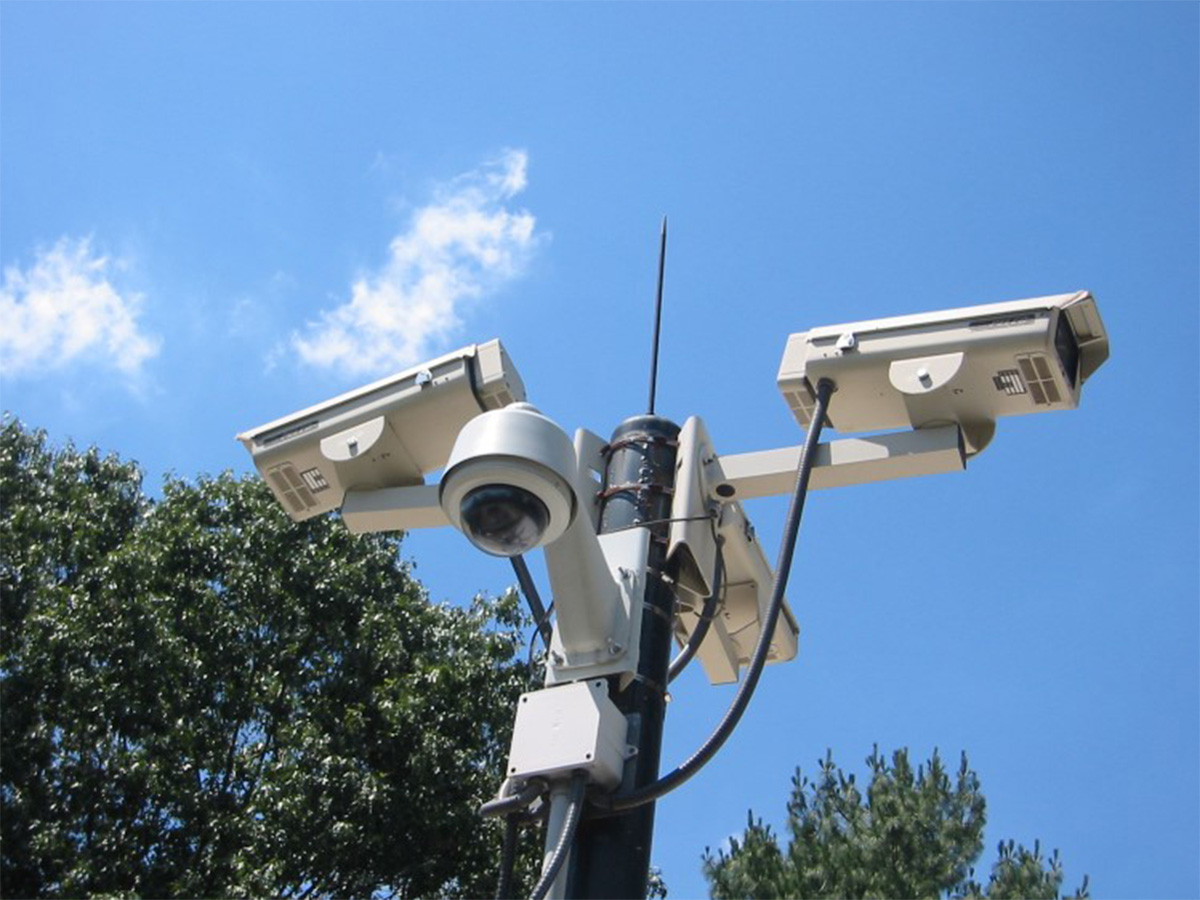
Since its launch in 2018, the National CCTV System has played a crucial role in law enforcement, with 42,427 operations and intelligence-led incidents managed through the network
Parliament
The Government of Uganda has dismissed concerns raised by Members of Parliament regarding the alleged non-functionality of the National CCTV Systems Project, arguing that the $120 million (UGX 437.7 billion) investment has yielded significant success, with some districts recording a 100% functionality rate.
The remarks were made by David Muhoozi, the Minister of State for Internal Affairs, while appearing before Parliament’s Defence and Internal Affairs Committee. He was responding to concerns raised by MPs following an oversight visit to several locations where the CCTV cameras were installed.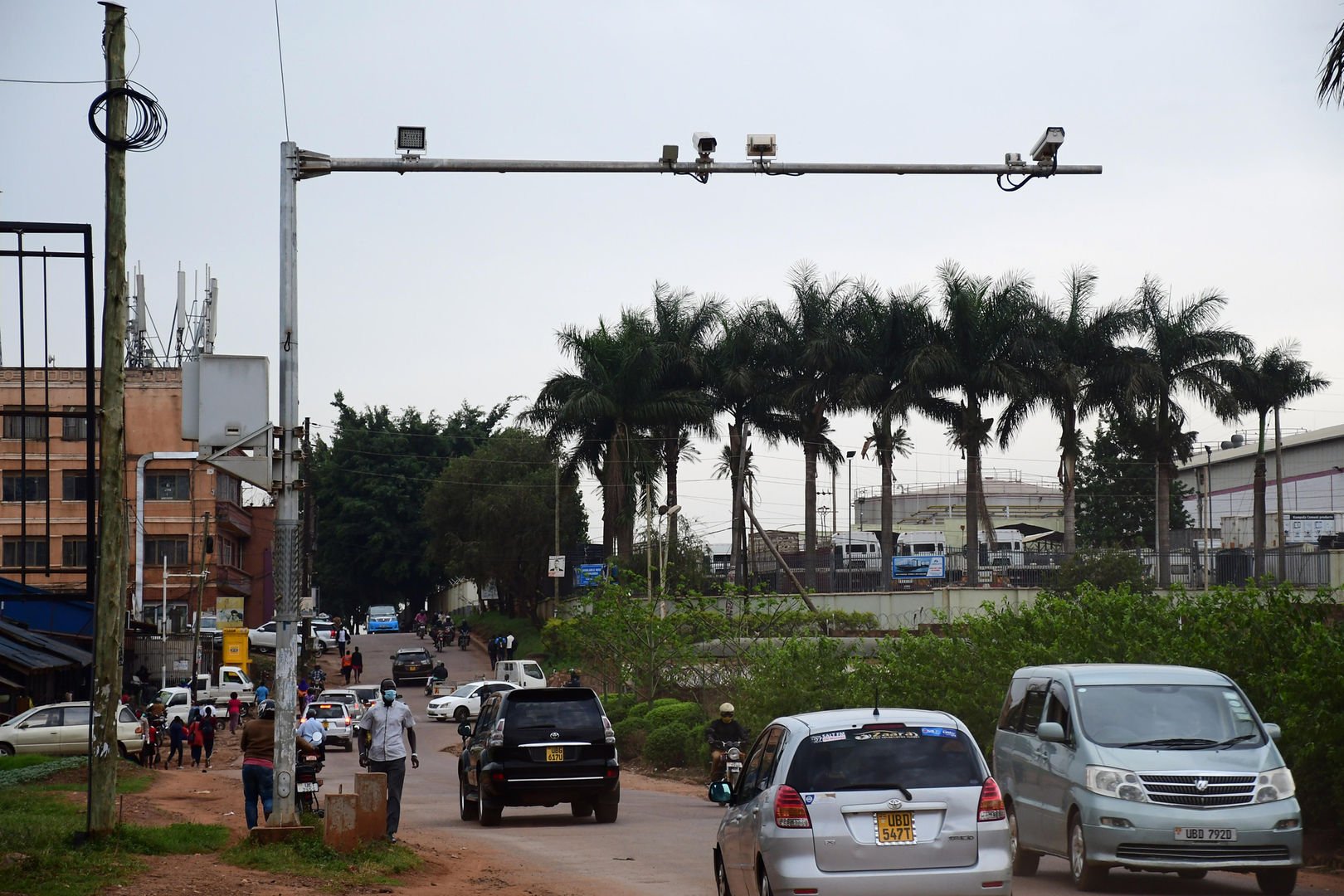
Government’s defence
Muhoozi assured the committee that the CCTV cameras are operational, with an average performance rate of 85% to 95% across the country, and some districts achieving full functionality.
“The cameras are operating normally, with some districts achieving 100%. The implementation of Phase 3 of the project has not yet commenced due to lack of funding,” Muhoozi stated.
Impact of the CCTV system
Since its launch in 2018, the National CCTV System has played a crucial role in law enforcement, with 42,427 operations and intelligence-led incidents managed through the network.
Key statistics from investigations supported by CCTV footage include:
Despite these successes, Muhoozi acknowledged that Phase 3 of the project remains stalled due to lack of funds, limiting the expansion of the CCTV system to other areas.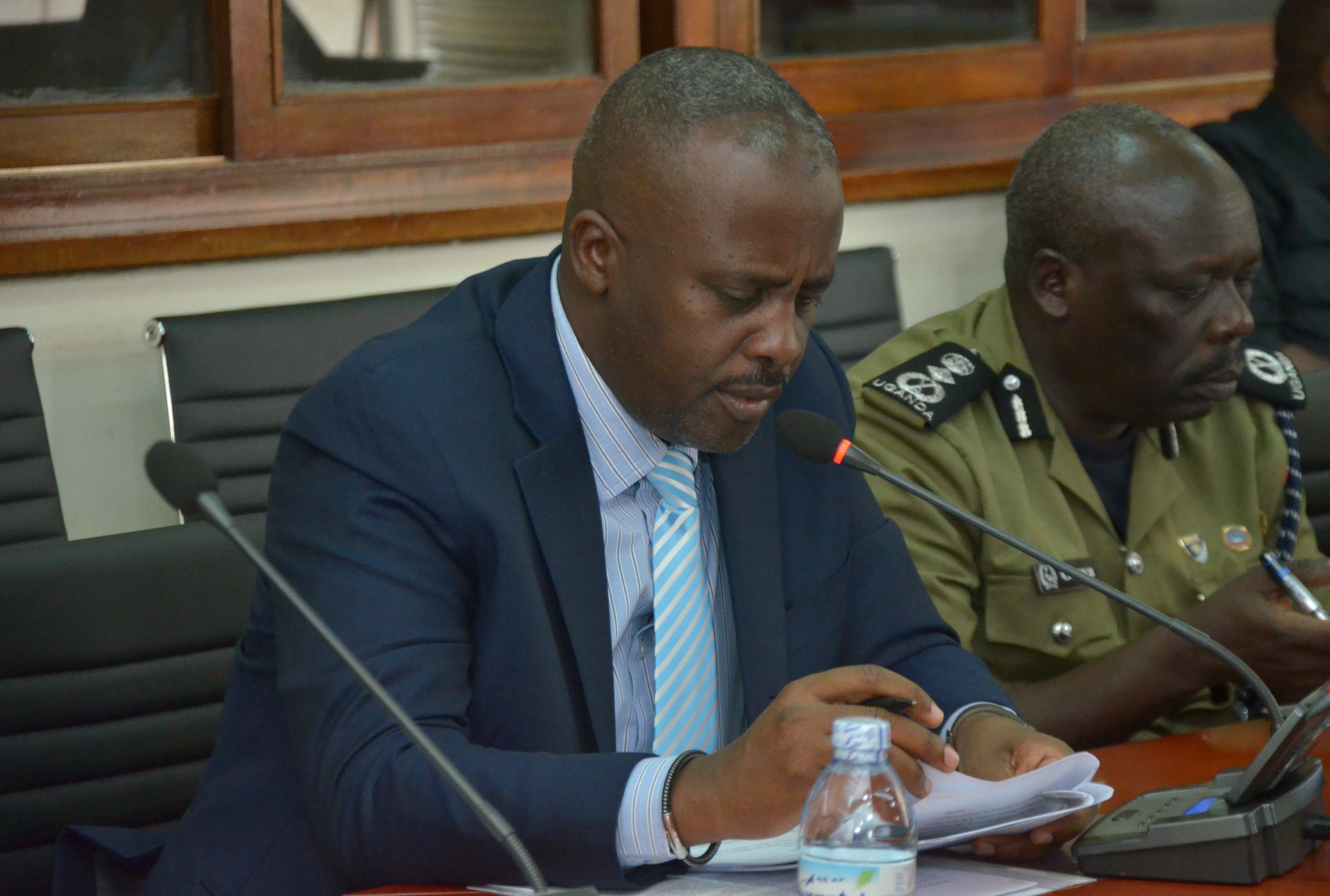
Minister David Muhoozi
Parliament’s oversight concerns
Parliament had earlier expressed dissatisfaction with the state of the CCTV network, citing cases of non-functional cameras, poor maintenance, and technical challenges. The MPs raised concerns that some critical locations lacked coverage and that there were delays in retrieving footage for investigations.
While the government maintains that the system is largely functional, MPs have called for a comprehensive audit to assess its effectiveness and ensure that public funds are utilized efficiently.
The CCTV project, launched in response to increased urban crime rates and security threats, was implemented in phases starting in 2018 to enhance surveillance and aid law enforcement agencies in crime detection and prevention.
Torch Media Africa



