Written By |
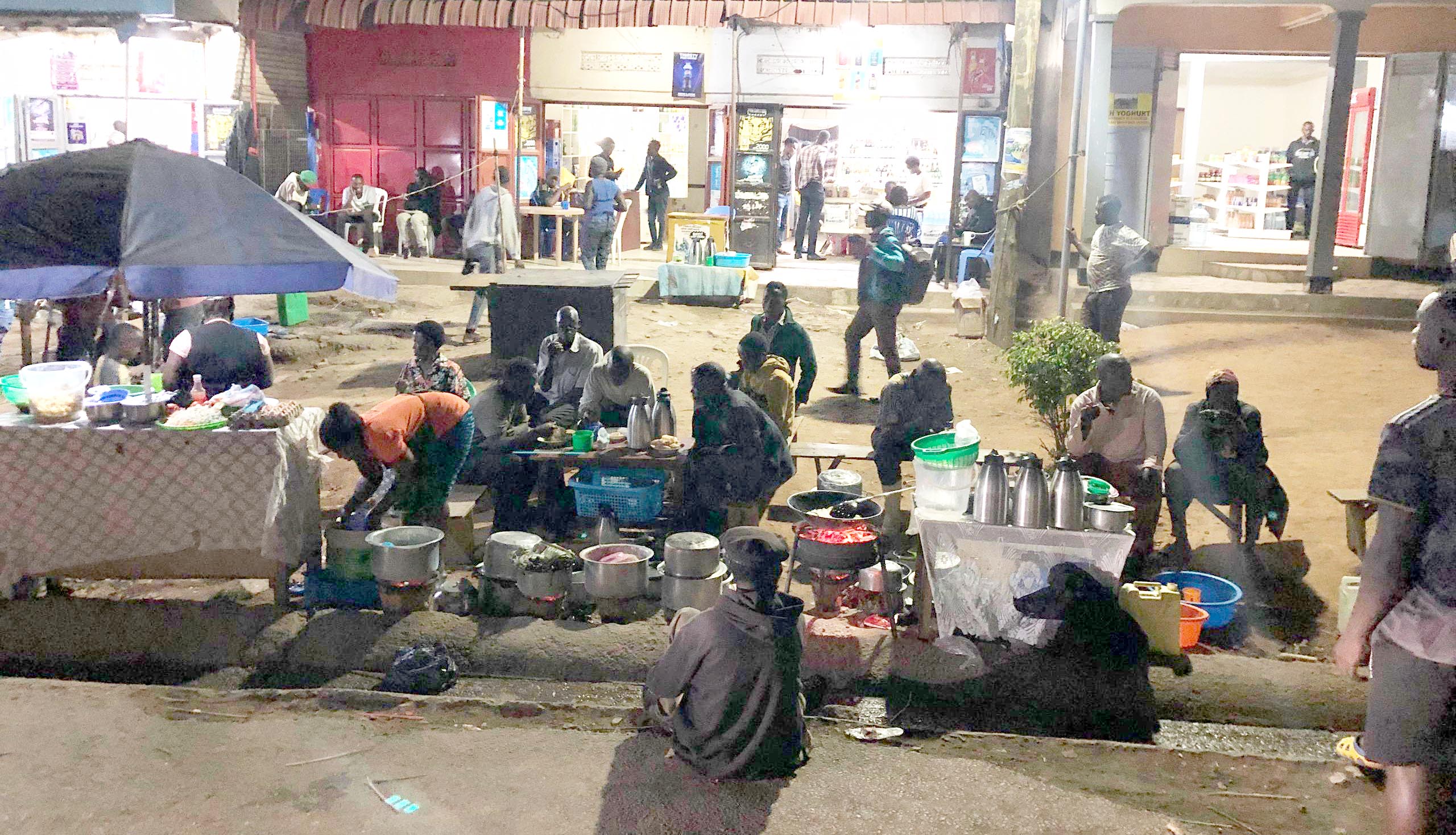
People buy food at road side vendors in Sanga town in Kiruhura district. (Photo Jovita Hasto)
By Jovita Hasto
Nutritionists have warned the public against excessive consumption of fast foods, citing their link to heart disease and non-communicable diseases such as diabetes and hypertension.
They argue that many of these foods, often sold by street vendors, are exposed to unhygienic conditions, making them prone to contamination.
Fast foods are popular due to their affordability and convenience, with many people across the country relying on them as a quick meal option, whether from street vendors or food stalls.
Fast Foods and Health Risks
Dr. Daniel Kamara, a nutritionist at Bwindi Community Hospital, categorizes fast foods as processed, junk, and street foods, often high in unhealthy fats and oils.
"The high consumption of processed foods has significantly increased obesity rates, with 89% of men and 88% of women affected. Additionally, the prevalence of overweight individuals has risen from 14% in 2023 to 23.9% in 2025," Kamara explains.
He attributes these alarming statistics to excessive alcohol intake, high consumption of fatty foods among men, excessive salt intake among women, and the failure to include vegetables and fruits in daily meals—factors that have contributed to premature deaths.
"Ugandans are living with high cholesterol levels, and four out of ten people have high triglycerides due to frequent exposure to fast foods. As a result, many are at risk of heart disease, diabetes, and other non-communicable diseases," he warns.
Kamara also highlights the hidden cost of fast food consumption.
"People think fast foods are cheap, but in reality, they are expensive in the long run. Many individuals end up spending large sums on medical bills due to health complications arising from years of consuming these unhealthy foods," he notes.
He further raises concerns about food safety, particularly juices sold in bottled water containers, questioning whether the bottles are properly cleaned before being reused.
"This is a form of food fraud. Consumers cannot be sure about the hygiene of these products," he adds.
Public Concerns Over Fast Food Hygiene
Mr. Joshua Nankunda, a resident of Mbarara City, shares his experience with contaminated street food, warning that it often leads to health complications.
"Vendors sometimes sell spoiled food to avoid incurring losses after purchasing it from farmers. Consumers end up suffering as a result," he says.
He recalls purchasing boiled maize from a street vendor, only to find it dry and hard despite being labeled as freshly cooked.
"I don't know if the maize was fresh or had been left out in the sun before being boiled. I had to throw it away," he laments. When he confronted the vendor, he was told that food is transported from distant areas, forcing sellers to prepare it in ways that minimize losses. "After that experience, I lost trust in street food. Worse still, I developed constipation for days," he adds.
Mr. Joseph Rwatooro, a resident of Ibanda District, echoes similar concerns, stating that street food is highly susceptible to contamination.
"Vendors move from place to place, shaking hands with friends and touching different surfaces. Along the way, they come into contact with germs. Some even scratch themselves, and you can’t stop them—it’s normal human behavior. But these small acts expose food to bacteria," he explains.
Rwatooro has since stopped buying street food while traveling long distances, as he often sees vendors interacting with multiple people without washing their hands.
"The best food is the one you prepare yourself in a clean environment. Vendors are human beings too—they need to attend to nature’s call, but the same hands they use afterward are the ones they use to serve food. This exposes the food to all sorts of contamination," he states.
Health Experts Call for Better Food Safety Measures
Ibanda District Health Officer, Mr. Julius Bamwine, urges the public to be cautious about what they eat, noting that many people complain of illnesses caused by consuming contaminated street food.
"What I’ve observed on roadsides is that customers themselves contribute to food contamination. For instance, when buying roasted chicken, they touch the food to check if it’s hot. This is wrong and leads to contamination," he warns. Bamwine advises vendors to ensure that the food they sell is safe and free from contamination. He also calls for mandatory medical check-ups for food handlers.
"Food vendors should undergo medical screenings for communicable diseases such as brucellosis and typhoid. They should also have medical certificates proving they are fit to handle food," he emphasizes.
Authorities Speak Out on Food Safety Regulations
Mbarara City South Division Mayor, Mr. Jomo Mugabi, highlights the health precautions in place to ensure food safety across the country.
He insists that all individuals involved in food businesses should obtain medical certificates verifying their health status to prevent the spread of diseases.
"Food sellers must ensure their customers' safety by providing clean and uncontaminated food. Poor hygiene puts consumers at serious risk," he asserts.
Mugabi further stresses the importance of preparing food in a clean environment, stating that it should not be exposed to conditions that could cause illness.
Torch Media Africa



