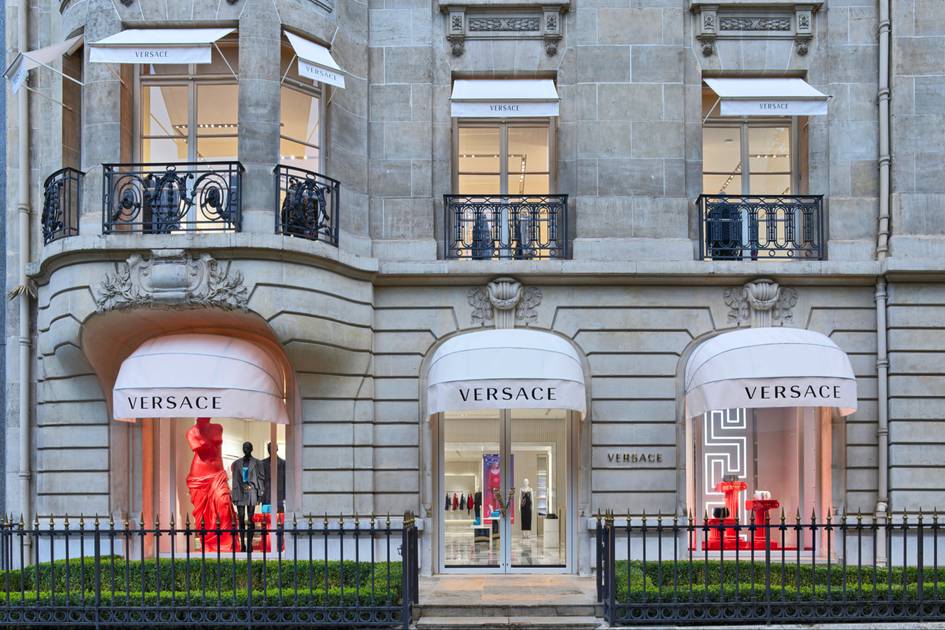
MILAN
Fashion has a particular way of announcing seismic change: a single photograph, a terse press release, and then months of speculation about what comes next. That is exactly how the industry learned that Pieter Mulier, the soft-spoken Belgian designer who spent the last five years quietly rebuilding the house of Alaïa, is now the Chief Creative Officer of Versace — one of the most maximalist, unapologetically loud fashion houses in the world. The appointment, confirmed jointly by Versace and Prada Group and effective July 1, 2026, is still reverberating through Milan and Paris as one of the most unexpected creative pairings in recent fashion memory.
On paper, it barely makes sense. Versace is the house of gold Medusa hardware, body-hugging silhouettes, and a instantly recognizable, exuberant sensuality built by Gianni Versace and carried forward for decades by his sister, Donatella. Mulier, by contrast, has built his reputation on restraint — sculptural, quiet, almost monastic minimalism, first at Raf Simons' studio, then at Jil Sander, then as the design hand behind some of Dior menswear and Calvin Klein's most understated moments, and most recently as the designer who resurrected Alaïa's body-conscious, architectural elegance into one of the most critically adored labels in fashion. He is not, by any obvious read, a maximalist. And yet Prada Group — which completed its acquisition of Versace in a deal finalized earlier this year — has bet its newest and most storied asset on exactly this contrast.

A House in Transition
To understand why this appointment matters so much, it helps to understand what Versace has been going through. Donatella Versace stepped back from day-to-day design duties last year, transitioning into a chief brand ambassador role after three decades steering the house following her brother's death in 1997. That transition alone would have been a significant moment for the brand. Layered on top of it is Versace's acquisition by Prada Group, folding one of Italy's most iconic — and, in recent years, commercially underperforming — fashion houses into a portfolio that already includes Prada and Miu Miu. The Mulier appointment is Prada Group's clearest signal yet of how it intends to revive Versace: not by chasing nostalgia, but by handing the house to a designer whose entire career has been about discipline, precision and a kind of quiet confidence utterly unlike anything Versace has been known for.
Mulier reports directly to Versace's Executive Chairman, Lorenzo Bertelli — Miuccia Prada's son and the executive widely seen as the architect of Prada Group's expansion strategy — a reporting line that underscores just how central this appointment is to the group's broader ambitions for the brand. Industry observers note that this is not a caretaker hire. It is a full creative reset, the kind of move fashion houses make only when they are willing to risk alienating loyalists in pursuit of a genuinely new identity.
The Mulier Track Record
Mulier's résumé reads like a masterclass in modern fashion's design lineage. He began his career assisting Raf Simons, absorbing the Belgian minimalist tradition at its source, before moving through roles that touched some of the most influential ateliers of the last two decades, including stints connected to Dior and Calvin Klein's design operations. But it was his appointment as creative director of Alaïa in 2021 that made his name. Taking over a house that had gone without a creative director since founder Azzedine Alaïa's death in 2017 — a full four years during which the brand's identity had been left, in essence, unattended — Mulier became the first person to hold that title at Alaïa in the post-founder era.
What he did with it earned near-universal acclaim. Mulier's Alaïa collections leaned into the founder's obsession with body, structure and craftsmanship, while introducing a cooler, more architectural sensibility that resonated with a new generation of editors, stylists and Hollywood stylists alike. Alaïa's pieces — particularly its sculptural bags and body-skimming knitwear — became some of the most photographed items on red carpets and in street style circuits over the past several years. It was, by nearly every measure, one of the most successful creative director tenures in recent fashion history, which is precisely what makes his departure, after just five years, and his landing at a house as different as Versace so striking.
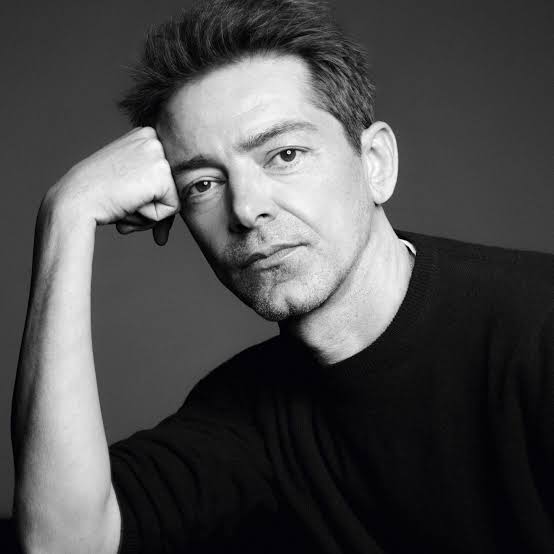
Pieter Mulier Is Heading to Versace
What the Fashion World Is Saying
Reaction across the industry has been a mix of intrigue and genuine uncertainty — a rarer response in an industry that usually knows exactly how to feel about a big appointment within hours. Some longtime Versace watchers see the hire as a savvy, if risky, bet: Mulier's discipline could be exactly what Versace needs to modernize without losing its DNA, the way past outside hires have occasionally reinvigorated storied Italian houses. Others worry the pairing is simply too dissonant, that Mulier's minimalist instincts and Versace's maximalist soul are fundamentally incompatible, and that something essential about the house's identity risks being lost in translation.
What almost everyone agrees on is that Mulier's first Versace collection, whenever it debuts on the runway, will be one of the most closely watched fashion moments of the coming season. Milan Fashion Week regulars are already circling the calendar, anticipating a showing that will either reaffirm Prada Group's boldest bet yet or expose the limits of importing a minimalist sensibility into a maximalist house.
What This Means for Readers
For everyday fashion followers, this appointment is a reminder of just how much creative director shuffles have come to define the modern fashion industry — decisions made in boardrooms that ripple outward into what ends up on runways, red carpets and eventually store racks. Versace's identity, for better or worse, has always been legible even to people who don't follow fashion closely: gold hardware, bold prints, unapologetic glamour. Whatever Mulier does with that legacy over the coming months will shape how an entire generation encounters one of fashion's most storied names.
It is also a window into how consolidated fashion has become. A handful of conglomerates — Prada Group among them — now control the creative direction of houses that once operated as fiercely independent, family-run ateliers. Mulier's move from Alaïa to Versace, both ultimately under corporate stewardship, illustrates how even the industry's most idiosyncratic voices now operate within larger strategic chess games, shuffled between brands based on what a boardroom believes will move product and headlines alike.
Whether Pieter Mulier can translate his particular brand of quiet discipline into Gianni Versace's maximalist universe remains fashion's biggest open question this season. But if his five years at Alaïa are any indication, betting against him would be unwise.
Published By | Features Editor