POLITICS
As election seasons approach in Uganda, one question quietly dominates public debate more than campaign promises or party manifestos: if an opposition candidate were to win, would the existing system allow a peaceful transition of power? This question is not born out of pessimism, but out of historical experience and institutional reality. Since Dr. Kizza Besigye first challenged President Yoweri Museveni in 2001, opposition support has grown, fluctuated, and transformed, but one constant has remained, the ruling system has never allowed an opposition victory to translate into state power. Elections have been held regularly, but transitions have not followed.
Elections Versus Power Structures
In theory, elections are meant to transfer authority through popular choice. In practice, however, power in Uganda is not held by ballots alone, but by deeply entrenched institutions whose leadership is appointed by the sitting president.
The army, the police, intelligence agencies, the Electoral Commission, and large sections of the judiciary are appointed, promoted, and financed under executive authority. Even if an opposition candidate were to win popular support, the question remains whether institutions built over decades of loyalty to one political centre would enforce that outcome. Political competition, therefore, does not occur on a institutional level.
Historical Signals from the Ruling Establishment
Over the years, several senior figures within the National Resistance Movement (NRM) and the military have publicly stated that political power cannot simply be handed over to “anyone.” Such statements, whether intended or not, reinforce the belief that regime survival is considered more important than electoral results.
President Museveni himself has repeatedly emphasised that Uganda’s stability came through armed struggle and that safeguarding it remains the responsibility of those who fought in the bush. While this narrative may resonate with historical supporters, it also suggests that political legitimacy is still partially tied to military history rather than purely civilian consent.
This creates an environment in which electoral outcomes are viewed through the lens of regime security, not only democratic procedure.
Constitutional Amendments and Signals of Permanence
The removal of presidential term limits in 2005 and the lifting of the age limit in 2017 were widely interpreted as political signals that succession through electoral rotation was not being prepared for.
In mature democracies, term limits exist not only to prevent abuse of power but to normalise leadership change. When such safeguards are removed, political competition becomes symbolic rather than decisive.
For many citizens, these amendments confirmed that power transition was not an institutional goal, but an obstacle to be managed.
Why Post-Election Tensions Persist
Because many voters already doubt that elections will produce leadership change, frustration often rises after results are announced. This frustration, when mixed with economic hardship, easily turns into protest and sometimes violence, which ultimately harms ordinary citizens more than political elites.
Yet history also shows that post-election unrest rarely produces political change in highly militarised states. Instead, it often justifies stronger security responses and further restrictions on civic space. This cycle benefits no one except those already in control of power.
The Economic Pattern After Elections
Another concern Ugandans repeatedly face after general elections is economic tightening. Inflation, rising fuel prices, increased commodity costs, and reduced household purchasing power have become familiar experiences in the months following elections.
Fuel price hikes affect transport, food distribution, construction, and school fees. Inflation then spreads across the economy, affecting even those who were not politically active. These economic consequences are not accidental. Election periods strain public finances, increase borrowing, and disrupt investor confidence. When campaigns end, citizens are left to absorb the economic adjustments.
For this reason, families should prepare not only politically but economically, by budgeting carefully, reducing unnecessary debt, and strengthening household resilience rather than expecting political miracles.
What Citizens Should Expect, and How to Respond
Given the structure of Uganda’s political system, citizens should not expect rapid leadership change through elections alone under current conditions. This is not to say that voting is useless, but that elections by themselves are not enough to dismantle deeply centralised power systems.
What citizens can realistically expect is continued political competition, gradual institutional pressure, and slow generational shifts rather than sudden regime change.
Violence, on the other hand, risks destroying livelihoods, disrupting education, and justifying harsher state controls, all while leaving power relations unchanged.
Productive civic engagement, economic self-reliance, legal advocacy, and community organisation may not bring instant results, but they protect society while slowly expanding political space.
Conclusion: Democracy Without Institutions Is Fragile
Uganda’s dilemma is not simply about who wins elections, but whether institutions are independent enough to enforce electoral outcomes. Without neutral security forces, credible courts, and autonomous electoral bodies, democracy remains procedural rather than transformational.
Until institutional independence becomes a reality, political transitions will remain uncertain regardless of popular support.
For citizens, the challenge is therefore twofold: to participate politically without risking national stability, and to prepare economically for post-election realities rather than placing all hope in political outcomes.
Democracy is not built in one election cycle. It is built through decades of institutional reform, civic responsibility, and leadership accountability, processes that require patience, strategy, and, above all, protection of life and livelihoods.
About the Writer
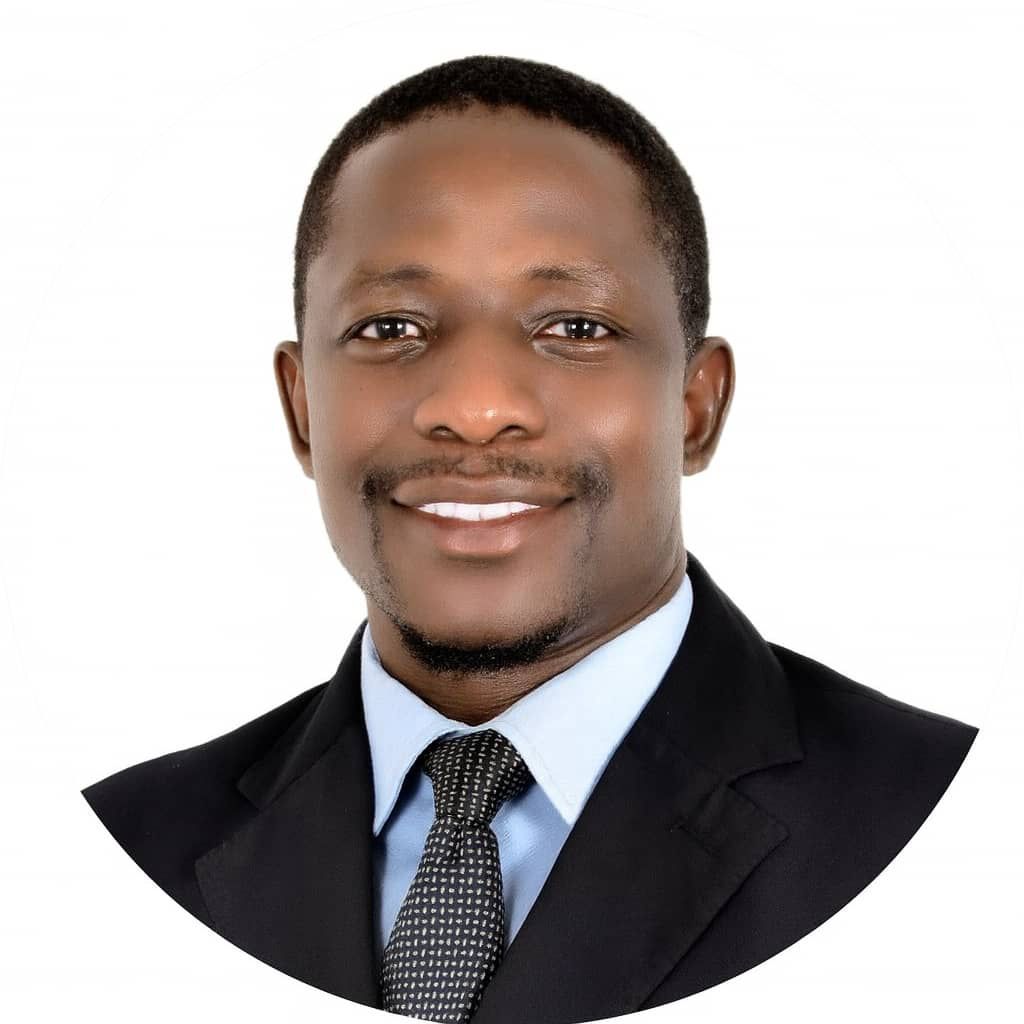
Evan Sande Ndahura is a young African writer, poet, and social commentator who believes that societies are liberated not by guns and bloodshed, but by ideas, truth, and courageous dialogue shaped through a mighty pen. His writings focus on political accountability, social justice, and the responsibility of citizens in shaping peaceful and sustainable national futures. He advocates for informed civic participation and economic self-empowerment as foundations for lasting democracy.
Published By | Features Editor