Written By |
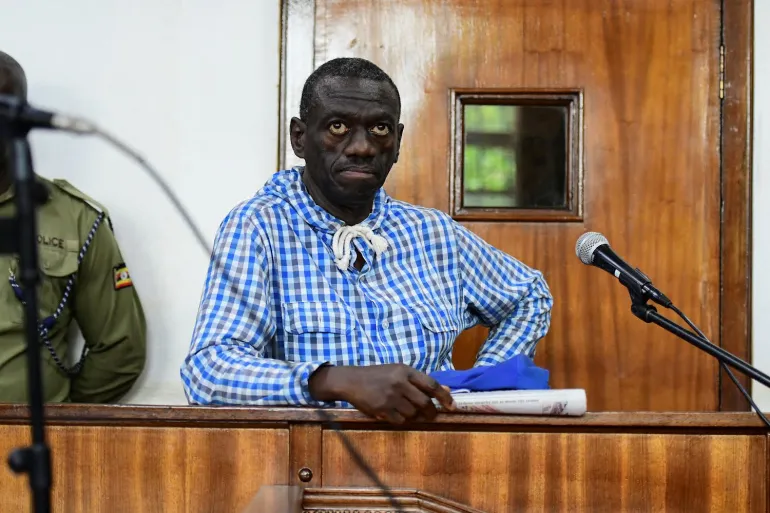
Dr. Kizza Besigye has long framed his political struggles within constitutional parameters—arguing that governance must always be bound by law
By Evans Sande Ndahura
A nation’s laws are only as strong as the minds that make and enforce them. Yet, in many developing democracies, individuals with little or no legal training are elected to parliament or appointed to investigative offices within police and security agencies.
This trend, often defended as “inclusive democracy,” has quietly produced a crisis: the erosion of legal quality, procedural fairness, and constitutional fidelity in governance.
Lawmaking and criminal investigation are not matters of mere opinion or brute force—they are technical legal processes requiring a sound understanding of rights, duties, and evidence. When people without this foundation occupy such roles, ignorance replaces intellect, and abuse replaces justice.
Legislators with Legal Backgrounds: A Record of Transformative Performance
Barack Obama – The Constitutional Mind in the Senate
Before becoming U.S. President, Barack Obama taught constitutional law at the University of Chicago and served as a senator. His legal background shaped his legislative prudence, his insistence on due process, and his respect for checks and balances. Even as president, his approach to laws like the Affordable Care Act reflected careful constitutional reasoning.
Nelson Mandela – Legal Precision for Freedom
Trained as a lawyer at the University of Witwatersrand, Mandela used his legal expertise to challenge apartheid laws and defend the rule of law when others turned to violence. His leadership in post-apartheid South Africa ensured the creation of one of the world’s most rights-based constitutions—crafted with legal precision and moral clarity.
Dr. Kizza Besigye and Justice Benjamin Odoki – Legal Minds in Ugandan Reform
In Uganda, the drafting of the 1995 Constitution benefited immensely from legally trained minds like Justice Benjamin Odoki, whose expertise ensured a clear separation of powers and protection of fundamental rights. Similarly, opposition leader Dr. Kizza Besigye has long framed his political struggles within constitutional parameters—arguing that governance must always be bound by law.
Margaret Thatcher – The Common Law Discipline
Though best known for her economic policies, Margaret Thatcher’s early legal training sharpened her grasp of legislative drafting and accountability. Laws passed under her administration were guided by legal consistency rather than mere political impulse.
The Legal Edge: Why Training Matters
1. Precision in Drafting
Legislation is a technical craft. Legal training helps lawmakers interpret statutes, identify contradictions, and anticipate judicial challenges. Without this expertise, parliaments risk producing vague, unenforceable, or unconstitutional laws.
2. Protection of Rights
A legislator or investigator grounded in law understands due process, evidentiary standards, and human rights obligations. This knowledge helps prevent unlawful detentions, fabricated charges, and populist legislation that violates constitutional rights.
3. Accountability and Oversight
Lawyers in parliament or in investigative offices have the analytical skills to scrutinize government contracts, constitutional amendments, and international treaties. They see beyond politics to the long-term legal implications—an essential perspective for sustainable governance.
The Dangers of Lawmaking and Investigation by the Legally Illiterate
Populism over Principle
Untrained legislators often pass laws for short-term popularity rather than long-term justice. This results in contradictory statutes, excessive penalties, and ill-considered amendments that courts later strike down.
Abuse of Power by Investigators
When police or security personnel lack legal grounding, investigations can become political tools. Coerced confessions, unlawful searches, and extrajudicial killings are symptoms of ignorance of legal procedure.
Weak Parliamentary Oversight
Without legal knowledge, parliament becomes a rubber stamp. Ministers table complex bills, and uninformed members nod them through—blind to constitutional or fiscal implications.
Judicial Overload and Constitutional Crises
Poorly drafted or unconstitutional laws inevitably end up in court, clogging the judiciary and wasting public resources. In some countries, up to 40% of constitutional petitions stem from parliament’s ignorance of legal standards.
Lessons from Legal-Literate Legislatures
In Britain, more than 70% of Members of Parliament possess legal or policy training, resulting in more coherent debates and better-quality laws.
In the United States, many senators and judges share legal backgrounds, ensuring harmony between legislative intent and judicial interpretation.
Kenya and South Africa, after the 1990s reforms, infused constitutional lawyers into their parliaments—producing rights-based constitutions that strengthened democracy and police accountability.
Policy Recommendations: Raising the Bar of Legal Competence
To restore credibility and professionalism:
Conclusion: When the Blind Lead the Sighted
Law governs the governed—and should also govern those who govern. Allowing legally untrained individuals to make or enforce laws is akin to entrusting surgery to someone who has never studied medicine.
Democracy does not mean mediocrity; it means qualified participation—where leaders, legislators, and investigators act with legal conscience and informed authority. If governance is the ship of a nation, then law is its compass. Without legally trained hands at the helm, we drift toward chaos rather than justice.
Torch Media Africa



