Written By | Health News Agencies
Scientists discover a DNA-repair gene secretly behaving like a cancer-causing mutation in disguise — and the twist could mean gentler chemo for hundreds of thousands of patients
HERSHEY, Pa.
In cancer biology, tumor suppressor genes are the heroes — they patrol DNA and fix damage. Oncogenes are the villains — they push cells toward uncontrolled growth. Researchers at Penn State College of Medicine just found a gene that breaks that story completely.
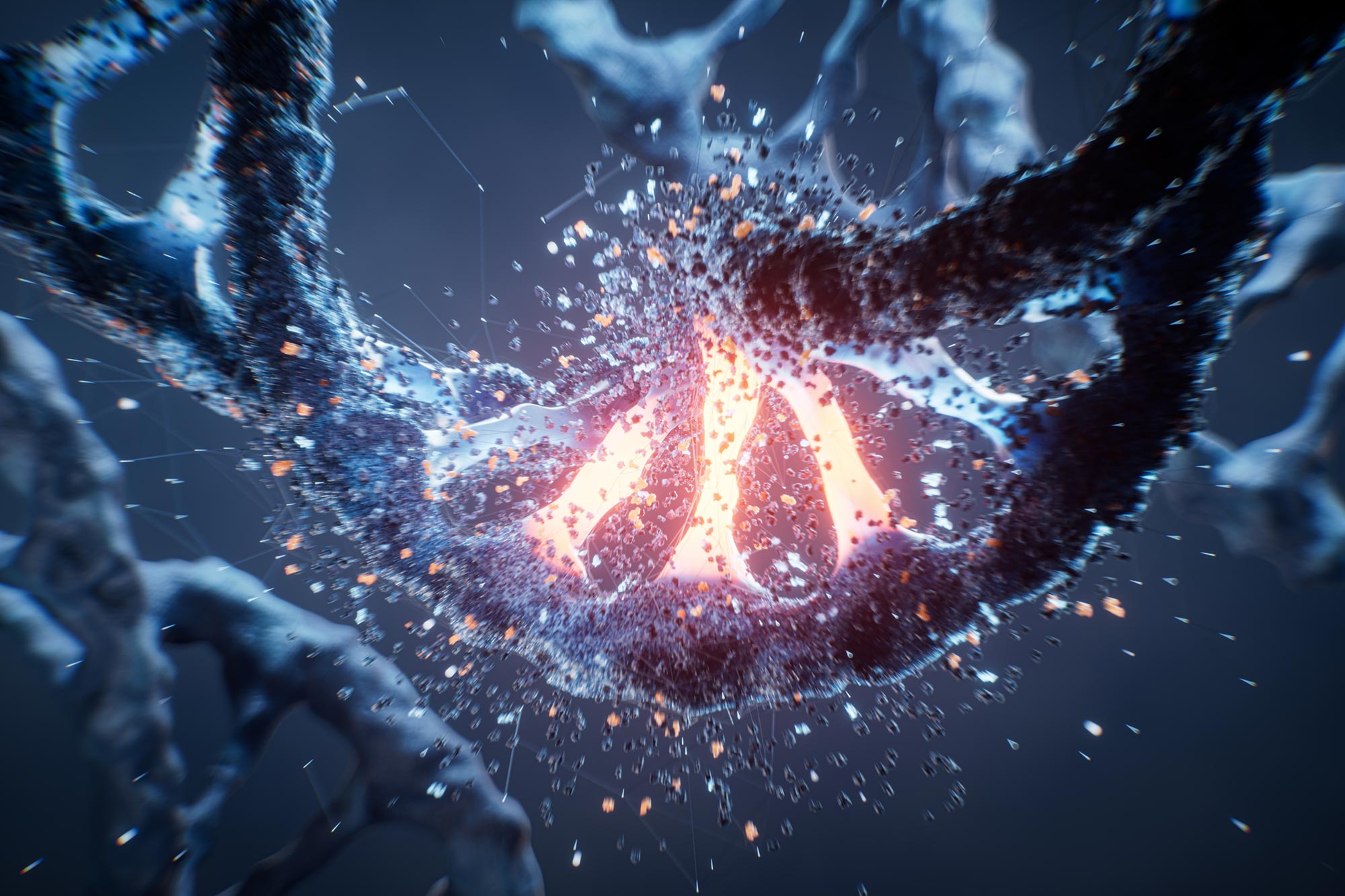
Meet EXO1 — a DNA repair gene that normally acts as precise molecular scissors, trimming broken DNA. But in a new study published in Nature Communications, the Penn State team discovered that when cells make too much EXO1, it stops helping and starts actively chewing up the DNA it's meant to protect — creating the genomic chaos that fuels cancer. The researchers found EXO1 overexpressed in 20% to 30% of breast and ovarian cancers, along with melanoma, testicular, cervical, and liver cancers.
A PAIR OF SCISSORS THAT FORGOT HOW TO STOP
Every time a cell divides, repair proteins like EXO1 clean up copying errors — think of it as an editor fixing typos. But when cells crank out abnormally high levels of EXO1, the protein doesn't stop at typos — it tears out whole paragraphs. The team documented two distinct ways EXO1 surplus destabilizes DNA: by expanding gaps in the genetic code, and by degrading "reversed replication forks" — the cell's emergency detour route during copying. Both processes create double-strand breaks that destabilize the genome.
"Regardless of which pathway, EXO1 overexpression leads to toxic lesions in DNA, which we think makes tumors more sensitive to chemotherapy," said lead author Alexandra Nusawardhana. To confirm the cutting activity was the culprit, the team disabled EXO1's molecular "blades" — cells with that defanged version showed none of the DNA damage.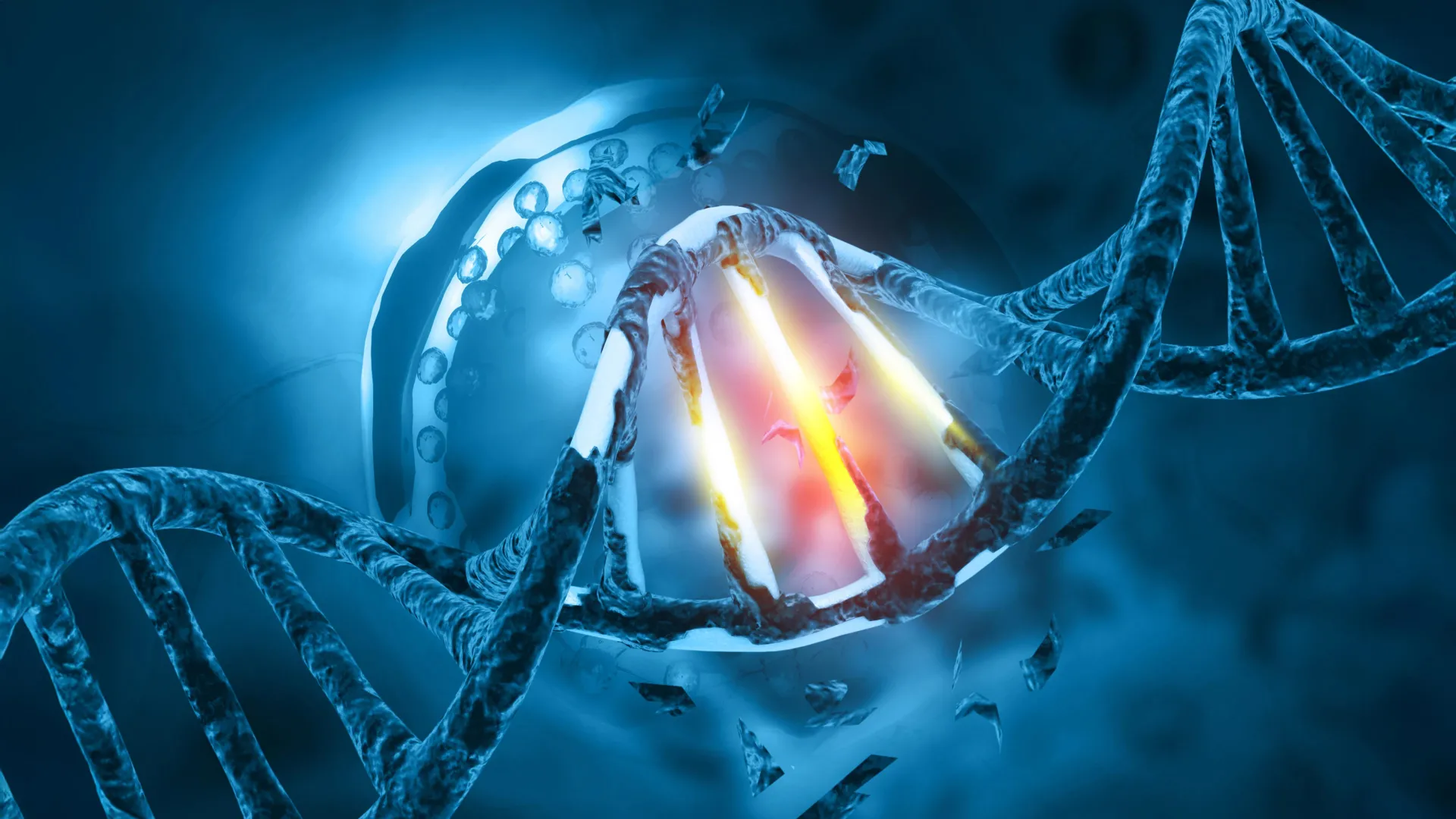
THE BRCA CONNECTION NOBODY SAW COMING
The researchers discovered that EXO1-overloaded tumor cells behave almost exactly like cells with a BRCA1 or BRCA2 mutation — the infamous gene defect behind a large share of hereditary breast and ovarian cancers. Over 60% of women with a BRCA mutation develop breast cancer, compared to 13% of average-risk women.
What makes EXO1 unusual is that it produces BRCA-like genomic chaos in cells with a completely normal BRCA gene — no inherited mutation required. "EXO1 overexpression does exactly what loss of the BRCA pathway does in BRCA-mutant tumor cells," said senior author George-Lucian Moldovan. But unlike BRCA, "EXO1 overexpression isn't inherited, and it's not known if it causes cancer" outright — meaning it's not a risk test, but a potential treatment guide once a tumor exists.
Analyzing The Cancer Genome Atlas, the team confirmed high EXO1 levels across breast, skin, liver, and cervical tumors — especially in aggressive basal-like breast cancer. In lab experiments, EXO1-overexpressing cells were hypersensitive to two drugs already used against BRCA-mutant cancers: olaparib (a PARP inhibitor) and cisplatin (a chemotherapy workhorse). That raises the possibility that cisplatin doses could be lowered for these patients, sparing brutal side effects like kidney damage, hearing loss, and severe nausea.
TREAT THE MUTATION, NOT THE ORGAN
The team's broader argument: cancer treatment should be driven by a tumor's genetic chaos, not just where it started. "We shouldn't treat cancers based on what tissue they come from but based on the landscape of genetic mutations present," Moldovan said. "That's the future of cancer treatment."
Because EXO1 overexpression appears far more frequently than BRCA mutations, it could become a practical biomarker — a simple lab test helping oncologists decide which patients might benefit from BRCA-pathway drugs, even without a BRCA mutation. That would expand access to targeted treatments currently reserved for confirmed carriers.
The researchers now plan to pursue clinical trials testing the approach directly in patients. The work was funded by the NIH and the pediatric cancer charity Four Diamonds.
WHY THIS MATTERS NOW
Roughly 321,910 American women will be diagnosed with invasive breast cancer in 2026 — only 5% to 10% trace to inherited BRCA mutations. That means the vast majority of breast, ovarian, melanoma, and other cancer patients have been locked out of targeted treatments, simply because their tumors lacked that specific flaw.
If EXO1 proves out as a reliable biomarker, that calculus could change — patients with EXO1-overexpressing tumors could become candidates for "BRCA-only" treatments, potentially at lower doses with fewer side effects.
WHAT THIS MEANS FOR YOU
This discovery is not yet something you can ask your oncologist to test for — EXO1-based treatment is still in the research phase, with clinical trials yet to begin. It is not a replacement for BRCA genetic testing, which remains the established tool for inherited cancer risk.
What this offers is a glimpse at precision oncology's future: a world where your tumor's molecular fingerprint — not just its location or your family history — drives which drug you get and at what dose. For patients exhausted by chemotherapy's blunt-force side effects, the prospect of "same tumor-shrinking power, less collateral damage" is worth watching as this research moves toward trials.
In the meantime, the actionable takeaway remains: know your family history, talk to your doctor about genetic counseling, and stay current on screenings. EXO1 is a reminder that cancer biology is full of surprises — but established tools, not lab discoveries, protect people today.
THE BOTTOM LINE
Penn State's discovery that an overactive "good guy" gene can fake the damage of a "bad guy" mutation could expand existing, already-approved drugs to a much larger group of patients — without waiting for new medications to clear the decade-long FDA path. Sometimes the villain in your cells isn't a stranger at all. It's the hero, working too hard.
Source: Nusawardhana, A., Nicolae, C., Moldovan, G-L., et al. "The nuclease EXO1 promotes genomic instability by degrading nascent DNA in BRCA-proficient cells." Nature Communications, 2026.



